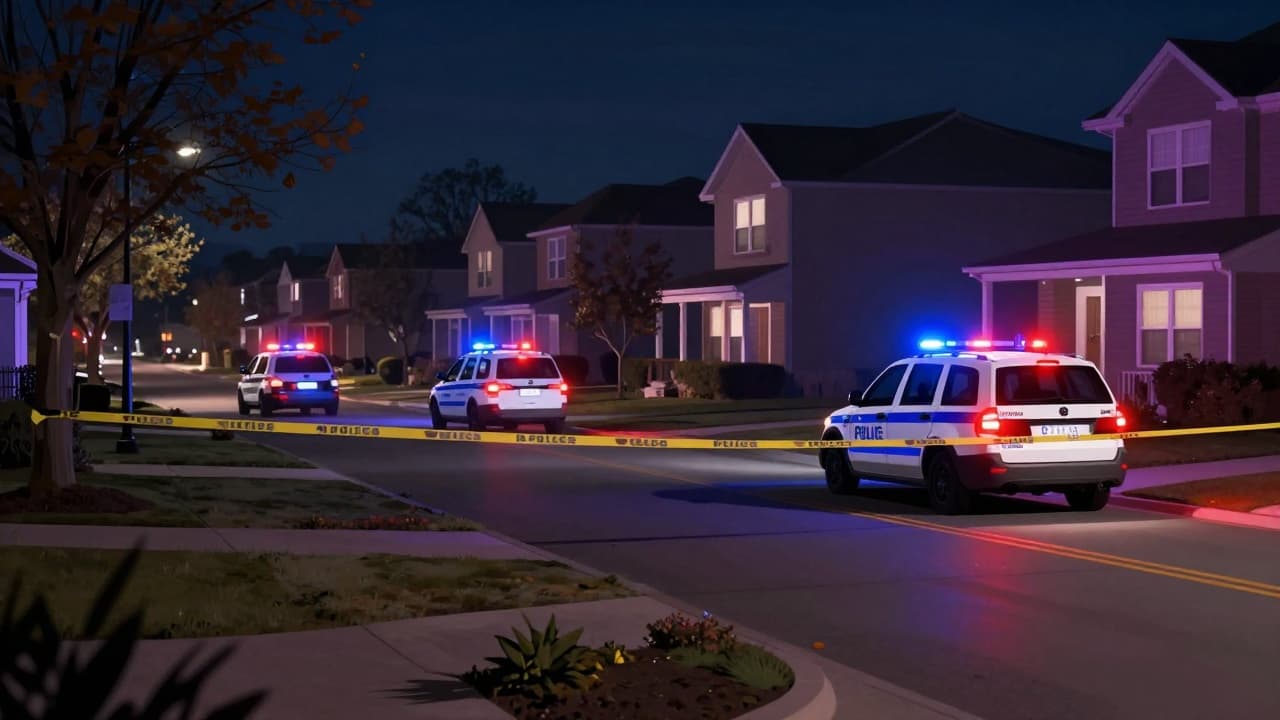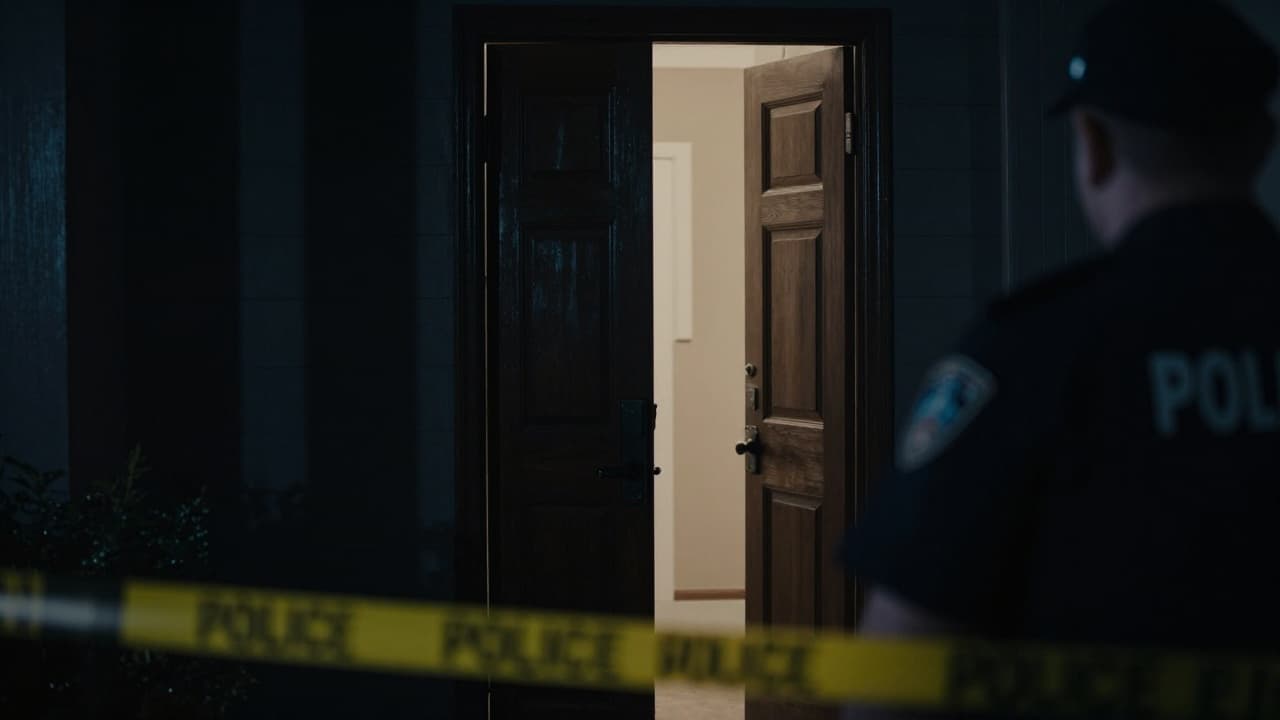
Former police officer Beau Lamarre-Condon, charged with the murder of Jesse Baird and his new partner Luke Davies, was driven by "wounded pride" after a breakup, which led him to a "much darker plan for revenge", lead prosecutor Brett Hatfield SC told the court. Lamarre-Condon is accused of killing Baird and Davies with a service police weapon at Baird's home in Paddington, Sydney, on 19 February 2024.
The accused has pleaded not guilty to two counts of murder and one count of aggravated break and enter. Hatfield began delivering the prosecution's closing address on Thursday, as the double murder trial entered its ninth week. The prosecutor said Lamarre-Condon was infatuated, obsessed and insecure about Baird from the early stages, after they began dating intermittently in late 2022.
Following their first breakup in April 2023, Hatfield claims, that obsession grew further. The prosecutor cited testimony from Lamarre-Condon's friends, who previously testified that the former officer told them he had watched Baird in sexual relations with other men, that he had broken into his home to access his phone, and that he had surveilled Baird's home from his mother's car.
"That is classic stalking, and the break-in is, again, very shocking behaviour for a police officer on duty – taking such a risk and doing such things because of, essentially, sexual jealousy", Hatfield said. The pair briefly resumed their relationship, but Baird ended it for the last time in November of that year. At that time, the prosecution claims, Lamarre-Condon "clearly ... wanted to harm Mr Baird".
Hatfield said Lamarre-Condon's "wounded pride fuelled a much darker plan for revenge, which ultimately led him to enter [Baird's home] with his police Glock, disguised as an Uber Eats delivery driver, on 19 February 2024". The defence has argued that the two men died in a confrontation with the accused while he was acting in "self-defence". Lamarre-Condon previously told the court that he aimed at Baird's shoulder to force him to drop a knife, and that he fired the second shot accidentally as they fell to the ground.
Hatfield said the injury from the first shot would have caused loss of consciousness. "Common sense makes it completely incredible that you could sustain such an injury and then immediately grab a pistol with your left hand and forcefully pull a person waving it to the ground", he said. He added that such a scenario was "utterly fanciful".
Hatfield argues that Lamarre-Condon could be convicted based solely on forensic and ballistic evidence. Forensic evidence regarding bullet trajectory and wounds on Baird's body, he said, indicates that Lamarre-Condon shot Baird in the back while he was fleeing towards the rear doors. The height of the bullet marks means Baird must have been bent or crouched at that moment, the prosecution notes.
Hatfield said that the near-vertical trajectory of the bullet through the floor spoke of a controlled shot through Baird's temple, calling it an "execution-style shot". The time between the two shots allowed for only two to three quick steps, the prosecutor said. "And not the bizarre wrestling and pulling described by the accused", he added.
At that point, according to the prosecution, Davies must have realised that something was "seriously wrong" and attempted to call 000. There is no doubt that Davies was then killed by a bullet that passed through the door and entered his head, Hatfield said, noting that gunpowder residue was found on the door, but not on the body.
Parts of the defence – that Baird attacked Lamarre-Condon with a knife and that Davies raised a pistol and pointed it at the accused – come only from the former police officer, Hatfield said. "Nothing independent of him supports any of what he said about those events", Hatfield told the jury. The trial before Judge Natalie Adams continues.