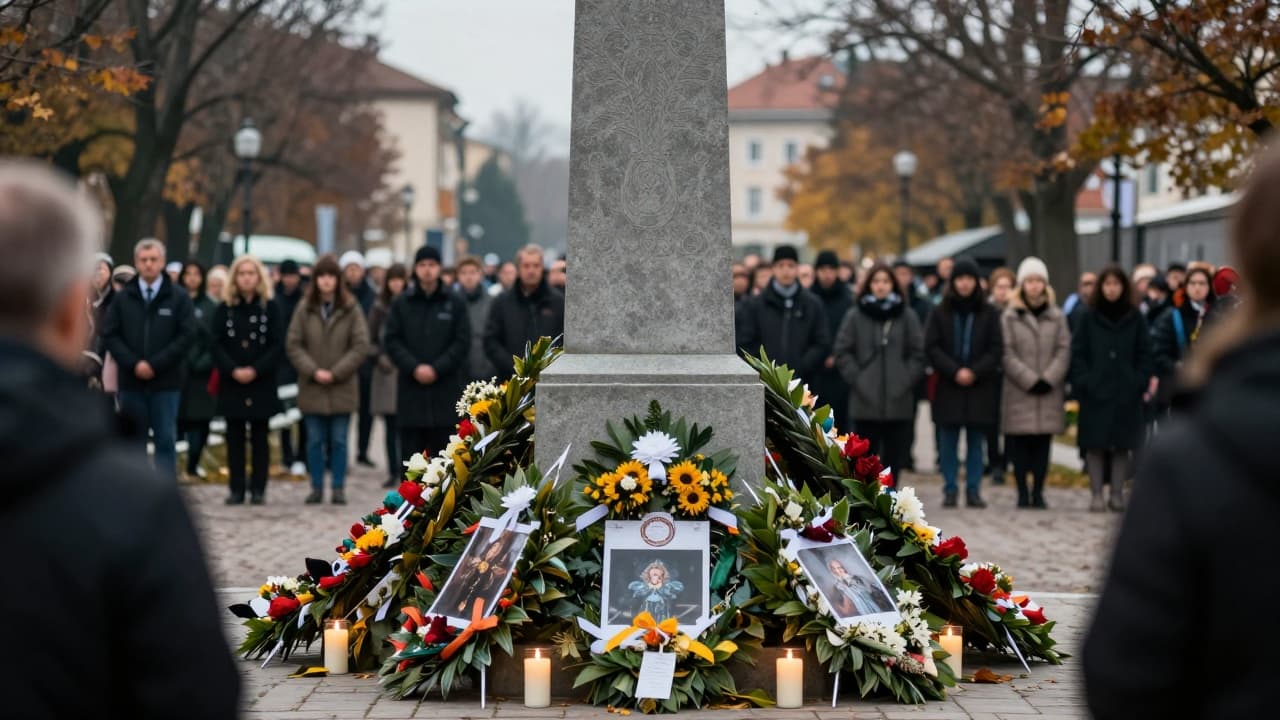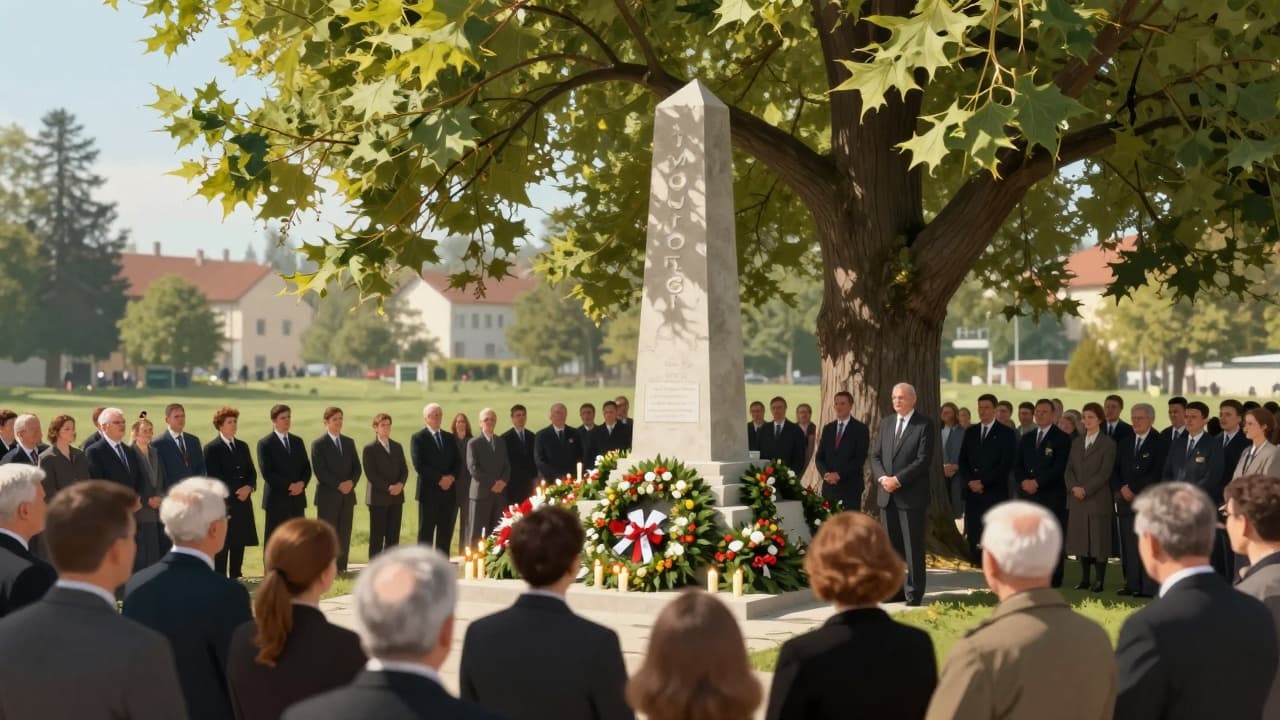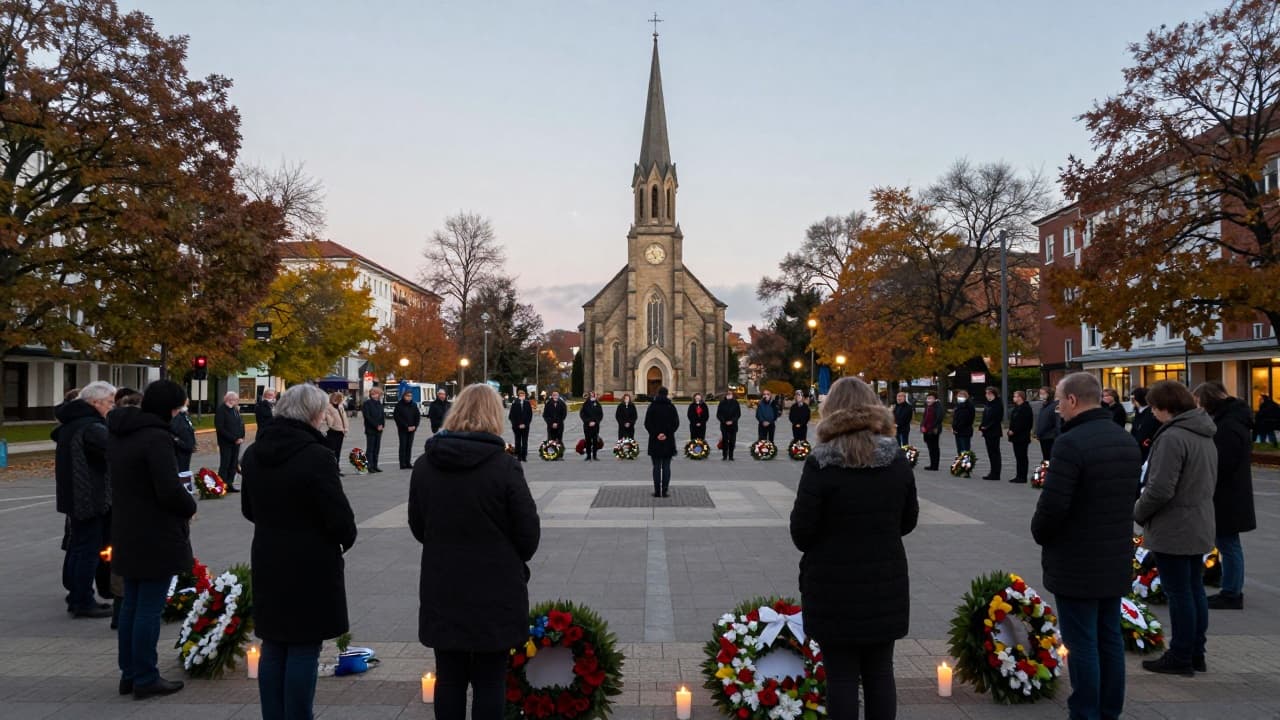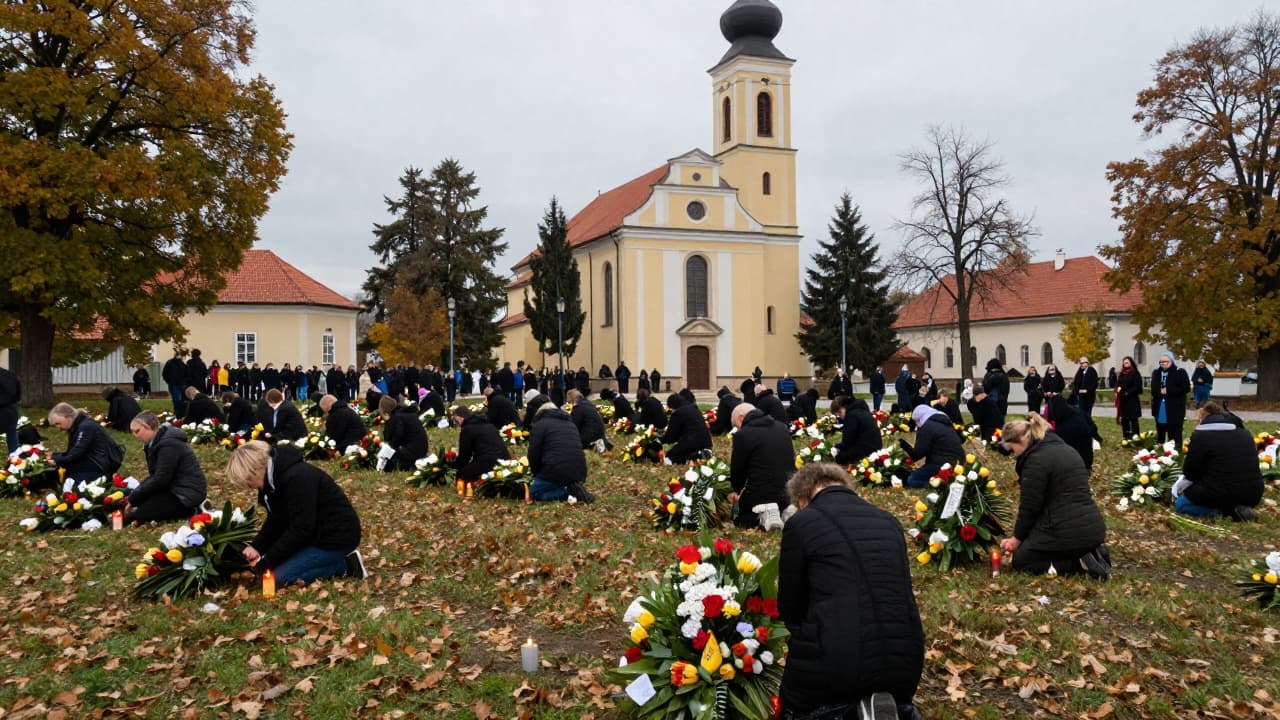
Škabrnja will mark the 35th anniversary of the deaths of civilians and defenders on 18 November. The attack on the location began early in the morning on 18 November 1991 from two directions, carried out by members of the former Yugoslav People's Army (JNA) and Serbian paramilitary units under the command of Ratko Mladić.
One column of tanks and armoured personnel carriers, accompanied by infantry trucks and supported by aircraft, arrived via Zemunik Gornji, while a second column came from the direction of Biljana Donja. The main strike and focus of the attack were on the western entrance to Škabrnja, near the hamlets of Ambar and Ražovljeva Glavica. The attack involved heavy tank and infantry forces of the JNA, Serbian paramilitary forces of the SAO Krajina, and volunteer groups from Serbia and Bosnia and Herzegovina. Paramilitary forces and JNA members reached the centre of the town and the Church of the Great Lady only in the late afternoon, driving captured defenders and civilians in front of the tanks as a human shield.
Civilians, predominantly women, children and elderly people, who had been hiding in cellars and other sheltered spaces, were forcibly dragged out, killed and massacred. Around 100 civilians, mostly women and children, were captured and taken to Benkovac. In the attack, 43 civilians and 15 Croatian defenders were killed and massacred. The location was defended by 246 Croatian defenders, members of the Independent Škabrnja Battalion, who failed to defend the village due to the vastly superior armed enemy forces.
After the end of the attack, Škabrnja was burned and completely destroyed, the church was demolished to the ground, and the entire area was mined. Civilians who had been spared were later handed over to the Croatian side in the location of Pristeg, while men were detained in Knin camps and later exchanged. In the following few months, at least 10 more civilians were killed in occupied Škabrnja, and several civilians died due to freezing and the lack of basic living conditions and medical care.
In total, Škabrnja had 56 civilian victims and 25 killed defenders in the Homeland War. After the war, six more residents died from residual mines and explosive devices, and 86 people were killed in Škabrnja before its liberation in the Military-Police Operation Storm in 1995.
To date, only two individuals have served sentences for crimes in Škabrnja, while other convicts have avoided serving their sentences because they were tried in absentia. Ratko Mladić, who was sentenced to life imprisonment by the Hague Tribunal for genocide and war crimes in Bosnia and Herzegovina, did not face charges for the crimes in Škabrnja. Former nurse Zorana Banić was convicted of crimes in Škabrnja for violating international law, specifically for participating in the attack and killing of the population on 18 November 1991, and was released from prison at the end of 2007 after serving her sentence. By a ruling of the County Court in Zadar, which became final in June 1998, 18 individuals were found guilty of war crimes in Škabrnja and sentenced to multi-year prison terms, while the indictment covered 26 accused. Among the convicted, only Jovan Badžoka was present, sentenced to 10 years in prison.
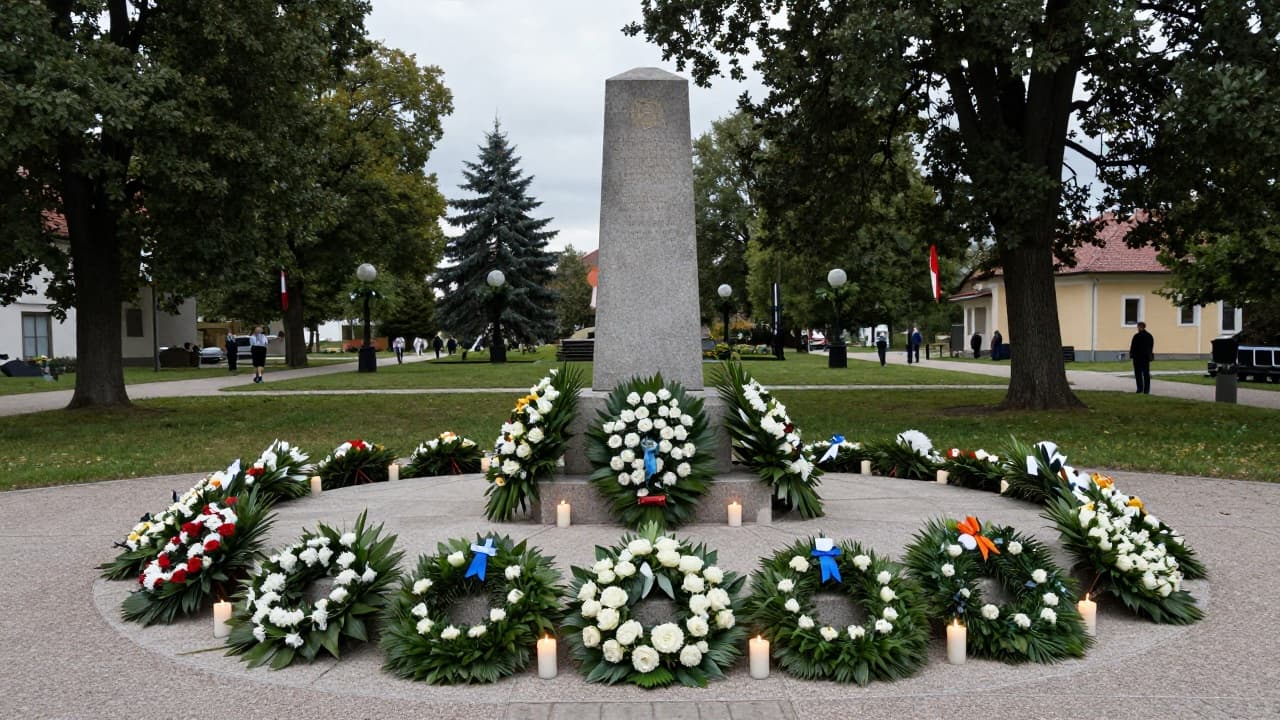
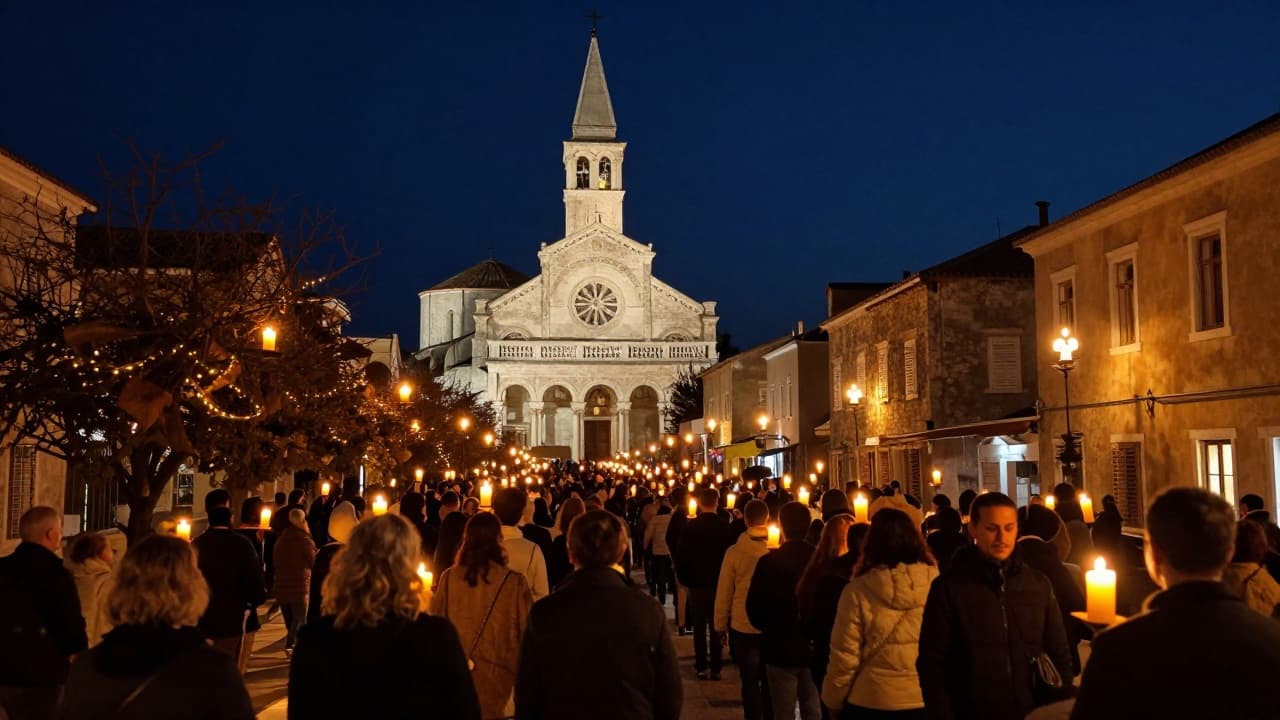
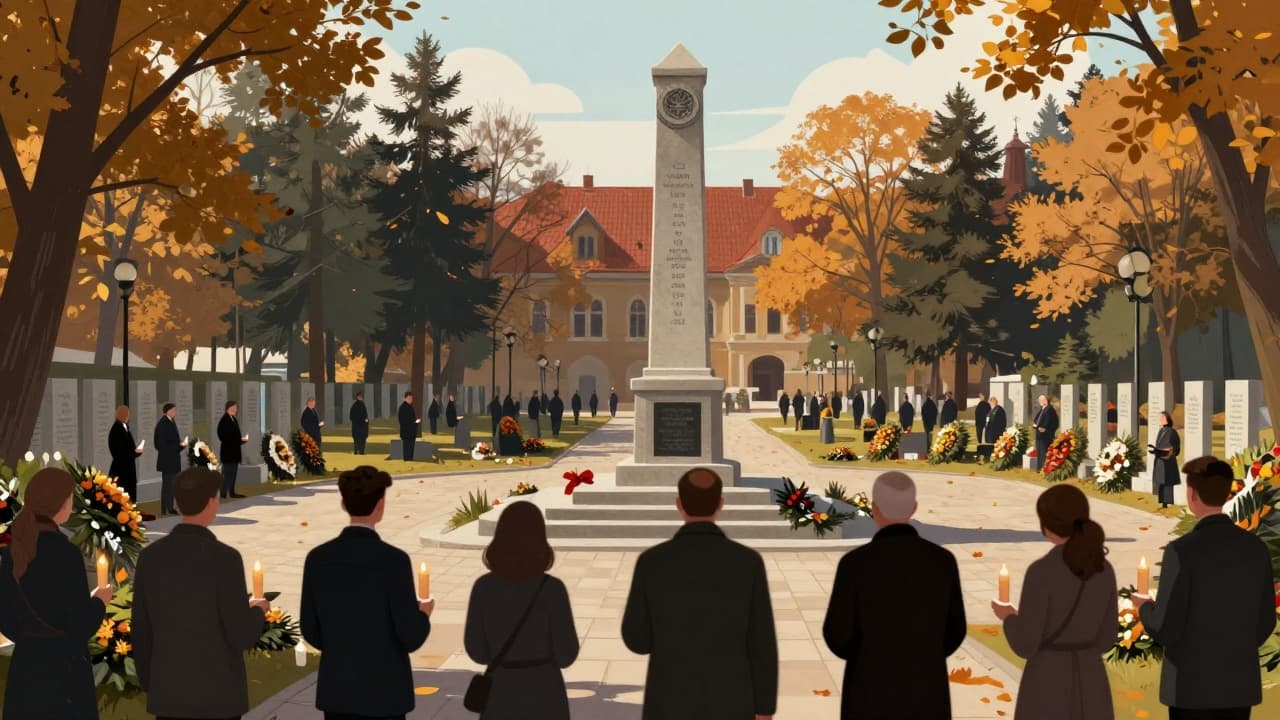
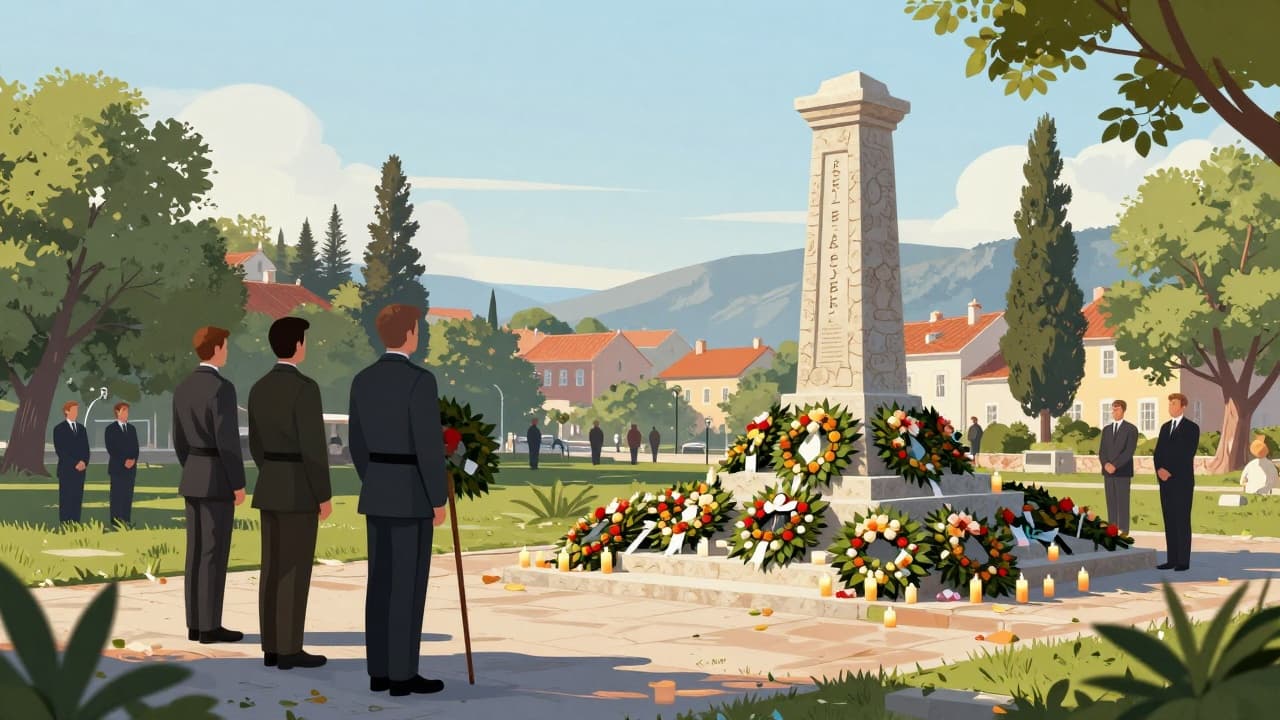
The delegation of the Government, led by Vice-Presidents of the Government and Ministers of the Sea, Transport and Infrastructure Oleg Butković and of Finance Tomislav Ćorić, will participate in the marking of the 35th anniversary of the Škabrnja tragedy. On behalf of President of the Republic Zoran Milanović, Orsat Miljenić, Head of the President's Office, will attend. The central programme of the commemoration will begin at 09:45 with a commemorative programme at Ambar, followed by the Column of Remembrance – Walk to the Memorial of the Mass Grave and the laying of wreaths, and a Holy Mass in the Church of the Assumption of the Blessed Virgin Mary for all victims of the Homeland War. The commemoration will conclude at 13:00 with the "Step by Step" walk to the Memorial at the local cemetery of St Luke.