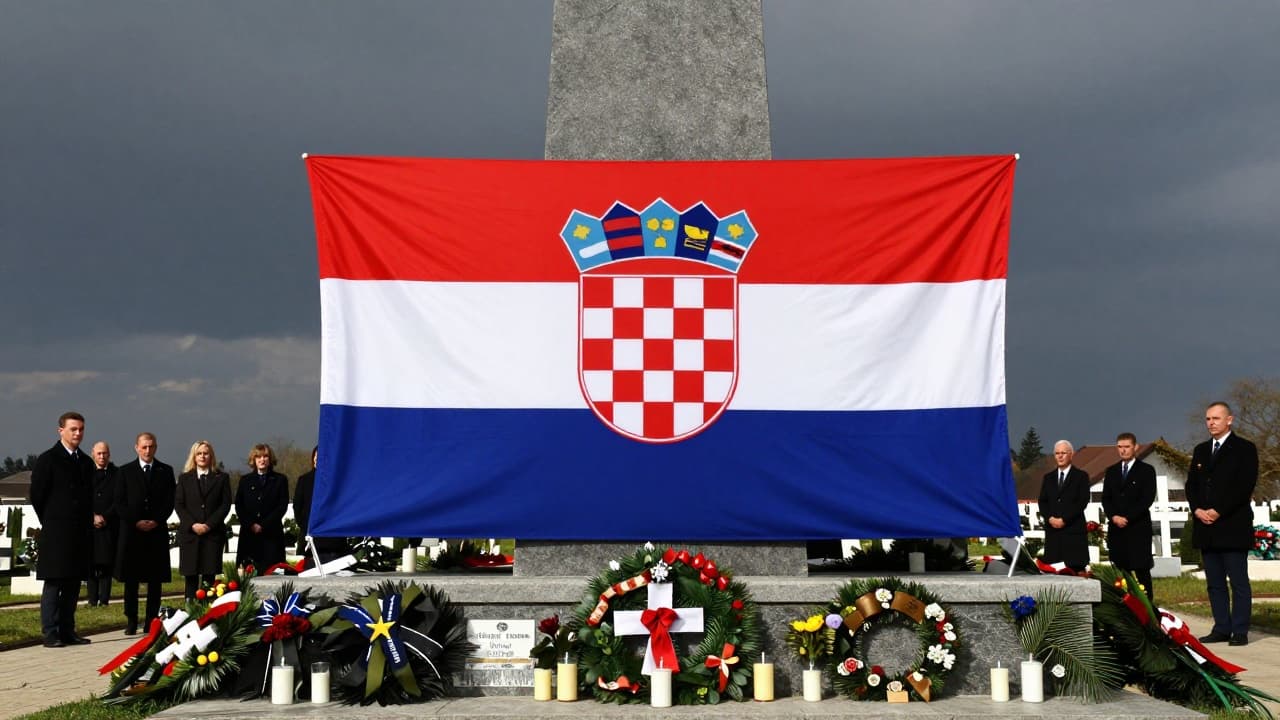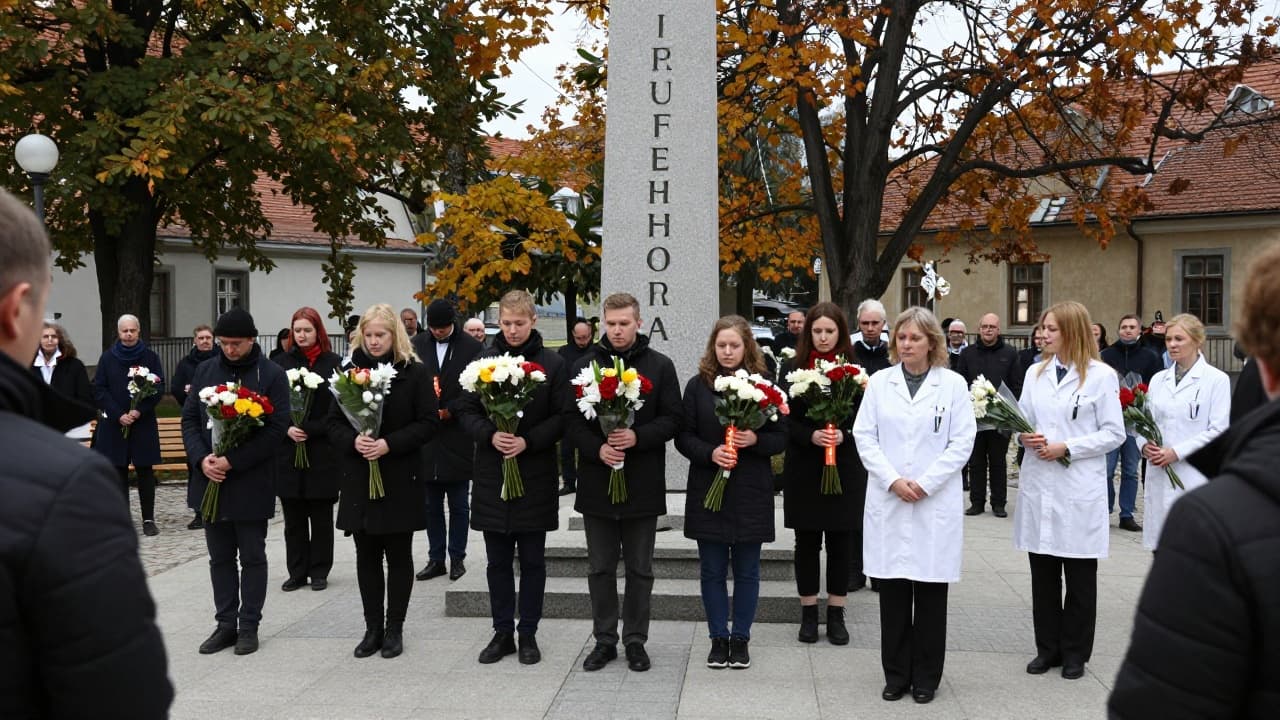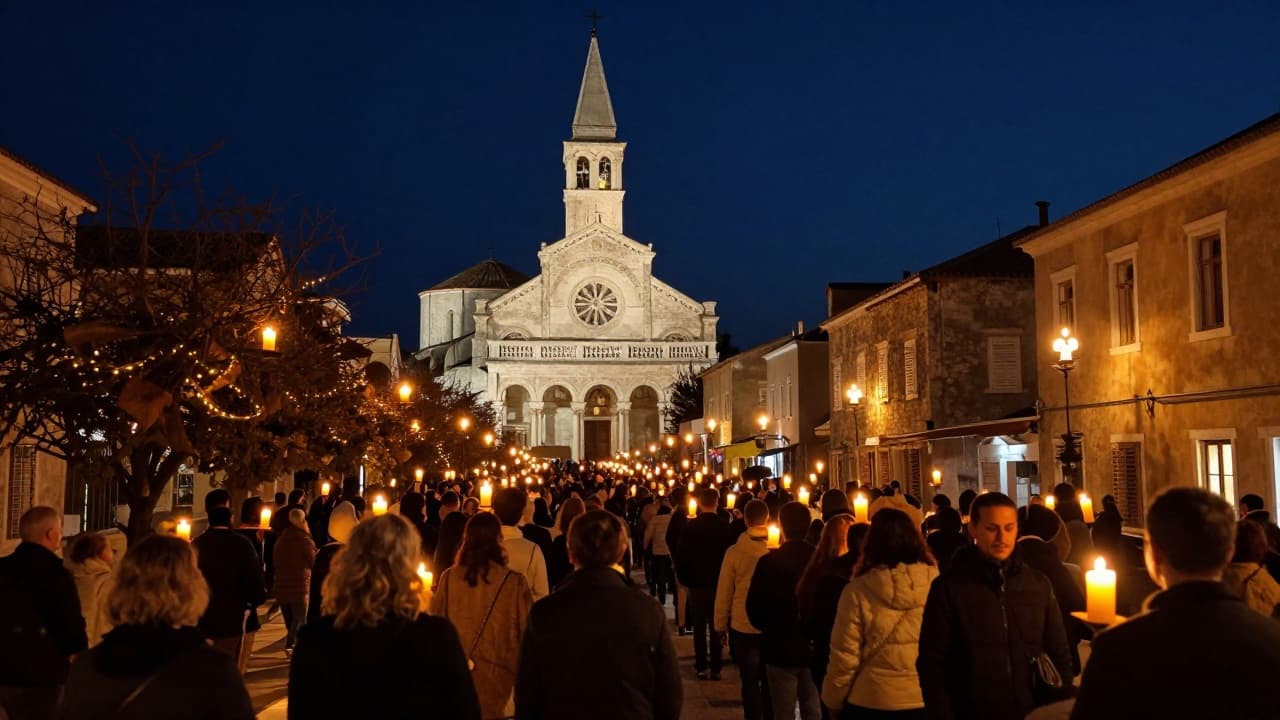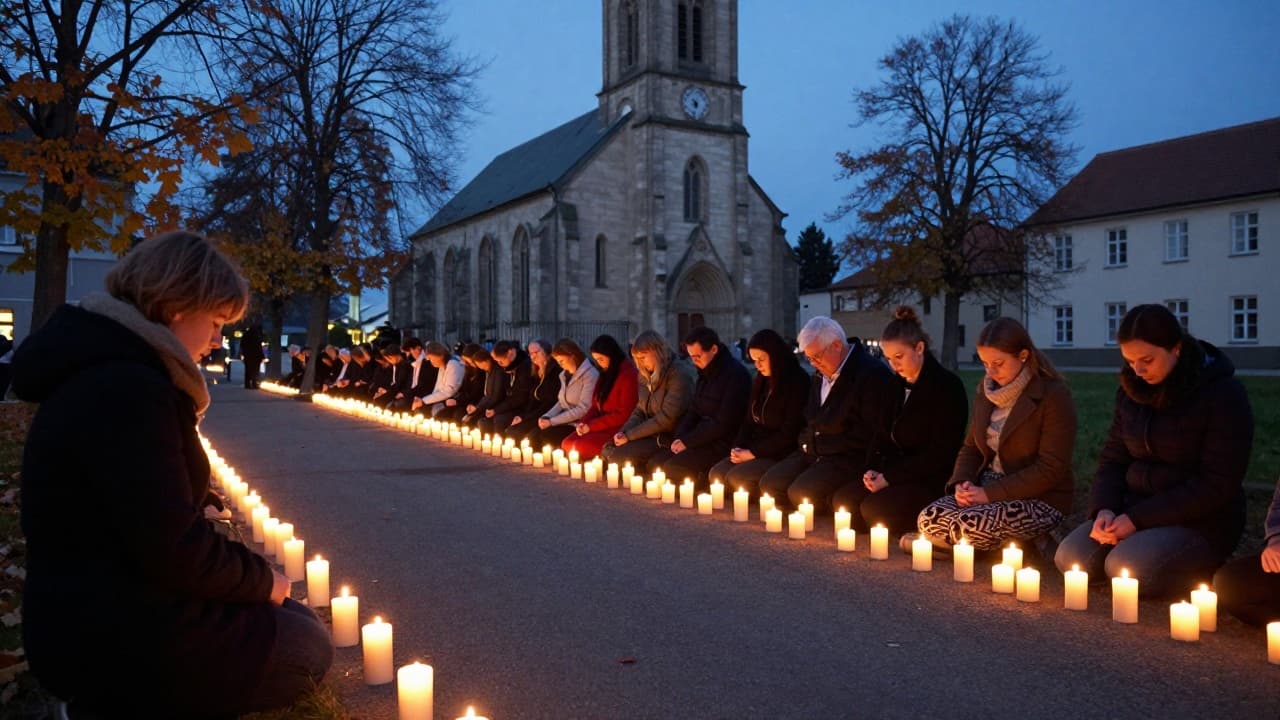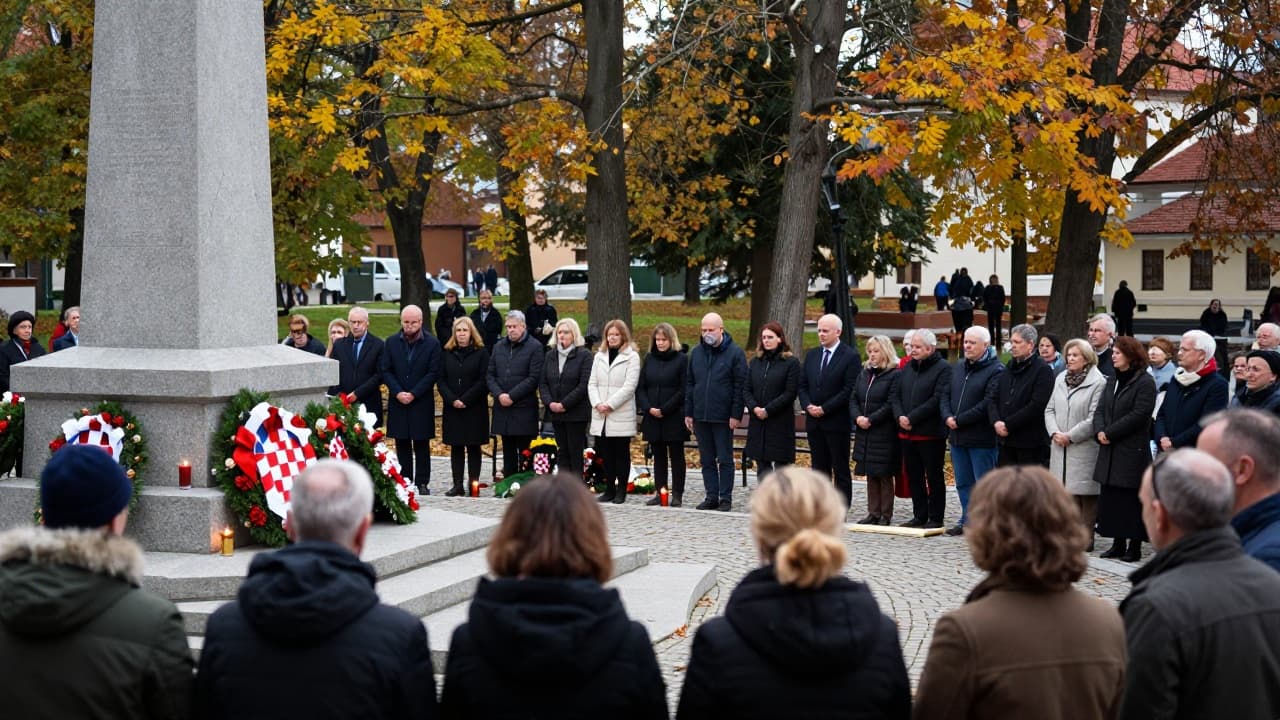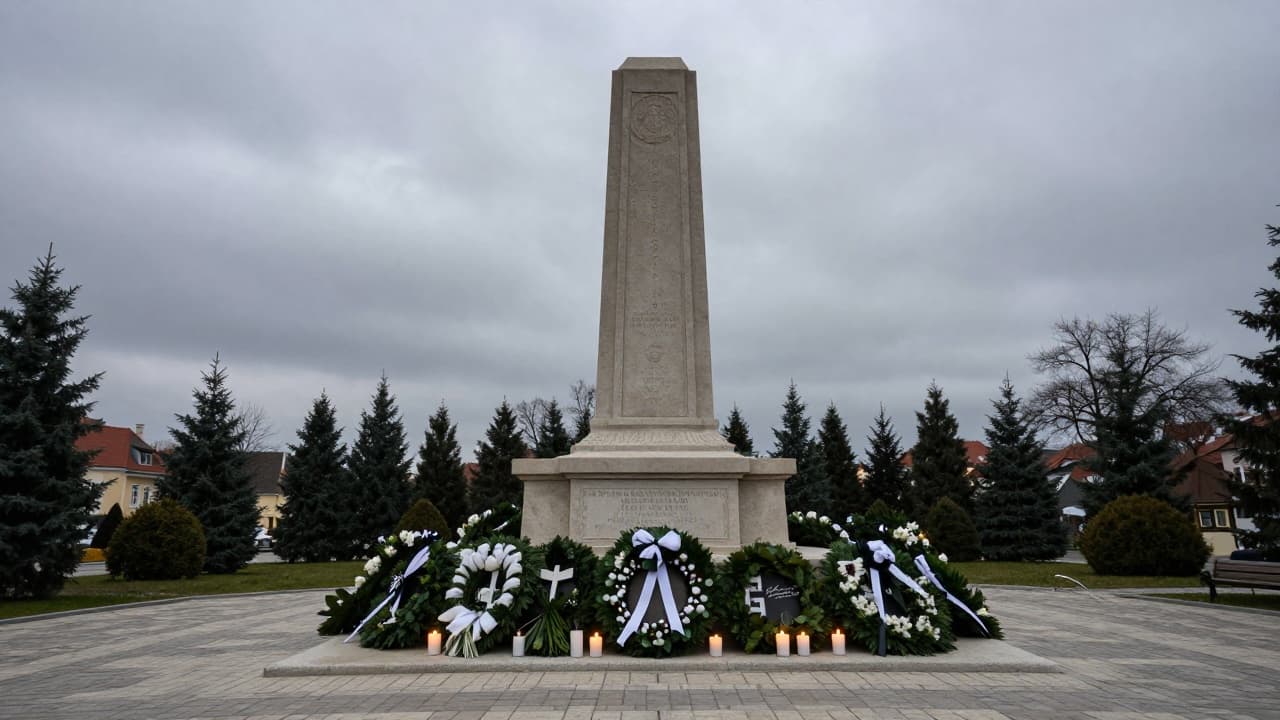
Vukovar and its residents will mark the memory of the greatest tragedy to befall the city in its long history on Wednesday. The central commemorative gathering, titled “Courage, Sacrifice, Freedom”, will be held in the courtyard of the Vukovar National Memorial Hospital “Dr. Juraj Njavro”, marking the 35th anniversary of Vukovar’s suffering in the Homeland War.
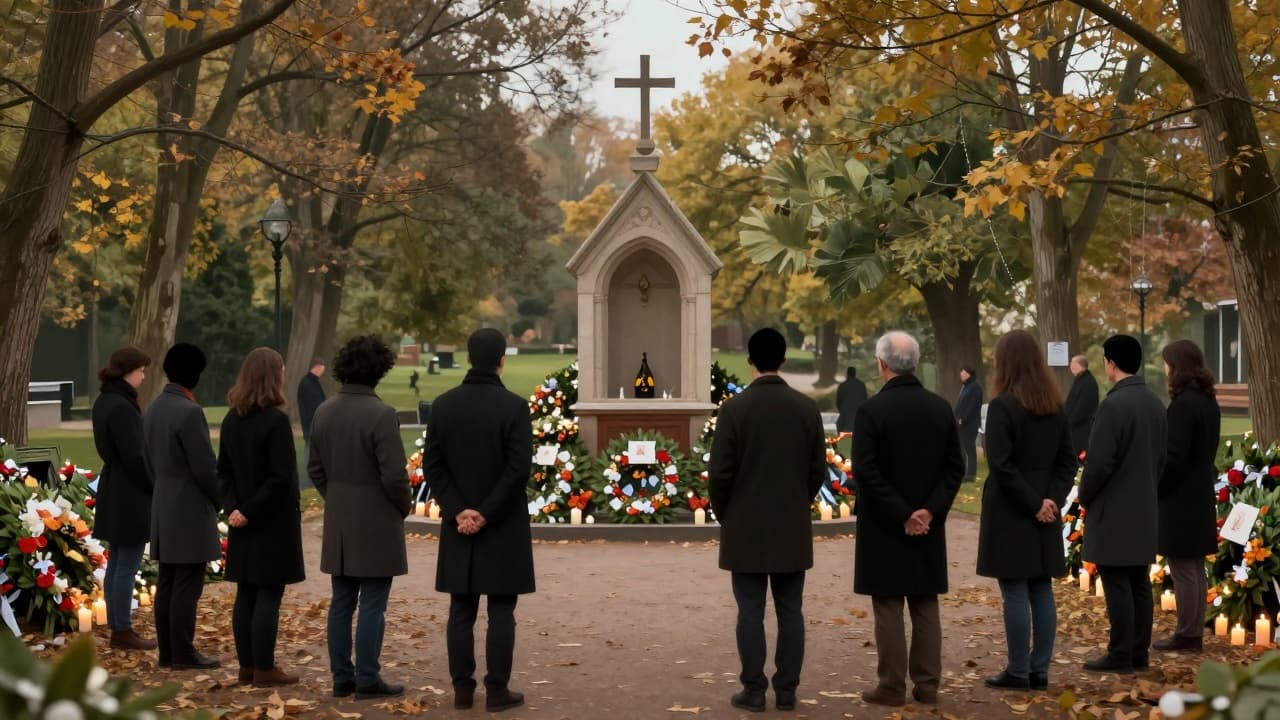
Participants in the commemoration, led by Croatian defenders of Vukovar and staff of the Vukovar war hospital, will march in a column of remembrance from the hospital to the Memorial Cemetery of Victims of the Homeland War, where state and other delegations will lay wreaths and light candles. The entire state leadership will be present in Vukovar, including President of the Republic Zoran Milanović, and the presidents of the Croatian Parliament and the Government, Gordan Jandroković and Andrej Plenković. The memorial Mass at the cemetery will be led by the Archbishop of Bosnia and Metropolitan Monsignor Tomo Vukšić. According to expectations from Vukovar city authorities, at least 100,000 patriots from Croatia and Bosnia and Herzegovina will attend the commemorative events.
The city was under siege for 87 days, with 25 August 1991 usually cited as the start date of the Battle of Vukovar, when the Yugoslav People’s Army (JNA) and Serbian paramilitary units launched a tank and infantry attack on the city. The aggressor, with 30,000 soldiers and paramilitary groups, along with approximately 1,600 armoured combat vehicles, 60 aircraft, 350 guns and a multitude of other military equipment, advanced on Vukovar. A general attack on the city began at the end of August, and for a full three months, Croatian defenders withstood day and night attacks aimed at capturing Vukovar. Approximately 1,800 members of the Territorial Defence and police, along with volunteers of the Croatian Army (HOS), organised into the legendary 204th Vukovar Brigade, defended the city. More than 15,000 civilians were located in the city.
On 18 November 1991, after a three-month siege by Serbian paramilitary units and the Yugoslav army, Croatian defenders and civilians were forced to withdraw from the city. After the fall of the Vukovar suburb of Lužac on 2 November, the defenders of Vukovar and the city district of Borovo Naselje were separated. On 10 November, with the fall of the nearby Bogdanovci, it became clear to all that it was only a matter of time before the city on the Danube could no longer be defended. A humanitarian convoy from Doctors Without Borders managed to enter the besieged city on 19 October 1991, saving around 100 wounded defenders from the Vukovar hospital. Some defenders attempted to escape the city through minefields, and those who failed were taken to Serbian concentration camps, where many were killed. Among the dead were 260 wounded patients from the Vukovar hospital.
During the three-month siege, according to data from the Franciscan Monastery in Vukovar, at least 2,717 Croatian defenders and civilians were killed or died, more than 22,000 Vukovar residents were driven into exile, and several thousand defenders and civilians passed through Serbian camps. According to data from the Croatian Sanitary Headquarters, 450 defenders and 1,350 civilians were killed, including 86 children. 858 children were left without one or both parents, more than 2,500 people were wounded, and many were detained and taken to one of the camps. The destroyed city and its citizens found themselves under occupation, which lasted until 15 January 1998 and the peaceful reintegration of the Croatian Danube region, when the occupied parts were returned to the constitutional and legal order of Croatia. During and after the process of peaceful reintegration, more than 50 mass graves were discovered in the city and its surroundings, from which numerous remains were exhumed.
Croatia is still searching for 1,725 missing and fatally injured persons in the Homeland War, among whom are 320 individuals whose disappearance and suffering are linked to the city of Vukovar. On Thursday, 19 November, Vukovar residents will remember the suffering of the city district of Borovo Naselje, and on Friday, 20 November, pay tribute to the victims killed at Velepromet and Ovčara.