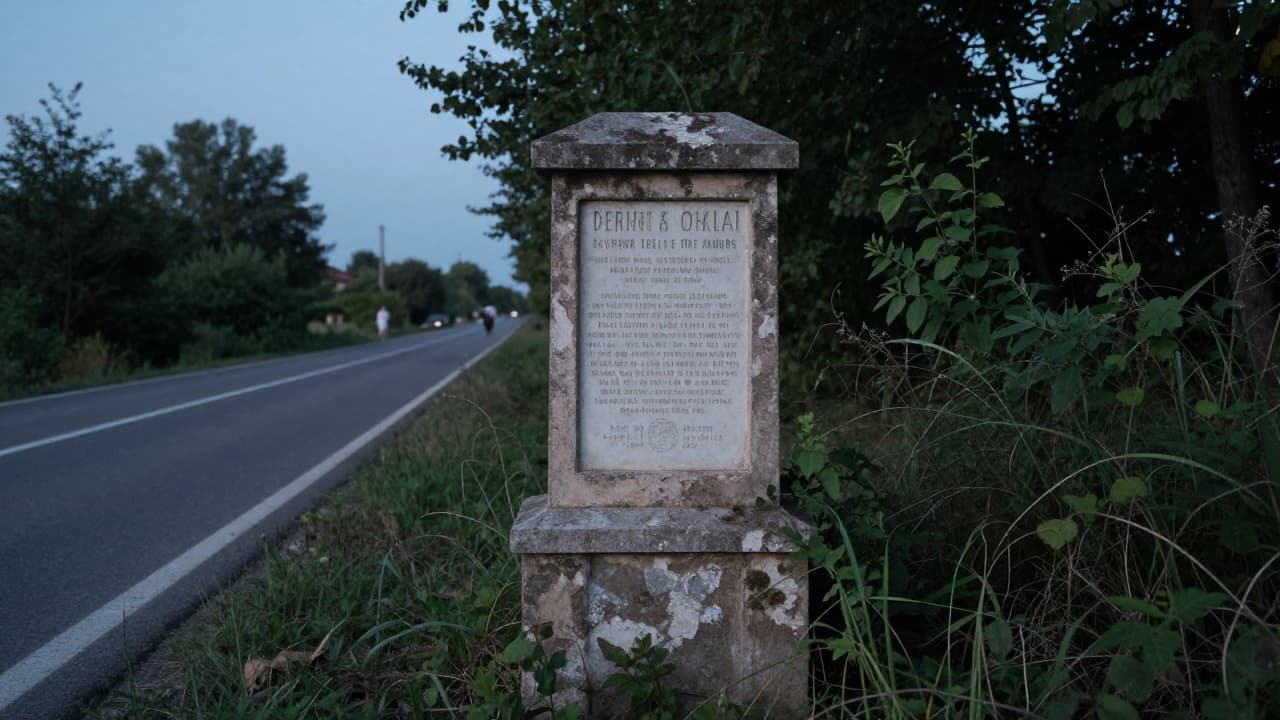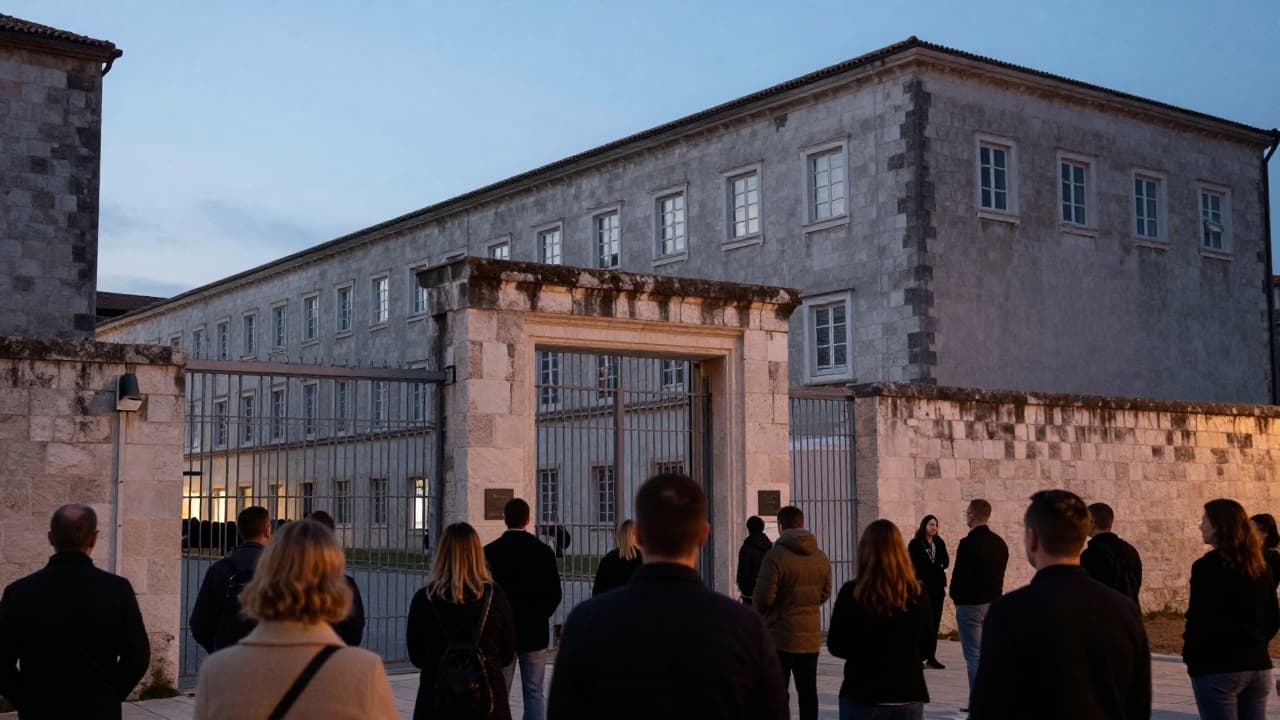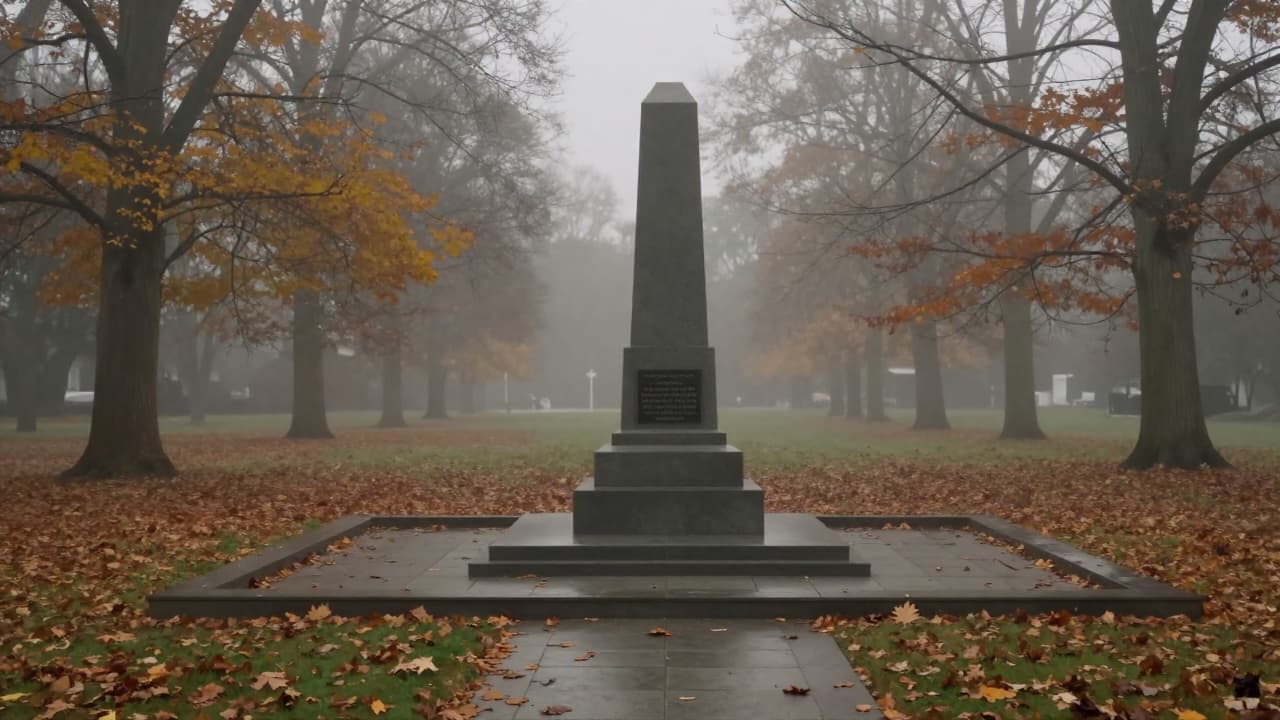
In Gornji Vidovec, at the Golubic memorial, wreaths were laid and candles lit on Wednesday, 30 September, in commemoration of the 35th anniversary of the expulsion of the Croatian population from the area of Glina. Those present recalled the difficult war days, the suffering of civilians and veterans, and all those who lost their lives, homes, and loved ones during the Homeland War.
The president of the HDZ in Glina, Marin Kaurić, recalled the sequence of events that led to the mass expulsion of the local population. "Following the attack on the Police Station in Glina in June, the battle and occupation of the town in July, and the fall of Gornji Vidovec on 30 September, followed by the occupation of the remaining villages between Glina and the Kupa, a new wave of expulsion occurred," said Kaurić. He added that 396 Croatian veterans and civilians had been recorded as killed in the Glina area, among them more than 70 Croatian veterans.
The mayor of Glina, Ivan Janković, stated that the grief of families who have lost their loved ones does not diminish even after three decades. "It is hard to imagine if there are still tears to be shed for those who are no longer with us. But the families, especially the families of those we are remembering today, have not finished crying. Their tears do not dry up," said Janković. He emphasised that remembrance of the victims must be the foundation for building a better future. "Their sacrifice must serve as an example. We must gather every year, speak about it, but we must also work every day for the good of our town, our county, and our country," he said.
The former commander of the defence of Viduševac, Marko Sreć, recalled the beginning of the attack on that area and the people who shared the most difficult wartime moments with him. "Thirty-five years. I look at the faces that were here at that time, at that very moment, because the attack began at nine o'clock. Aircraft, VBRs, howitzers, tanks, infantry, and the rest," said Sreć. He warned of the discovery of new mass graves and noted that many missing persons are still being searched for. "This is the tenth Golubic [memorial] in the Glina area and the tenth mass grave discovered so far, while 58 people are still missing," he said. He addressed the young, telling them that it is important to preserve the truth about the Homeland War. "We are here precisely so that it is not forgotten. And we will be here as long as we are alive, but I believe that you will continue [the work]."
The state secretary in the Ministry of Croatian Veterans, Zlatko Bačić, delivered a message to the families still searching for their loved ones. "To the families of the missing, as well as to all the families of the fallen and the deceased, I express my condolences, and to the families of the missing, I promise that the Government of the Republic of Croatia will not cease in its search for their loved ones," said Bačić. He recalled his own wartime experience and the experience of living in exile. "As a child, or rather at the age of 22, I went through the war and the camp. We have here Đuro Cimer, who was with me in the camp. My family was exiled and at sea, in a hotel. So after coming out of the camp, I empathise with you and know how hard it is to be far from home, to be away from one's own, and to hope and wish for when one will return to one's home."
The county president of the Sisak-Moslavina County, Ivan Celjak, stated that the remembrance of the Homeland War is deeply rooted in the hearts of the Croatian people. "Respect for Croatian veterans, for the fallen Croatian veterans and civilians, is either felt or not felt. Patriotism is either felt or not felt. We feel it," said Celjak. He concluded that passing on the truth about the Homeland War to younger generations is important for the preservation of memory and the future of the state. "As long as there are generations of young people whose fathers built our country, as long as there are our children and our grandchildren, there will be our homeland, Croatia," he said.