The Montenegrin government has adopted decisions to change the name of the municipal pool in Kotor and to approve a memorial plaque for Croatian detainees in Morinj. The decisions were reportedly made under pressure from the Croatian prime minister.
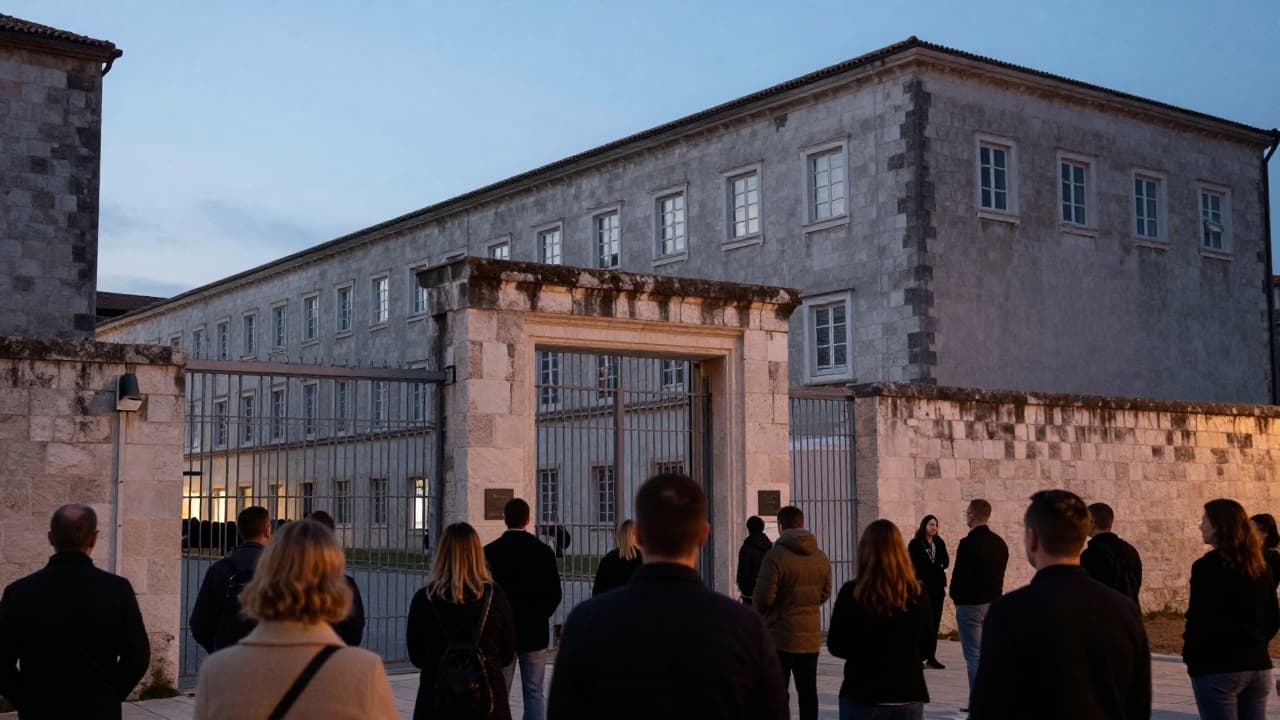
Milojko Spajić's government adopted the decisions on 19 October, without holding a session, based on the consent of a majority of ministers. They were published in the Official Gazette of Montenegro on the same day and entered into force. The pool in Kotor is now officially named "Municipal Pool – Petar II Petrović Njegoš", removing the name of Zoran Džimija Gopčević, a former guard at the Morinj camp. Croatia has warned for years that it is unacceptable for a public sports facility to bear the name of a person linked to the abuse of detainees. Croatian civilians and prisoners of war were detained and abused at the Morinj camp during the war.
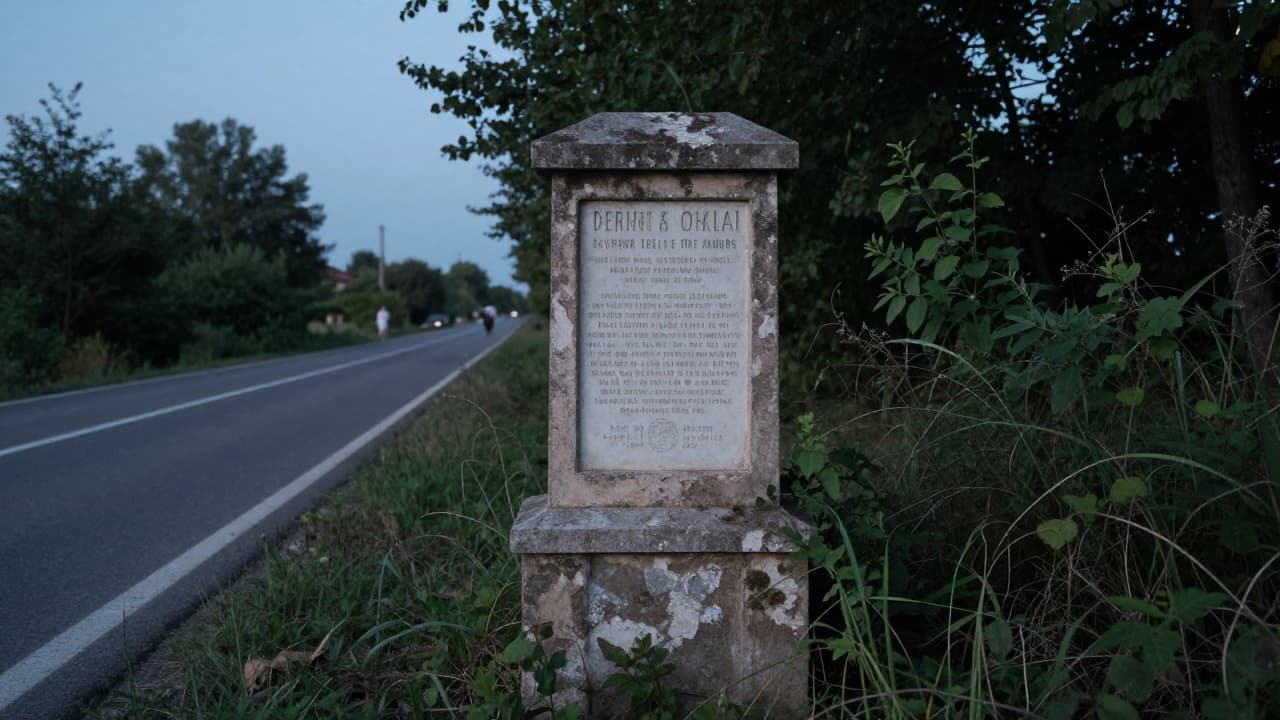
The legal status of the memorial plaque in Morinj, unveiled on 10 October 2022 by Croatian and Montenegrin ministers, has also been resolved. The Montenegrin government subsequently approved the plaque in its existing form, with the inscription and dimensions unchanged, and explicitly decided that it would remain at its current location. The competent culture body will subsequently determine who will be responsible for maintaining the memorial plaque. The government determined that there is a special public interest in the subsequent approval of the memorial plaque, and that this interest is directly linked to Montenegro's accession to the European Union.
The legal path for both decisions was opened last week, when the Montenegrin Assembly amended the Law on Sport and the Law on Memorial Markers. The amendment to the Law on Sport enabled the change of names of sports facilities. The amendment to the Law on Memorial Markers enabled the subsequent approval of already installed memorial markers for which the prescribed procedure had not been carried out.
These are two demands that Croatia explicitly stated and explained in a recent document on its position, sent to EU partners. Both demands are linked to negotiation chapter 23, Justice and Fundamental Rights, specifically regarding the rights of victims, reconciliation and the rejection of the glorification of war crimes. Zagreb had specifically warned about the possibility of the Morinj memorial plaque being obscured.
The decisions are a direct consequence of pressure from Croatian Prime Minister Andrej Plenković at the European Council regarding Montenegro's European path. Podgorica made concrete progress in resolving two of the eight open issues on which Croatia has insisted for years in the accession process in a single day. Croatia seeks a comprehensive solution for compensation for more than 300 of its citizens who were detained at the Morinj camp from October 1991 to August 1992.