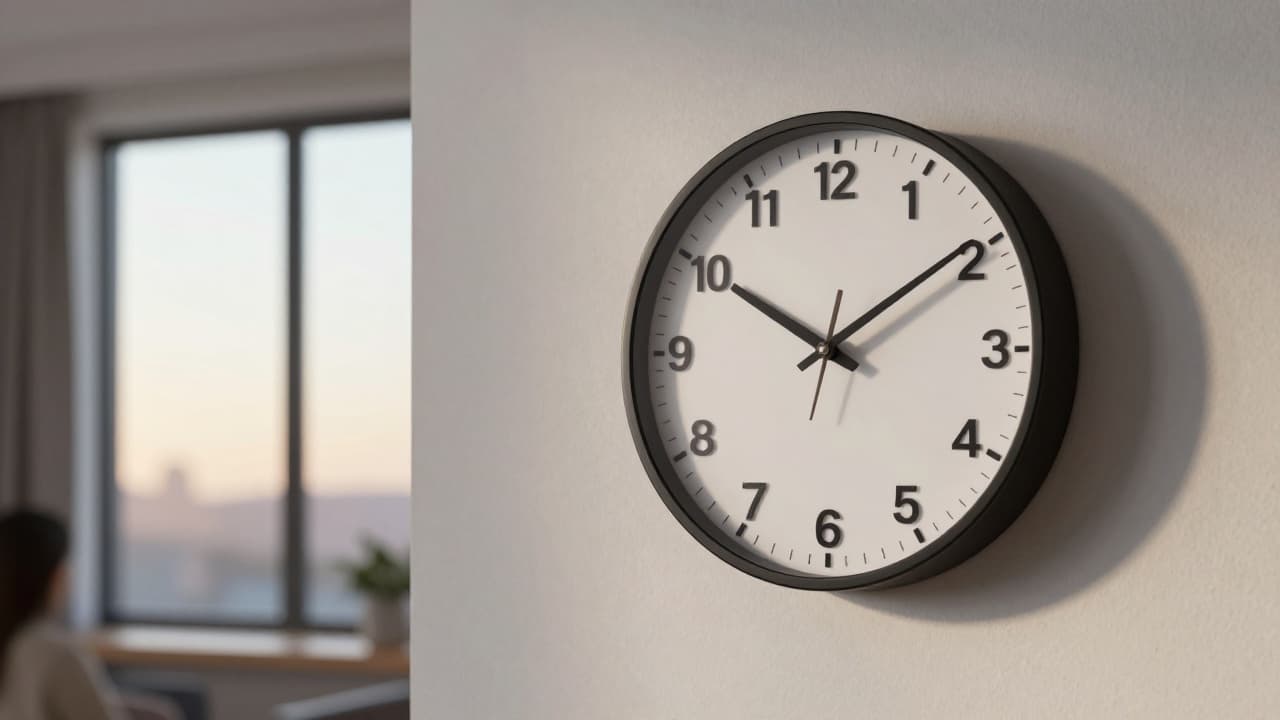
This weekend, we switch back to winter time. In the night from Saturday to Sunday, 25 October 2026, summer time officially ends, and we will move the clocks back by one hour.
The change takes place at 3am, when the time reverts to 2am. That night, we will have an extra hour for sleep, and this change will bring an hour of longer sleep on Sunday. This is the earliest possible calendar date for this year's autumn transition.
Most modern devices, such as smartphones, computers and digital systems connected to the internet, will make the change automatically. Citizens will need to manually adjust classic wall clocks, older wristwatches and analogue time displays in cars. Drivers are reminded of legal obligations in traffic regarding the mandatory use of daytime or short-beam lights while driving during the day, depending on specific provisions of the Road Traffic Safety Act for the winter period.
After the switch to winter time, the sun will rise earlier but also set earlier. There will be less daylight in the afternoon and evening, and the period that follows marks the beginning of the part of the year when days become visibly shorter, and darkness will fall significantly earlier in the afternoon.
In the European Union, clocks are still moved twice a year. The switch to summer time takes place on the last Sunday in March, and to winter time on the last Sunday in October. The European Commission proposed the complete abolition of the semi-annual clock change several years ago, but member states have not yet reached a final agreement on whether to permanently retain summer or standard (winter) time. Due to the lack of consensus, this system remains in force until further notice, and a final decision on abolishing the seasonal clock change at the European Union level has not yet been made.
Winter time will last for the next five months, until 28 March 2027, when we will again expect the transition to summer time.