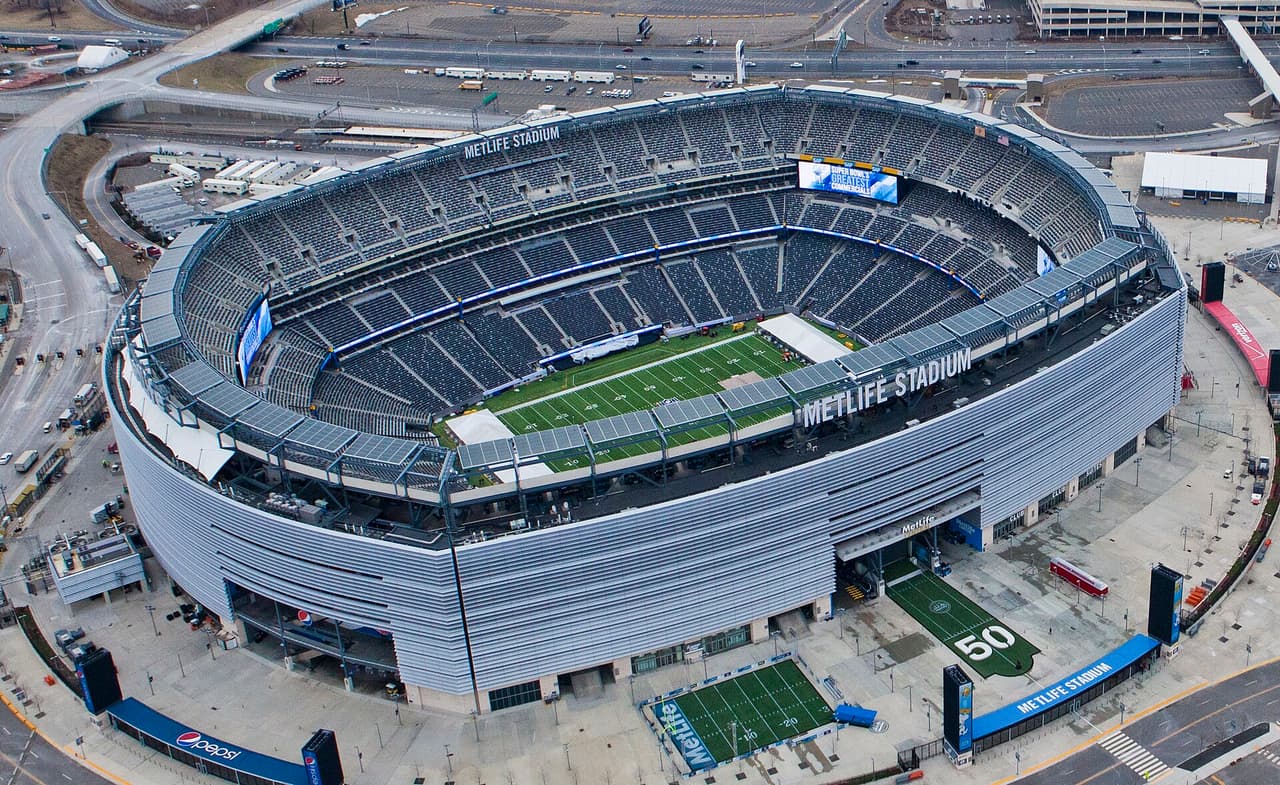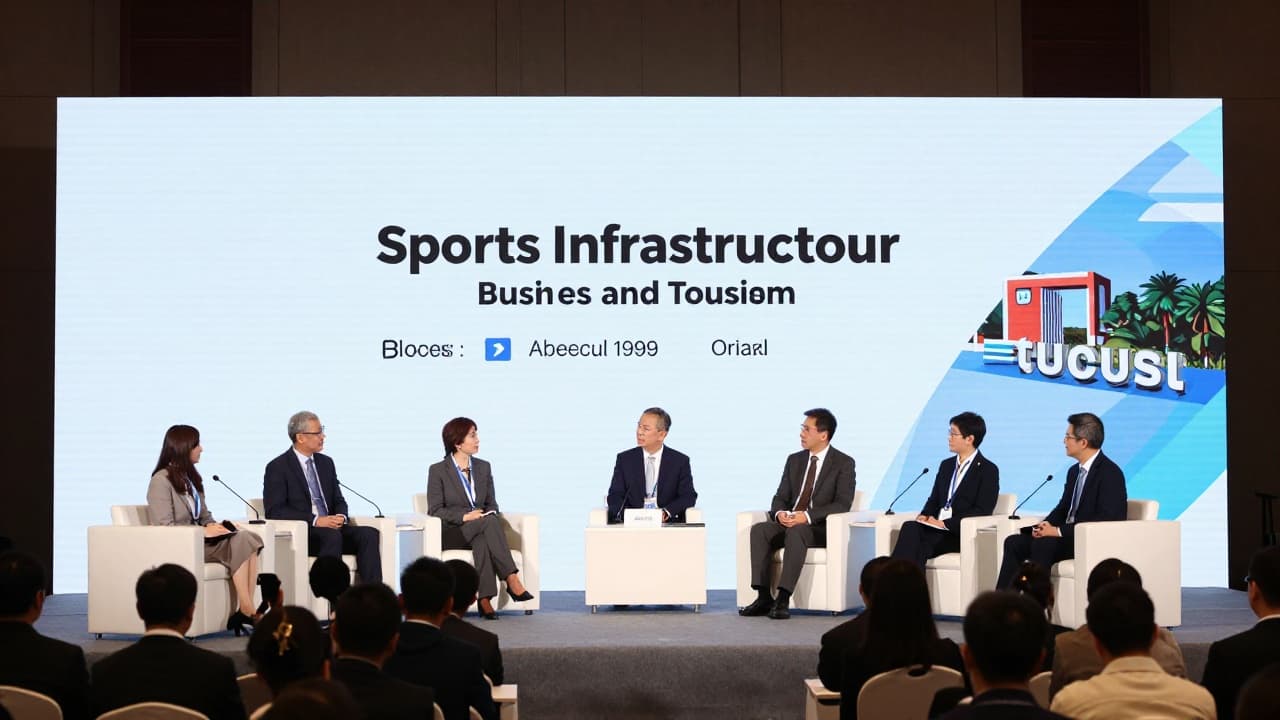
The second panel of the conference titled 'Playing for the Long Run: Sports Infrastructure between Excellence and Profitability' focused on the theme 'Sports infrastructure, tourism and business'. The central question of the discussion was how to transform sports facilities from mere public investments into sustainable business and development projects. Participants analysed in detail the key challenges related to maintenance, daily use, and long-term financing of sports facilities in contemporary conditions.
The discussion covered examples of good practice and highlighted the role of sports infrastructure in the broader context of the development of sport, tourism, and tourist destinations. The aim was to show how well-equipped facilities can become drivers of the local economy and attract international events. Experts emphasised the need for synergy between sporting needs and the region's tourism potential.
The panel discussion included Poreč mayor Loris Peršurić, who brought the perspective of local self-government. Alongside him, the panel comprised Boris Malinarić, sales director at Uniline, and Mirjana Čagalj, advisor to the president of the Croatian Olympic Committee (Hrvatski olimpijski odbor) for sports infrastructure. Their contributions covered the business and institutional aspects of managing sports centres.
Special contributions were made by Feliks Lukas, founder and director of Time Tennis International and director of the WTA tournaments in Makarska and Dubrovnik, and Renco Posinković, Olympic gold medallist, water polo coach, and long-time manager of the Spaladium Arena. Their experience in organising major competitions and managing arenas was key to understanding operational challenges.
The panel was preceded by an introductory speech by Siniša Topalović, chairman of the board of Horwath HTL Croatia and global director of turist. His lecture laid the foundations for further discussion on the economic viability and strategic planning in the sports infrastructure sector.