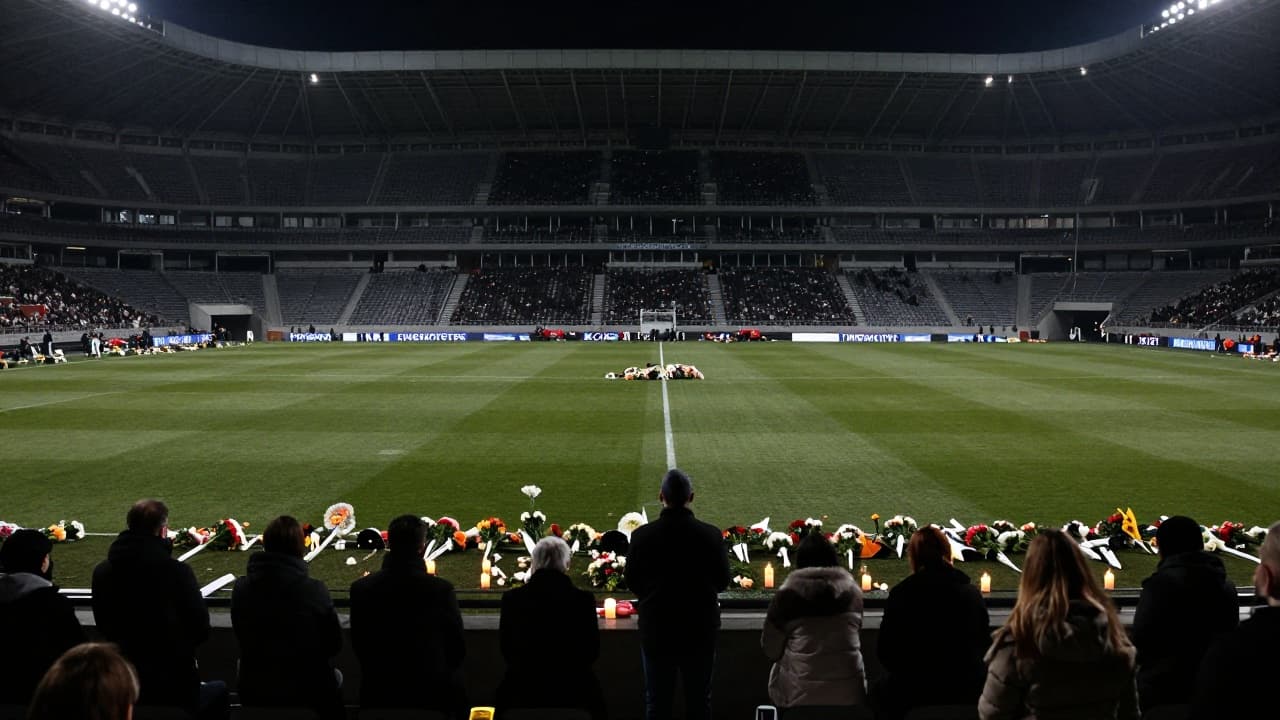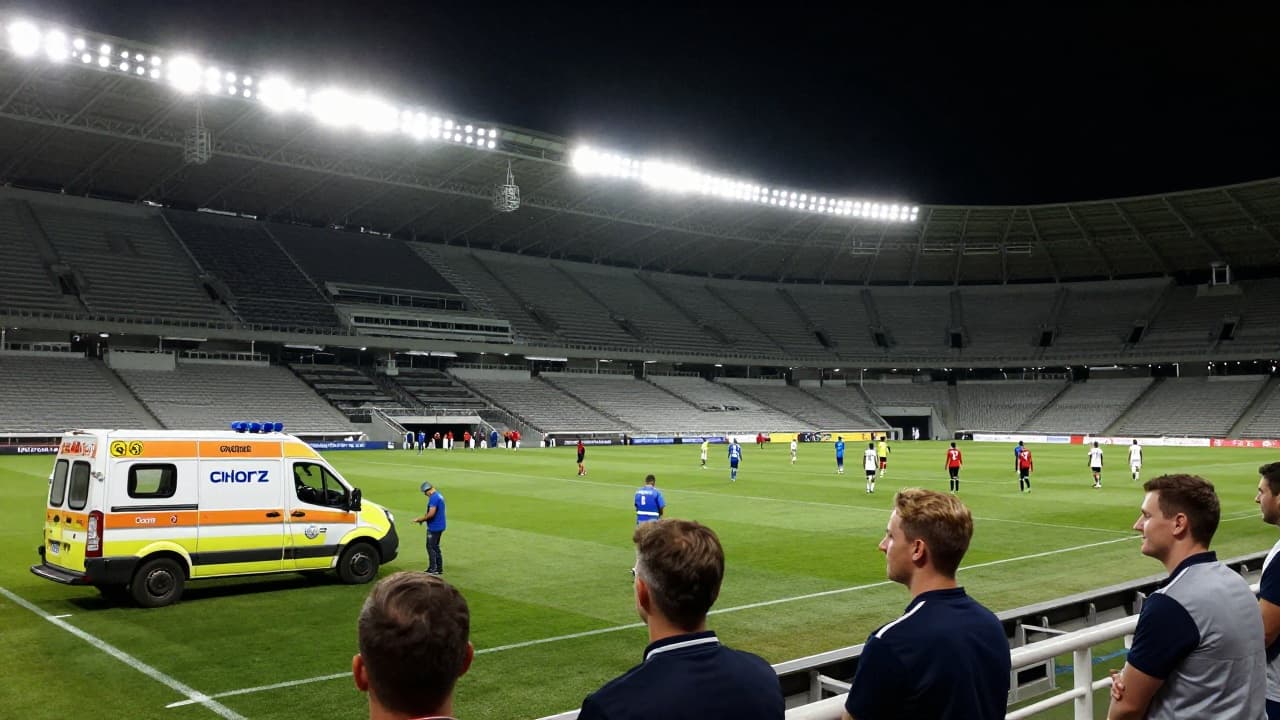
The Premier League, the English Football League (EFL) and the Women's Super League (WSL) are reviewing the structures of fences around football pitches following the death of Billy Vigar, a former Arsenal academy player who died last year at the age of 21 from the effects of a "severe brain injury".
Vigar died five days after colliding with a concrete wall surrounding a pitch while playing for lower-league club Chichester City. Ahead of this season, the Football Association (FA) banned clubs from installing concrete walls, block walls or solid brickwork around their pitches, but that ban applied only to the National League and Women's National League.
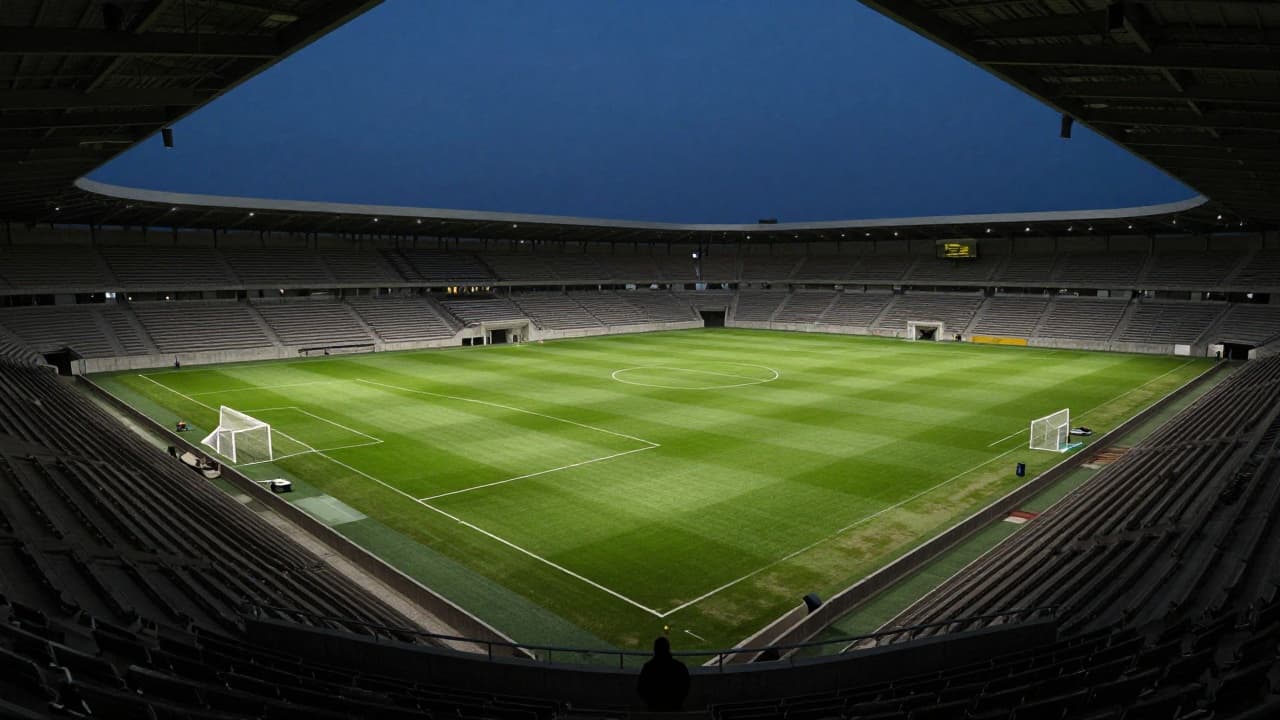
The Premier League conducted a survey among clubs regarding pitch fencing, including the materials used and the distance of free space, and shared the results of the FA's review with clubs. The EFL sent a survey to clubs earlier this year to create a picture of fence structures at every stadium. The survey sought information on free space distances, surfaces and gradients, as well as other potential trip hazards.
Clubs identified as having high-risk fencing have been recommended to undergo specific health and safety assessments to reduce the risk. The EFL's survey was an addition to the regular work carried out at the start of the 2025/26 season and followed as a result of Vigar's death.
In the WSL and WSL2, there is an awareness that many pitches are shared with men's teams in other leagues. A police investigation into Vigar's death is ongoing, with the next hearing scheduled for 10 February. The Metropolitan Police expects it will be another "two to three months" before any conclusion is reached.
Vigar's parents, Keith and Camilla, told BBC Sport on the first anniversary that "the FA could have prevented Billy losing his life because they had so many warnings".