Thaísa Daher de Menezes, the 38-year-old Brazilian volleyball player and two-time Olympic champion, is one of the greatest athletes in her country. Born in Rio de Janeiro of Lebanese descent, she recalled her childhood marked by peer bullying, avoiding parties and discomfort with others' stares in an interview with Brazilian outlet ge.globo.com.
During her upbringing, she stood out from her peers due to her height. She was significantly taller than her classmates, which often provoked mockery and caused her to withdraw. During that period, she had only one wish – to be accepted. She stated that she was born prematurely, at seven months, but with the length of a normal baby. She cried a lot, did not leave the house and did not go to parties because she was hiding. The abuse, as she said, was also suffered at home, not from her parents, but from uncles and relatives.
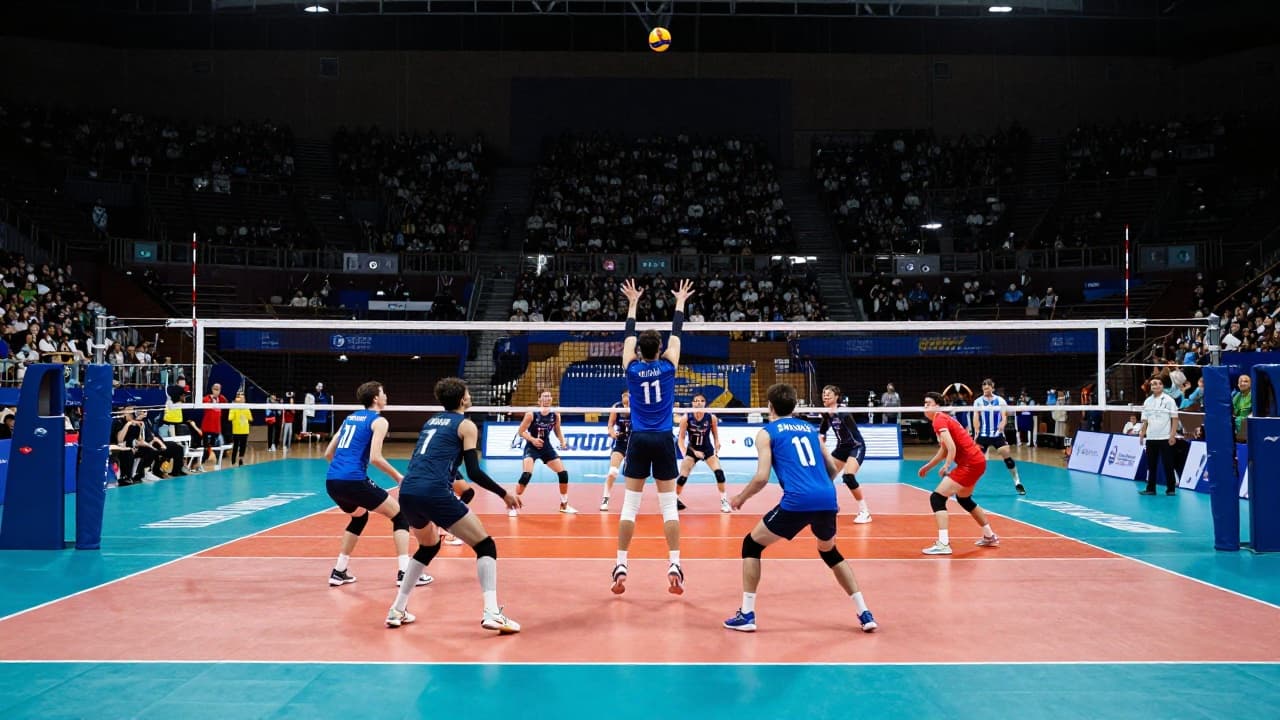
Volleyball ultimately changed her life. She started playing at 13, when she was discovered because she was already 1.92 metres tall. Today she is 196 centimetres tall and is recognisable by her tattoos, scars and long blue hair. Her game is characterised by a strong attack, quality block and effective serve, and she is also known for her temperament and directness. The title of the interview from April 2024 was 'That anger made me show myself'.
Injuries, operations and long recoveries marked a large part of her career. A particularly difficult period followed after knee surgery. In moments when she did not know if she would ever return to the court, coach José Roberto Guimarães, better known as Zé, played an important role. She stated that Zé hired her, gave her health insurance and a salary without knowing if she would play again. She added that Zé, without money and without structure, gave her his time.
During her career, she also faced depression. The first serious problems appeared when she was only 21 years old. She lost 10 kilograms, found it difficult to accept therapy and felt pressure to continue playing as if nothing was happening. She was prescribed antidepressants, but did not want to take them. Despite everything, she built a career marked by two Olympic golds and the status of one of the greatest Brazilian volleyball players.