British comedian and actor David Walliams has been accused by multiple women of using his power and celebrity status to prey on young women and teenage girls for sex. The allegations were published in a joint investigation by the Guardian and ITV News, which covered 30 sources with direct testimony regarding his behaviour.
Among the accusations are testimonies from two women who stated they first met Walliams when they were 15 years old. Both women, now in their thirties, said that Walliams groomed them and that the experience affected them for nearly two decades. Walliams, 55, is also accused of abusing his position to find women through the family television show Britain's Got Talent (BGT) and at his former children's book publishing house, HarperCollins, where he had a sexual relationship with a younger member of staff.
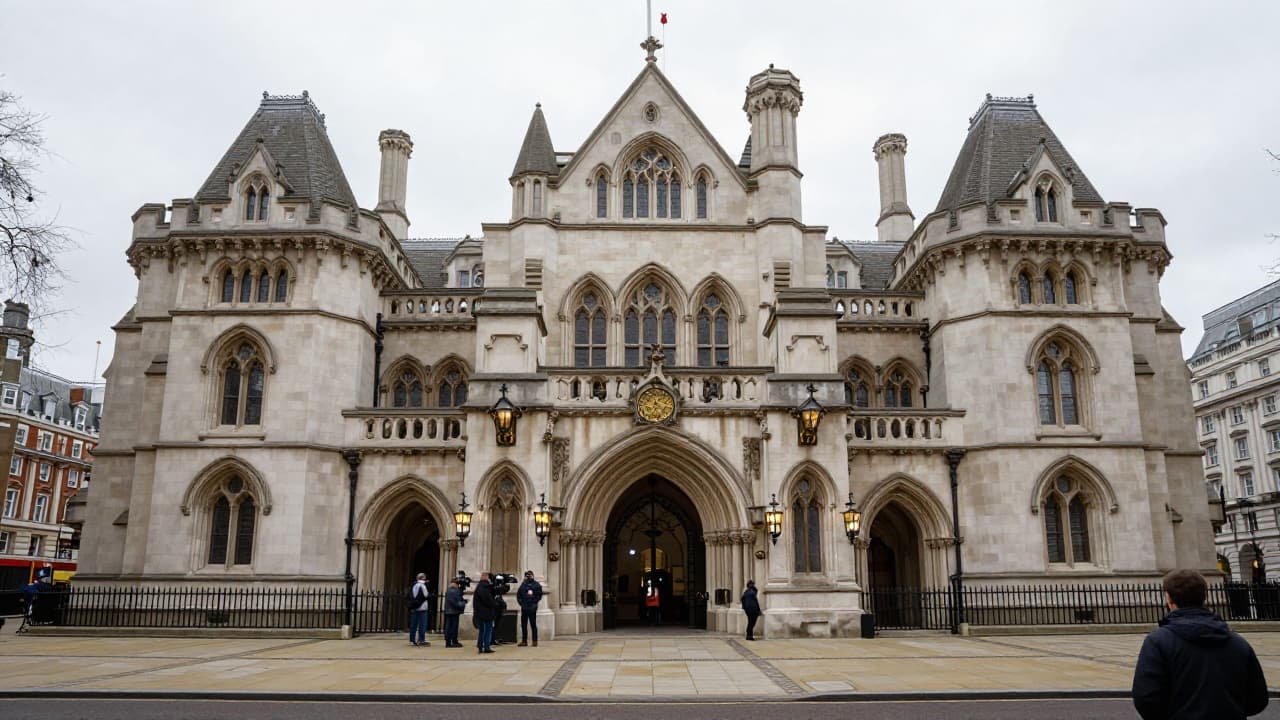
The details of the allegations could finally be published after a court rejected Walliams' legal attempt to prevent publication. Last week, the High Court heard that Walliams had made two suicide attempts after the news organisations first presented the women's allegations to him in May. Walliams' lawyers, who deny any wrongdoing, said his reaction was not a sign of guilt but fear of public humiliation stemming from deep-rooted trauma caused by childhood experiences.
Sara Mansoori KC, the lawyer representing Walliams, told the court that if the allegations were published, the comedian would attempt to kill himself again. Mansoori argued that under human rights laws, the court had an obligation to remove the threat to his life by preventing publication through a lifetime ban. She acknowledged that this would also effectively prevent the women from telling their stories. The court heard that a week before the hearing, Walliams had been admitted to hospital under compulsion.
Walliams remained in a psychiatric hospital when the judge dismissed the case last Tuesday. On Monday, Walliams' lawyers confirmed they would not seek an appeal against the decision, allowing the organisations to finally publish the women's stories. High Court judge Mr Justice Nicklin accepted that there was a real and serious danger of suicide. Nicklin also recognised the 'probable effect' of the situation on Walliams' teenage son, which he also described as 'serious'.
Nicklin said that the investigation 'concerns a matter of significant public interest' and determined that the court had no obligation to protect Walliams from self-harm. Nicklin stated that the state had taken steps to do so by detaining Walliams under the Mental Health Act. Nicklin stated: 'The state is already taking significant and effective measures to protect the claimant. He is receiving inpatient psychiatric treatment in an environment that significantly reduces the likelihood of suicide.' He added that the evidence 'confirms that the hospital can provide significant protection' and 'that treatment can alter his mental state'.
Nicklin further ruled that a ban would represent an 'exceptionally serious interference' with freedom of the press. He said: 'It would prohibit the claimants from publishing the results of their investigations into serious misconduct by a prominent figure.' He added: 'It would also prevent sources whose testimonies form part of those investigations from sharing their experiences with the public.'
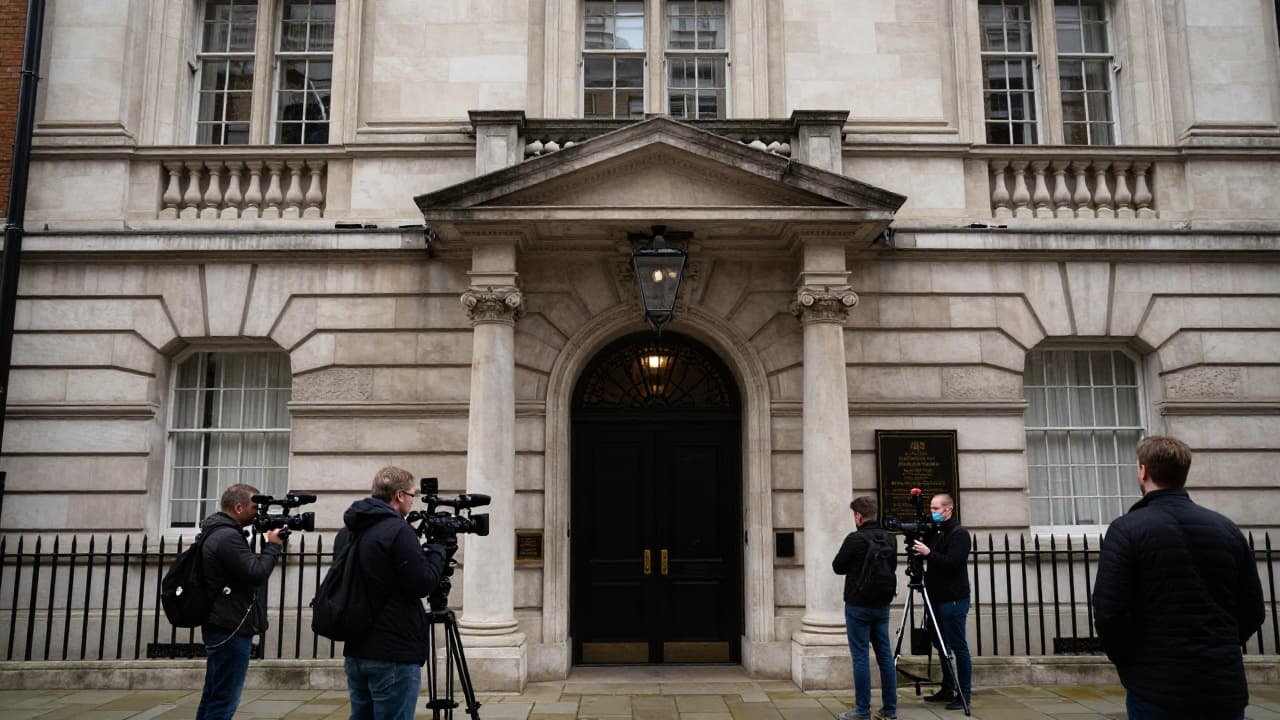
Following the conclusion of the court proceedings and after months of careful consideration of the issues, the Guardian and ITV News are now publishing the allegations against Walliams. Walliams remains in a psychiatric hospital. In a personal letter written to Guardian and ITV News journalists in which he denies the allegations and describes their impact on his mental health, Walliams wrote: 'Looking back, I realise that I have sometimes behaved thoughtlessly towards other people with whom I had superficial sexual relationships.' He also wrote: 'And while an imbalance of power is inevitable when one party is famous, the abuse of that power is something entirely different.'