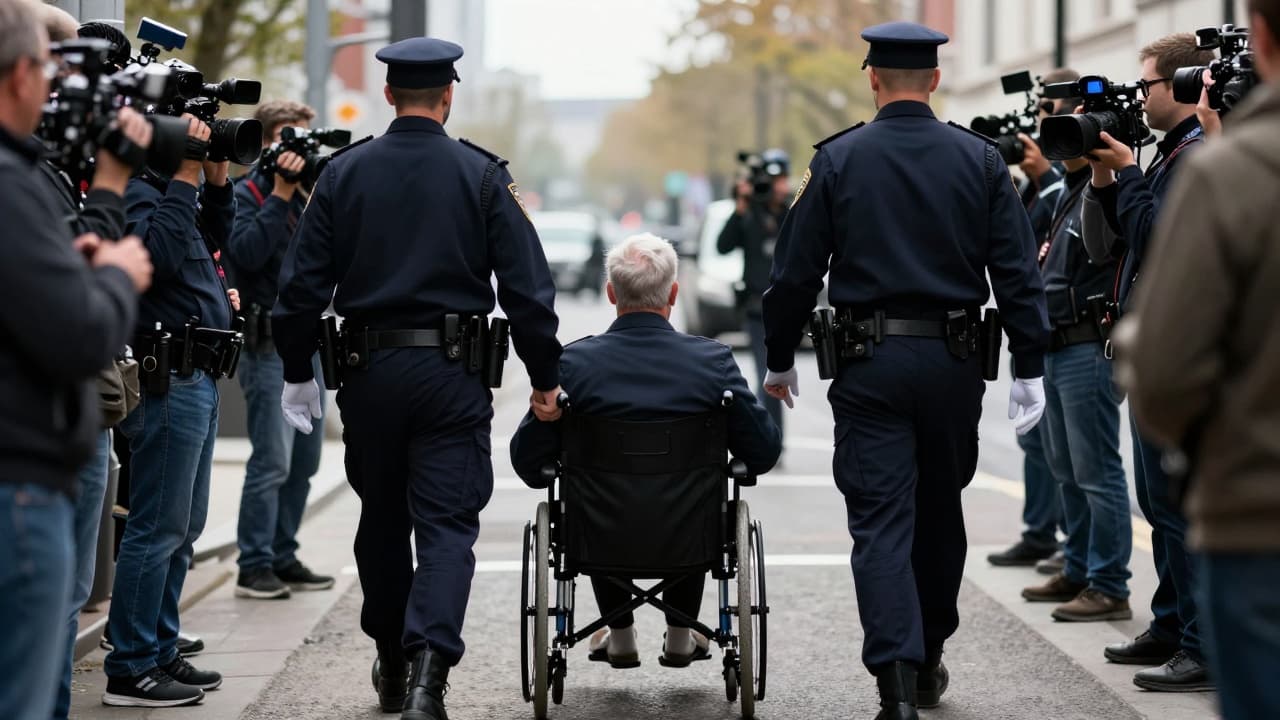
HONG KONG — Two prominent activists, Lee Cheuk-yan and Chow Hang-tung, were sentenced on Tuesday to inciting subversion, in a judgment that further narrows the space for political opposition in Hong Kong. Both defendants, 69-year-old Lee and 41-year-old Chow, were found guilty of the offence of inciting subversion, facing a maximum sentence of 10 years in prison. This judgment was delivered in the context of the increasingly strict application of the national security law, introduced in 2020, which criminalises secession, subversive acts, terrorism and collaboration with foreign forces.
Lee Cheuk-yan, one of the key figures in local politics, was a prominent figure in the Hong Kong Alliance, an organisation established in 1989. That organisation, over the years, had been a voice for pro-democracy change, but is now being dismantled, reflecting the increasing pressure on civil society in the region. Lee, along with Chow, was charged with inciting disobedience, which is part of a wider series of charges against activists who have advocated for democratic reforms.
In a similar case, Chow was previously, in 2021, charged with inciting participation in protests, but her verdict was overturned by the Court of Final Appeal. It was then determined that the police had not provided sufficient arguments for the ban on protests, which led to a review of the legal basis for such measures. However, in this instance, Lee and Chow were found guilty, further restricting the space for political opposition.
This judgment was delivered at a time when Hong Kong is facing increasing pressure to align with Chinese laws, which has led to a reduction in freedom of expression and political activism. Lee and Chow, as prominent figures, are now facing long prison sentences, which could have long-term consequences for the political landscape in Hong Kong.
This judgment also sends a clear message to others considering similar activities, highlighting the strictness of the law and the severe penalties for those who dare to challenge the authorities. In the context of increasing control over civil liberties, this judgment may have long-term consequences for democratic processes in Hong Kong.