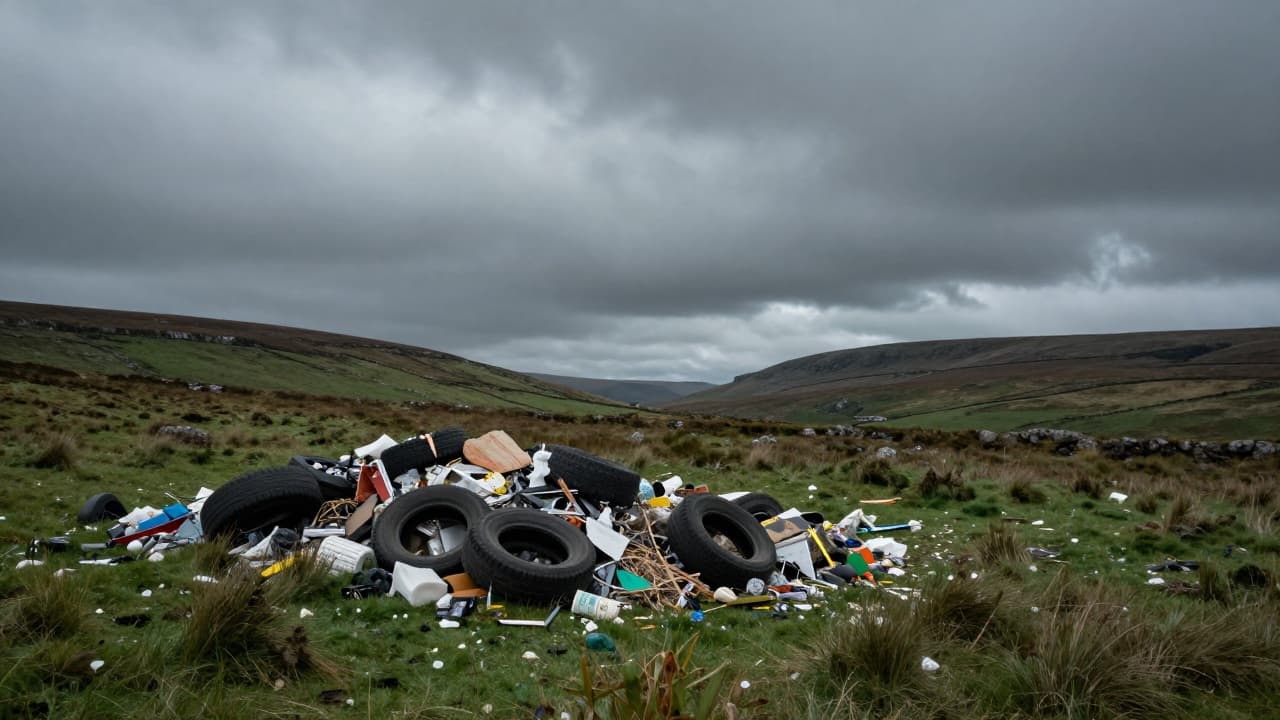
The prime minister highlighted the necessity of stricter enforcement against waste-related offences during a visit to a site in west Yorkshire. As part of the new measures, the government has encouraged collaboration between the National Crime Agency (NCA) and the Environment Agency, aiming to increase pressure on organised crime. The two bodies will work together to gather intelligence on the networks behind more serious forms of crime, using the Proceeds of Crime Act to ensure that offenders bear the cost of the clean-up operations resulting from their actions.
In the sphere of education, the secretary of state for education, Bridget Phillips, stated that racism and sexism were being normalised due to political trends, particularly on social media. She highlighted concerns over the growing normalisation of attitudes that condone violence against women and girls. In the same context, she noted that her reforms to special educational needs were designed to provide greater protection for parents, particularly in situations where they were dissatisfied with the services provided.
The department stated that it was open to considering changes to the proposals following a consultation, although final decisions had already been made. Parents had expressed concern that, under the new system, those who had rejected the education, health and care plan (EHCP) might be entitled to request a change of school, which could have wider implications for the system.
Meanwhile, Lucy Powell highlighted that the gap in outcomes between boys and girls had narrowed to its lowest point in recent years. Almost one in four children in England achieved top grades in mathematics, with results in English also showing improvement. These figures point to positive changes in the education system, although challenges remain regarding the social aspects of education.