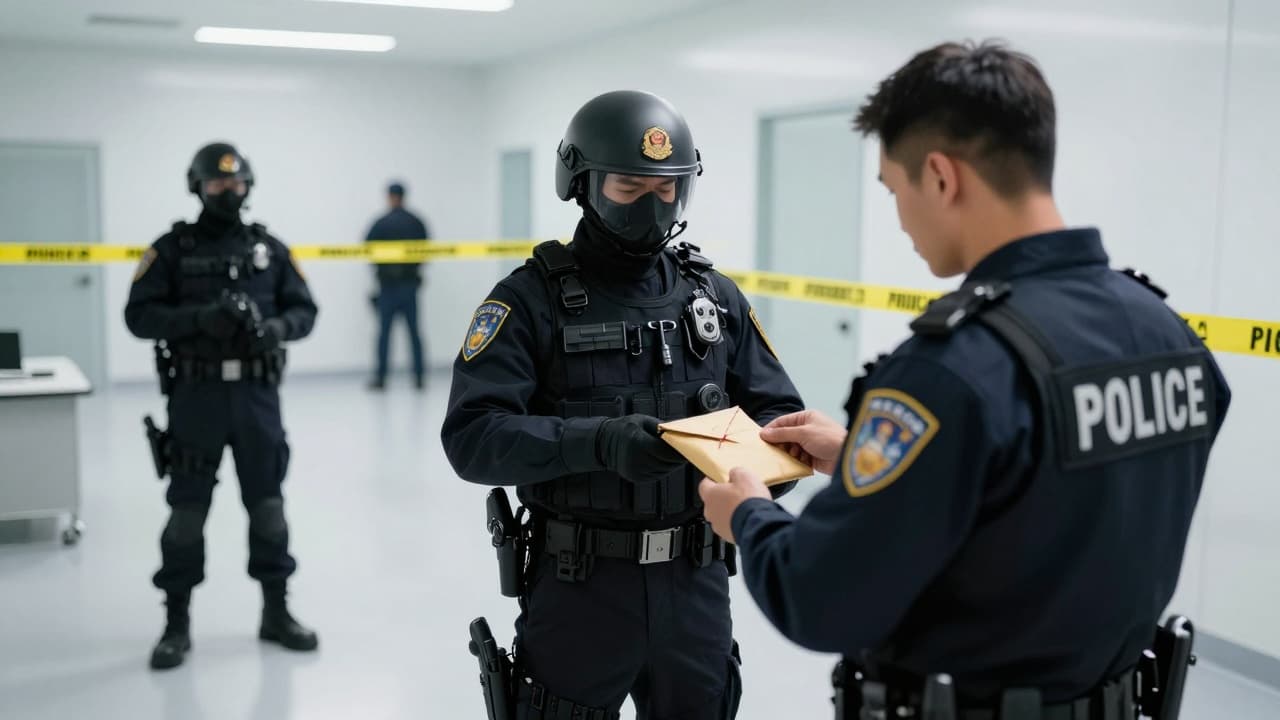
The UK government has announced that internet pornography depicting strangulation or incest will be banned from the start of November. From 6 November, it will be illegal to possess or publish pornography that depicts strangulation or suffocation, or sexual activity between relatives, or where an adult is portrayed as a child under the age of 16.
The new rules follow a review of pornography regulation in 2025, which found that depictions of strangulation were 'widespread' on popular pornographic websites and had contributed to the normalisation of the act among young people. The review was led by Baroness Gabbi Bertin, who stated that the news came 'not a moment too soon'.
Baroness Bertin told the Press Association that the legislative change would send 'a clear signal' to companies hosting and enabling pornography, as well as to society at large, that 'extreme and violent content that causes real harm is not acceptable'. The review was commissioned by the government of former Prime Minister Rishi Sunak. The review cited the testimony of a 14-year-old boy who asked a teacher how to strangle a girl during sex, with a warning that those mimicking such behaviour 'could face devastating consequences'.
Non-fatal strangulation is already a criminal offence if the person does not consent, but its depiction online is currently not illegal. Amendments to the Police and Crime Bill, which became law in April, sought to ensure that such content was covered by legislation and became a criminal offence in England and Wales.
The Justice Secretary, Alex Davies, stated that this was not about 'criminalising harmless sexual preferences'. She said that 'pornography can shape what people think is a healthy relationship, especially for young people'. She added that content which 'normalises or even glorifies' violence against women could 'blur the line of what is acceptable in real life'.
'If you have this material, delete it. If you are sharing it, stop,' said Davies. 'It is not as harmless as you might think, and after 6 November it is a criminal offence.'
According to the government, publishing includes uploading, posting, or otherwise making content available online. Possession may include saving an image to a phone, computer, or cloud storage. The government states that a person possessing images of sexual activity where someone is pretending to be under 16 may face prosecution after 6 November, as well as for possession of images depicting strangulation, suffocation, or penetrative sexual activity between specific relatives. The new offences also cover pornography depicting sex between persons in a stepfather/stepmother or foster relationship, where one person is depicted as being under 18.
Professor Clare McGinn of Durham University welcomed the full implementation of the law. 'This is a potential turning point, the start of the implementation of these laws marks a line in the sand where we have decided that we will no longer accept the normalisation of sexually violent content in pornography,' she told the BBC. She added that there were questions about how quickly technology platforms and regulators would act to remove and prevent the spread of material that breached the rules. 'Although these are criminal offences, it is not about prosecuting individuals, but about transforming the online pornography landscape, which requires action from platforms and regulators,' McGinn concluded.