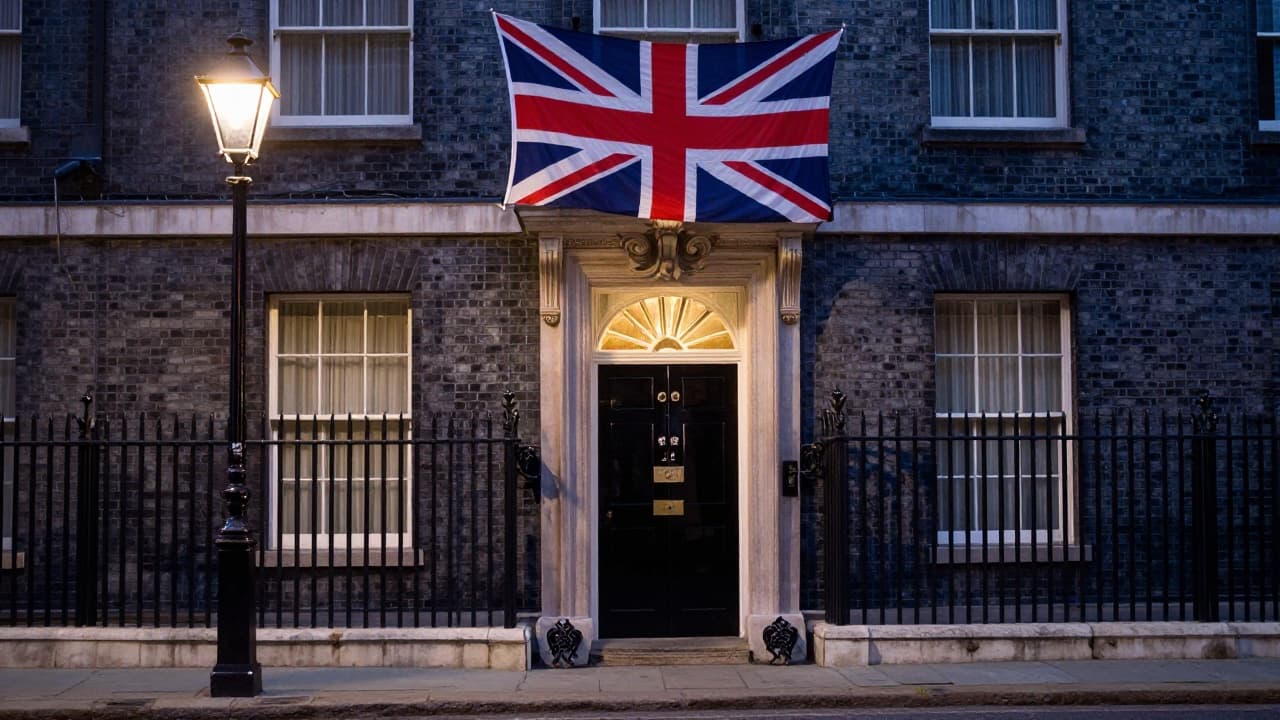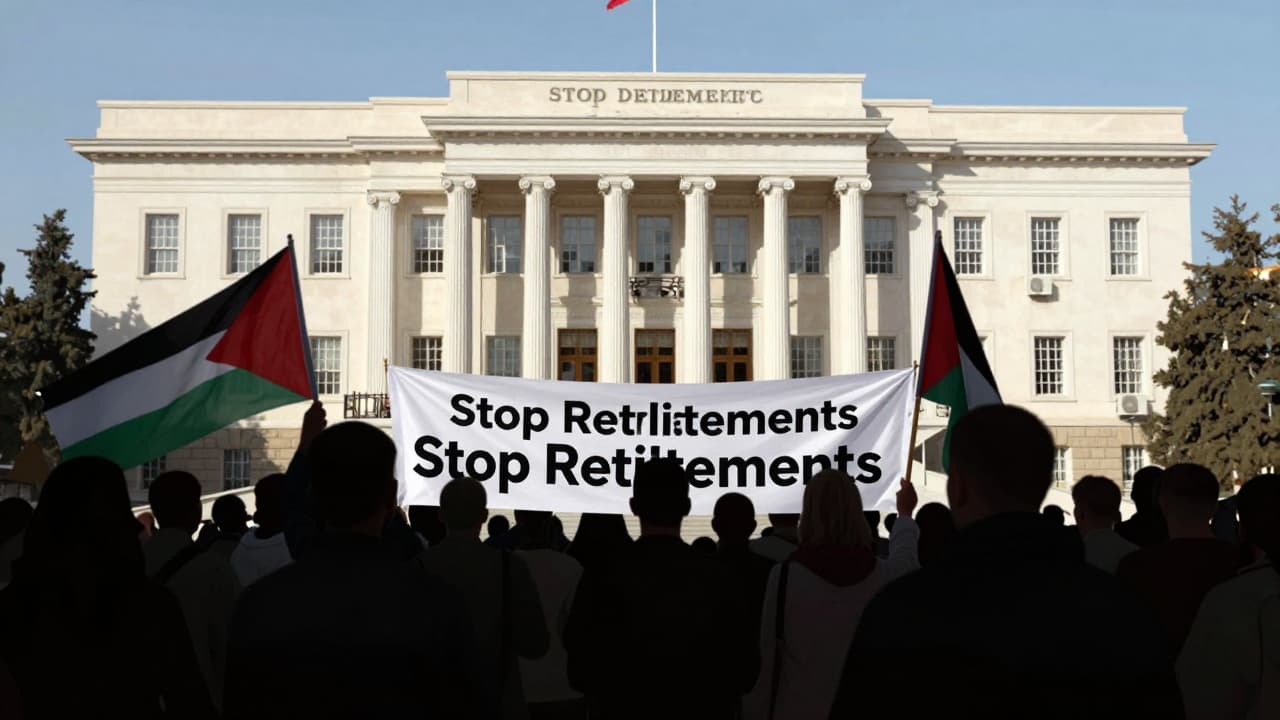
The British government has implemented significant changes to its foreign policy: it will impose strict sanctions on Israeli settlements in the occupied territories. This decision, described by the British administration as the most significant in recent years, represents a significant shift in the diplomatic approach towards Israel. The government has sent a clear message regarding its stance on the expansion of settlements, while simultaneously expressing concern over the potential consequences of such a move, including the risk of losing the trust of voters at home.
The reaction to these measures was immediate and sharp. The Israeli government, in response to the imposition of sanctions, banned the entry into the country of 12 British citizens. This countermeasure is part of a broader series of tensions that have developed following the change in British policy. In the same context, the French government has also been exerting pressure on Israel in relation to the expansion of settlements, indicating international pressure on this region.
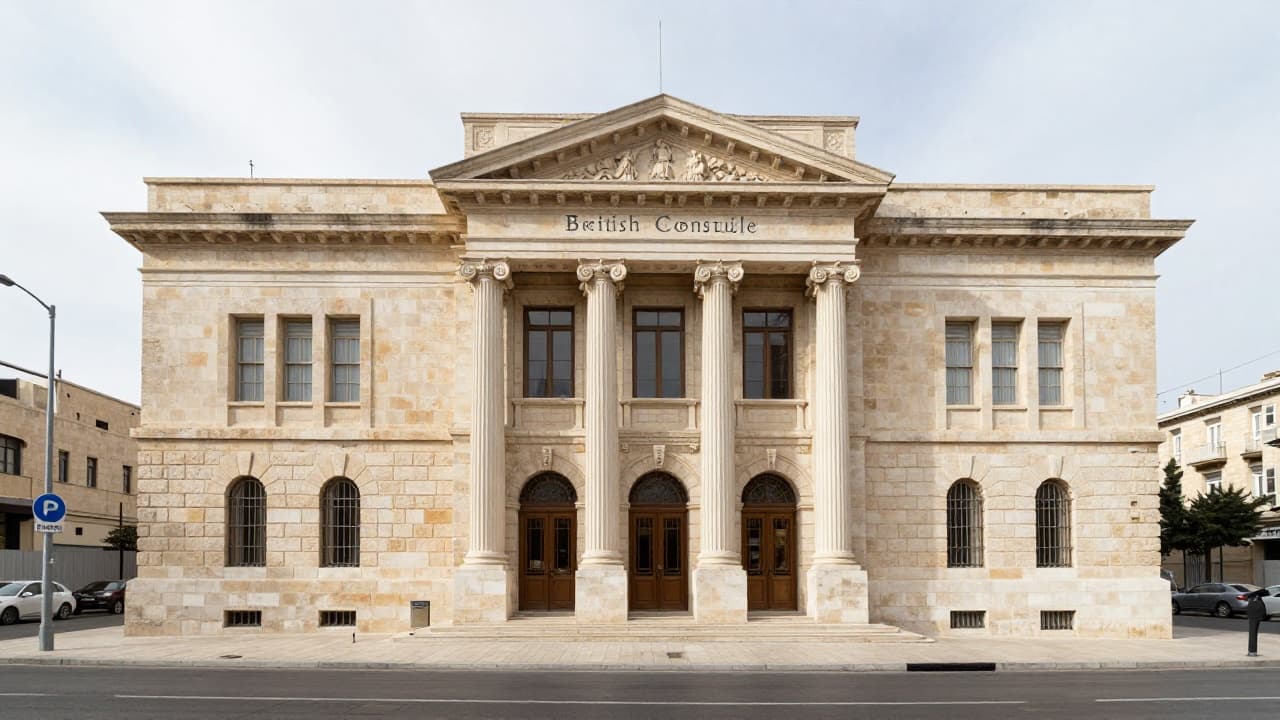
Within the political elite, reactions to these changes have been divided. Ed Miliband, Kemi Badenoch, Tom Tugendhat, Edward Leigh, and representatives of the Green Party, including Zack Polanski, have expressed different views on this decision. Particular note has been made of the tension within the government, where Kemi Badenoch directed criticism towards Andy Burnham during the question time in parliament. Burnham, who had advocated for strict measures, including a ban on the import of goods from illegal settlements in the West Bank, has faced political pressure in relation to this decision. Although the Israeli government has closed the British consulate in East Jerusalem, the British government remains firm in its decision, highlighting the importance of respecting international law and human rights in the region.