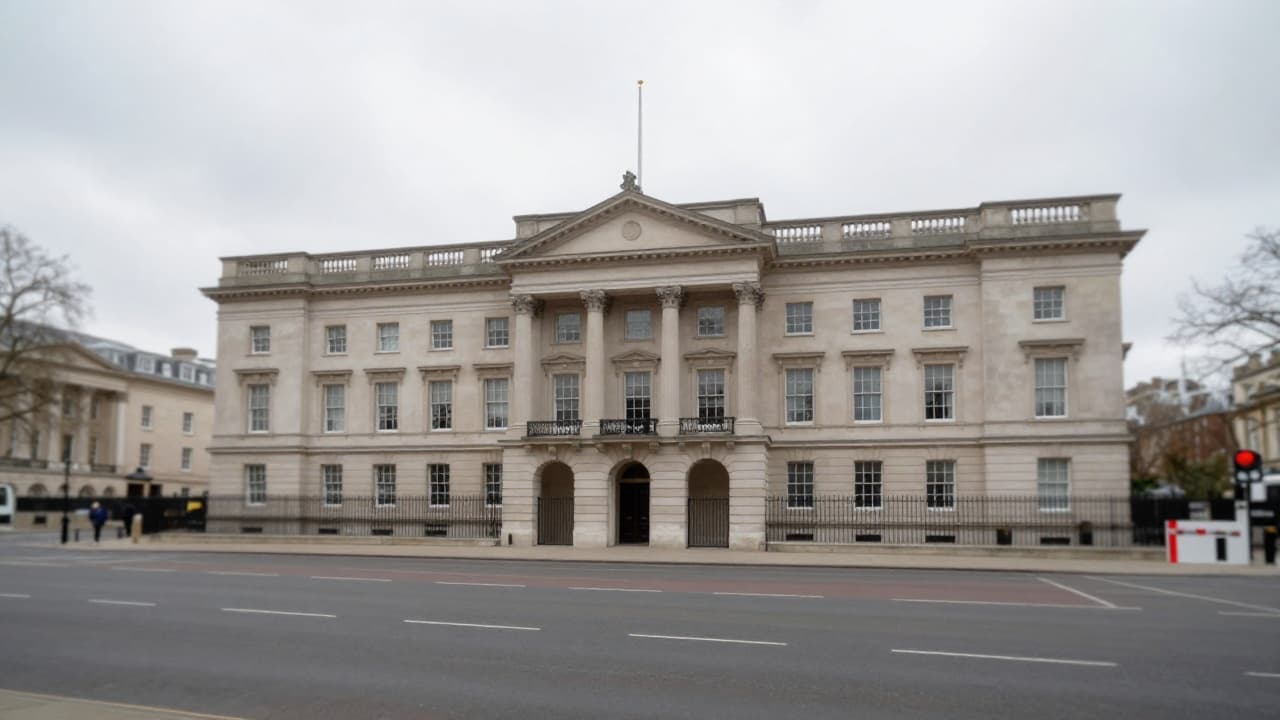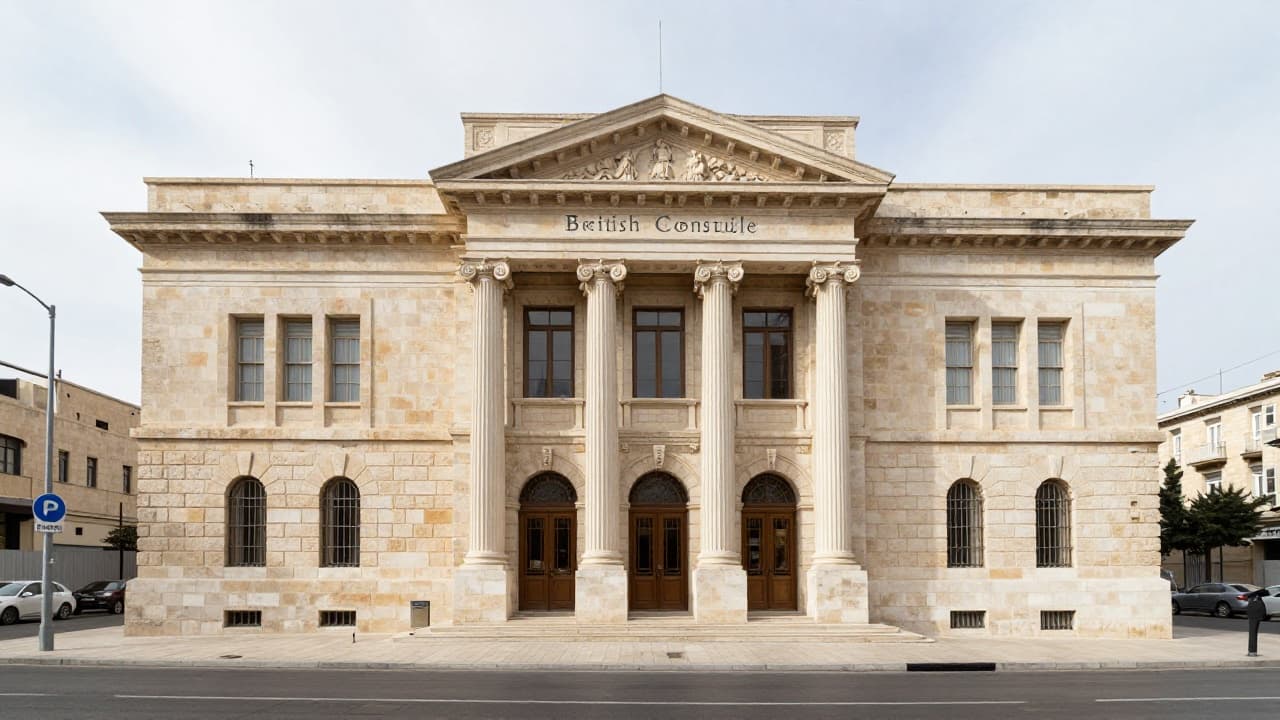
The United Kingdom is considering expelling diplomats from the Israeli embassy in London if Israel enforces the closure of the British consulate in East Jerusalem this week, sources familiar with the matter have told Reuters. The dispute is the culmination of a long-standing disagreement over sanctions imposed on Israeli settlements, according to four sources.
Israel ordered the United Kingdom on 8 September to close the consulate in East Jerusalem and withdraw its diplomats from the city within 30 days. The decision followed the UK’s announcement of a ban on trade with goods produced in Israeli settlements in the occupied West Bank. The 30-day deadline for the closure of the consulate, granted to the UK, expires on Thursday.
The UK is considering expelling Israeli diplomats from its embassy in London in response to the potential closure of the consulate, sources said, on condition of anonymity. A fifth source, also speaking on condition of anonymity, said that the UK was still hoping to reach an agreement that would prevent the closure of the consulate. If the consulate is closed, the source added, London would not take any steps before the Israeli elections on 27 October, if it were to take any action at all.
Reuters reported on Monday that the UK’s national security adviser, Jonathan Powell, had visited Israel in secret last week in an attempt to keep the consulate open, but no agreement was reached. The British and Israeli foreign ministries declined to comment on the matter.
Following the announcement of the sanctions, the Israeli foreign minister accused London of interfering in the country’s domestic elections. The UK’s announcement and Israel’s response marked the lowest point in the relationship between the two former allies. The UK has repeatedly criticised Israel over its actions in the war in Gaza and for the attacks by Israeli settlers on Palestinians, while the Israeli government has accused the British Labour Party of hostility towards Israel.
At the time of the sanctions' publication, the UK stated that Israel's actions were undermining the possibility of a two-state solution – the idea of a Palestinian state living peacefully alongside Israel. The government of Benjamin Netanyahu has openly rejected the idea of Palestinian statehood. The UK, which recognised the State of Palestine last year, cited the settlement expansion projects supported by the Israeli government and the increasingly frequent attacks by settlers on Palestinians in the West Bank as reasons. The British sanctions are set to come into force next year.
Despite the current tensions, the United Kingdom and Israel are close economic, security, and intelligence partners. The incident has further highlighted the growing frustration among Israel’s long-standing allies over its settlements in the occupied West Bank, a territory captured by Israel in the 1967 war. The international community, including all UN bodies, considers these settlements illegal under international law, a stance that Israel disputes.