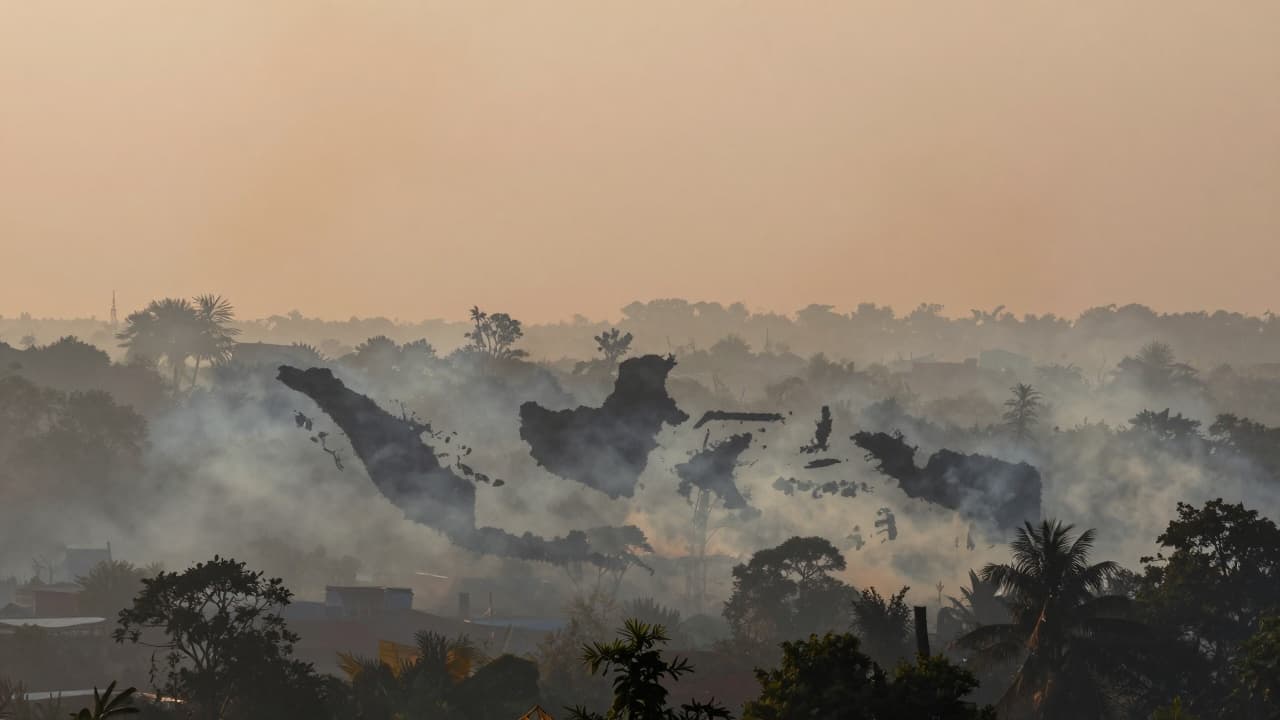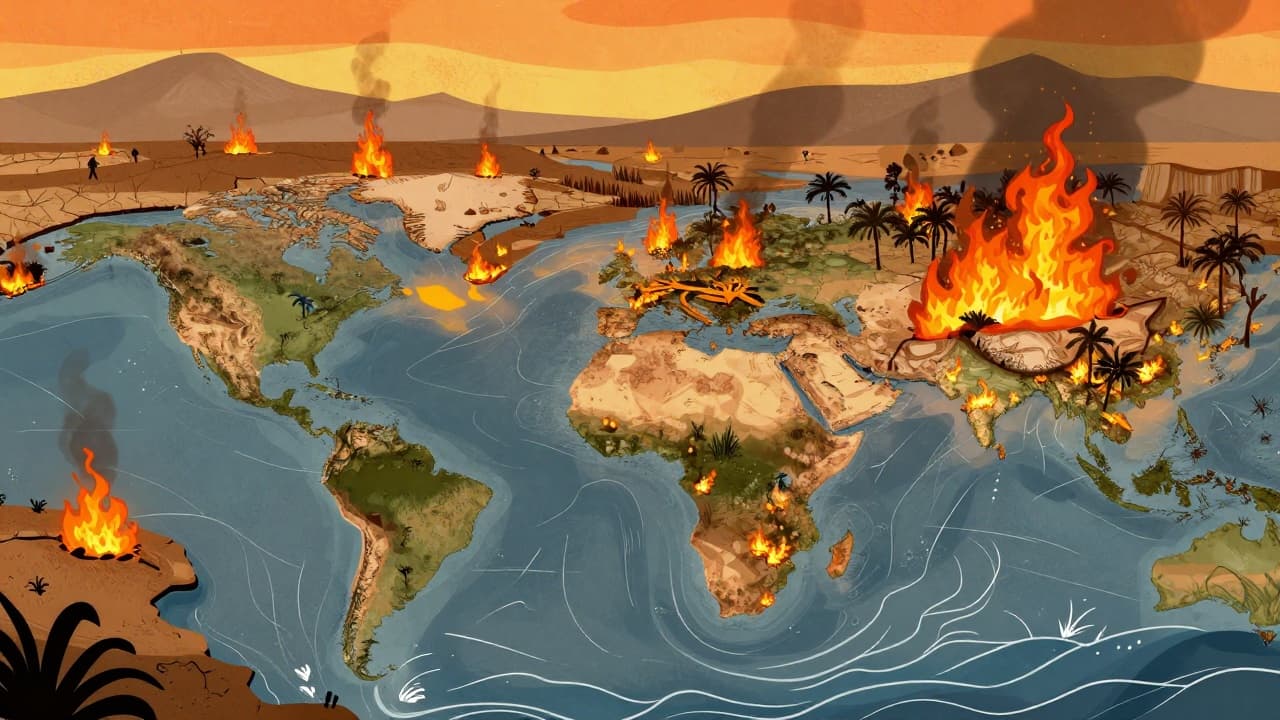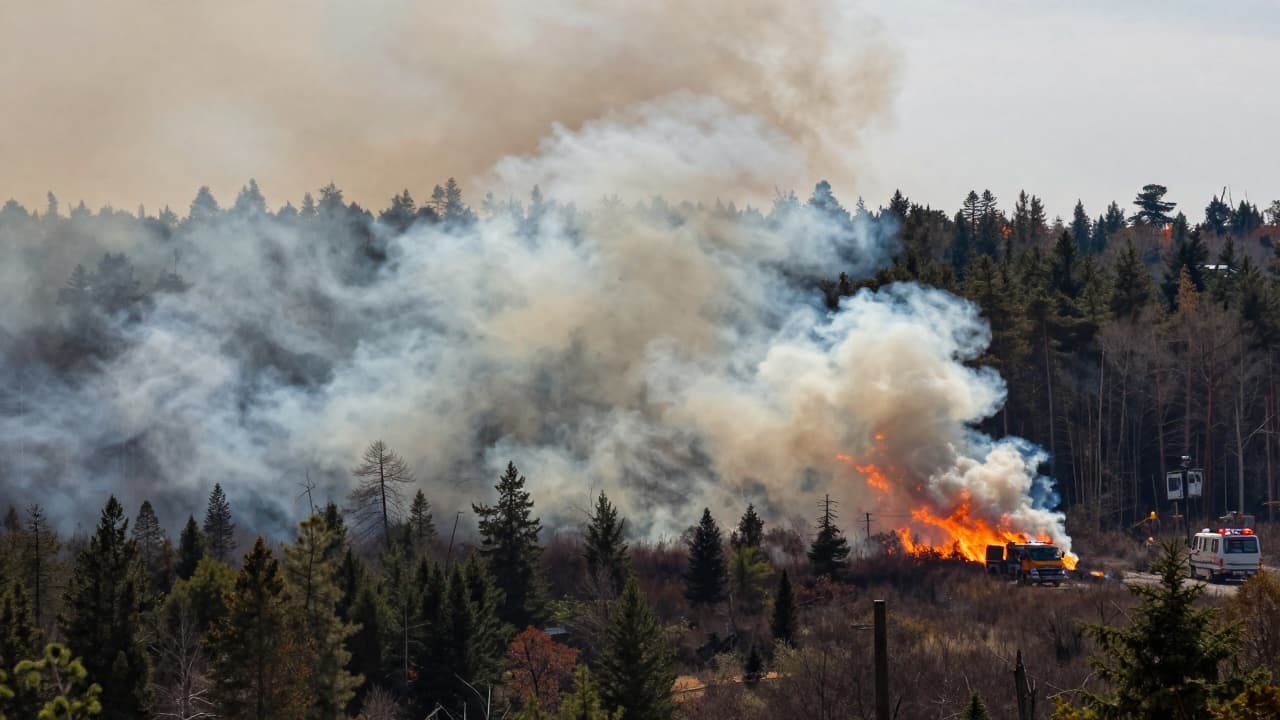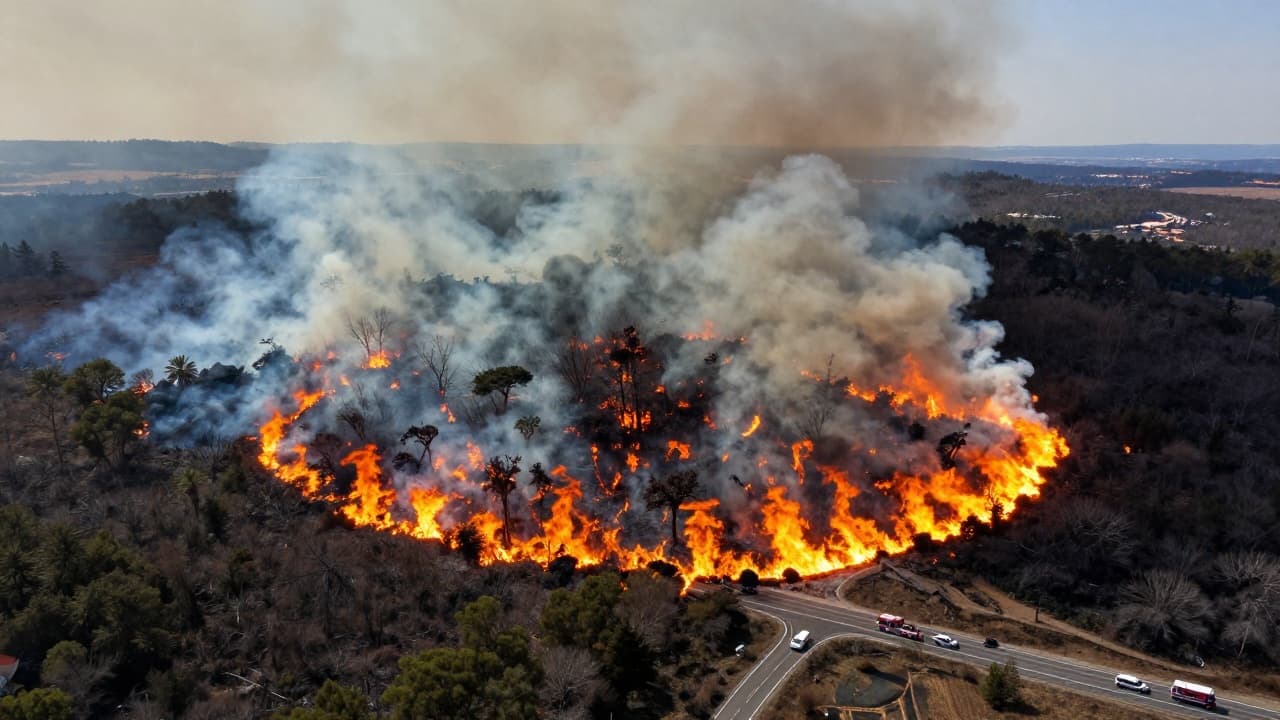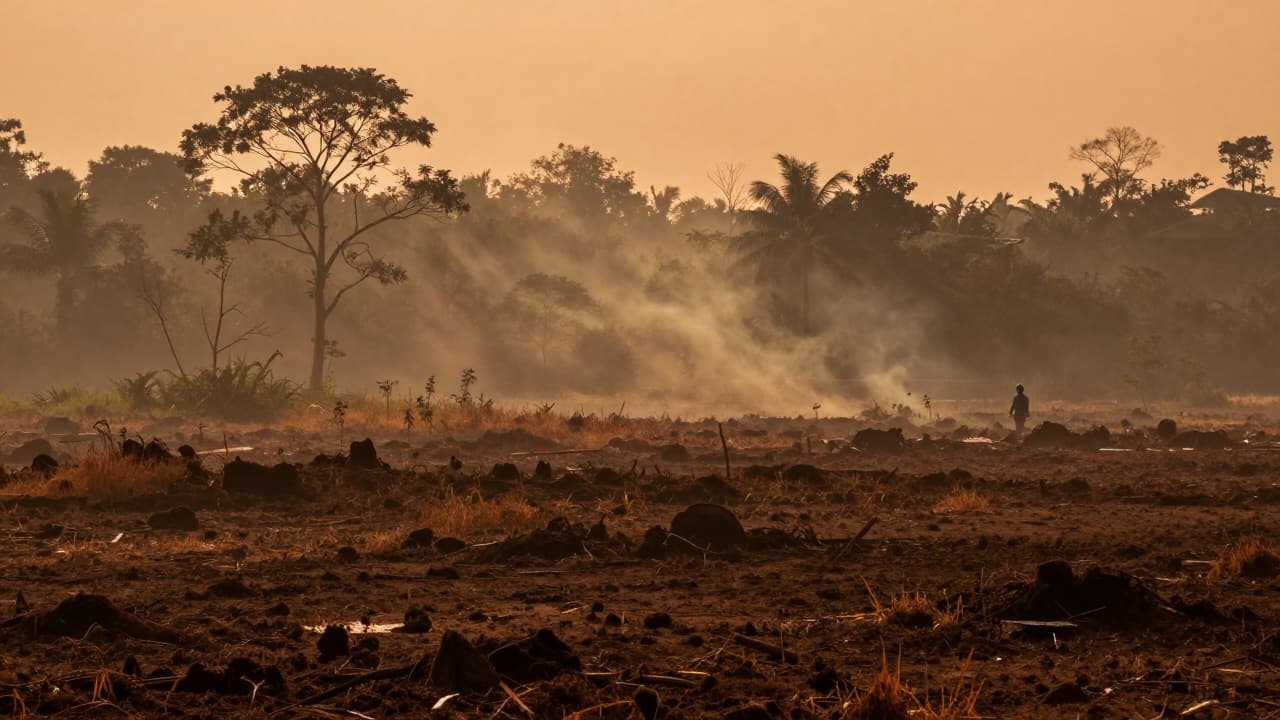
Fires in Indonesia, fuelled by the "Super El Niño" phenomenon, have been burning for months and have sickened hundreds of thousands of people, while smoke from brown forest and peatland areas spreads far beyond the country's borders.
According to data from the open-access satellite platform Nusantara Atlas, fire has affected approximately 1.9 million hectares across Indonesia since the start of the year, with an estimated one million hectares burned in September alone. Smouldering forests, wetlands and peatlands have filled the air with micro-particles and carbon monoxide, and this toxic cloud has spread across Indonesia, reaching Singapore, Malaysia and the Philippines.
The Indonesian Ministry of Health recorded more than 277,000 cases of chronic cough and acute respiratory infections by mid-October. More than 62,000 of those affected are infants and children under five years old. Dianyra Eka Nastiti, a mother of three from Palangkaraya, says her baby's chest makes a wheezing sound at night, and the infant was hospitalised for bronchopneumonia when she was only a month and a half old.
Natari Victoria, a 22-year-old, was admitted to a health centre in Palangkaraya after suffering from a cough for more than a week. Smoke and haze from peat fires contain a complex mixture of pollutants that seriously endanger human health. Fine micro-particles can penetrate deep into the lungs and, in some cases, the bloodstream, causing inflammation, chronic lung diseases and an increased risk of premature death. Toxic greenhouse gases are also released into the air.
Riduan, head of the Health Office in Palangkaraya, says that in Central Kalimantan, particularly in Palangkaraya, the sky has turned yellow and hazy. Children, the elderly and pregnant women are particularly vulnerable to the dangers of the haze, and in places like Palangkaraya, official advice is to stay indoors and avoid going outside.
Lola Macitri, a 37-year-old from the rural village of Ramang, 50 kilometres north of Palangkaraya, says the smog has shifted from dusty grey to amber yellow in recent weeks, and recently to the colour of a burnt orange. Her children are attending school online. Many farmers, day labourers and small traders are forced to choose between losing their source of income and the risk of going outside.
The government is under increasing public pressure to do more to stop the fires. Authorities claim they are implementing a range of measures, from aerial firefighting to experimental weather modification. Last week, the Indonesian government announced that it had deployed more than 60,000 people for a "land operation" and claimed an 80 per cent success rate in extinguishing new fires.
Dr Nisa Novita, a forestry expert and peatland researcher at the Indonesian conservation organisation Yayasan Konservasi Alam Nusantara (YKAN), warns about the nature of these fires. For more than 100 days since June, firefighters have been battling blazes that show only false signs of subsiding — surface flames are extinguished, but smouldering fires continue to burn underground.