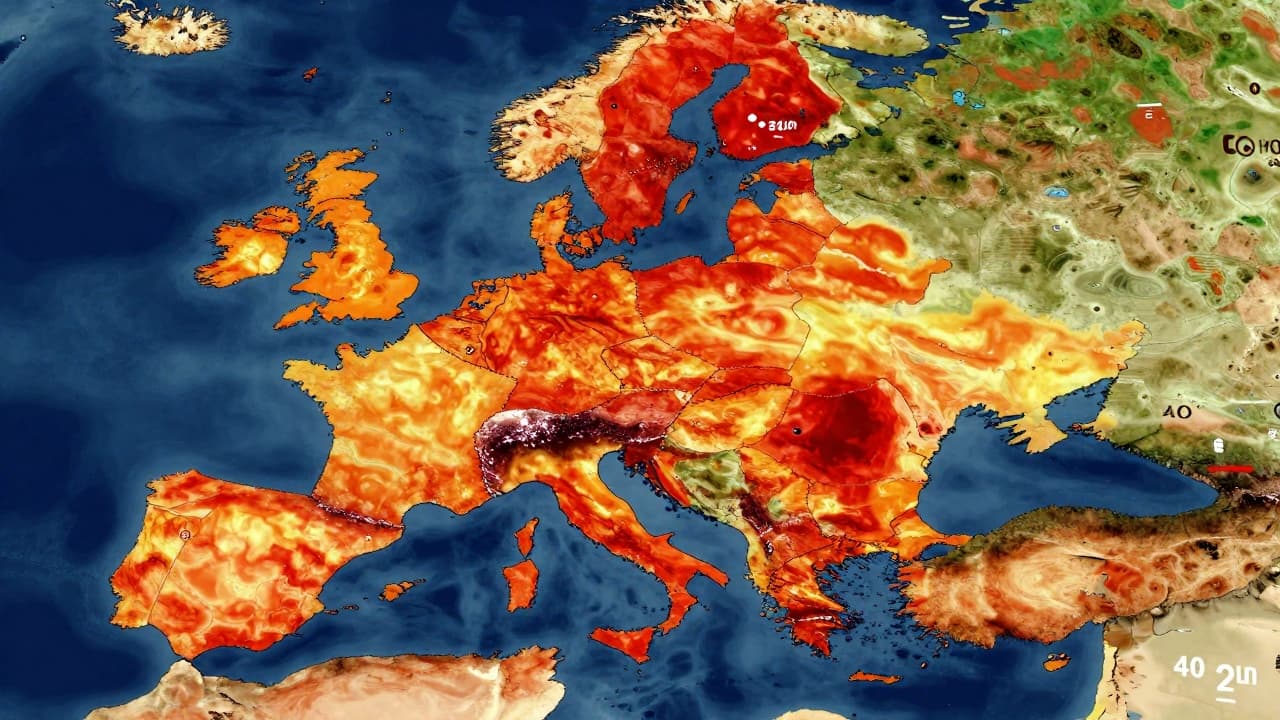
Scientists estimate that a super El Niño in the next six months could cause more than 450,000 deaths due to extreme heat. This figure does not include premature deaths that are already a consequence of rising temperatures due to climate change, according to a report to be submitted to a scientific journal for peer review.
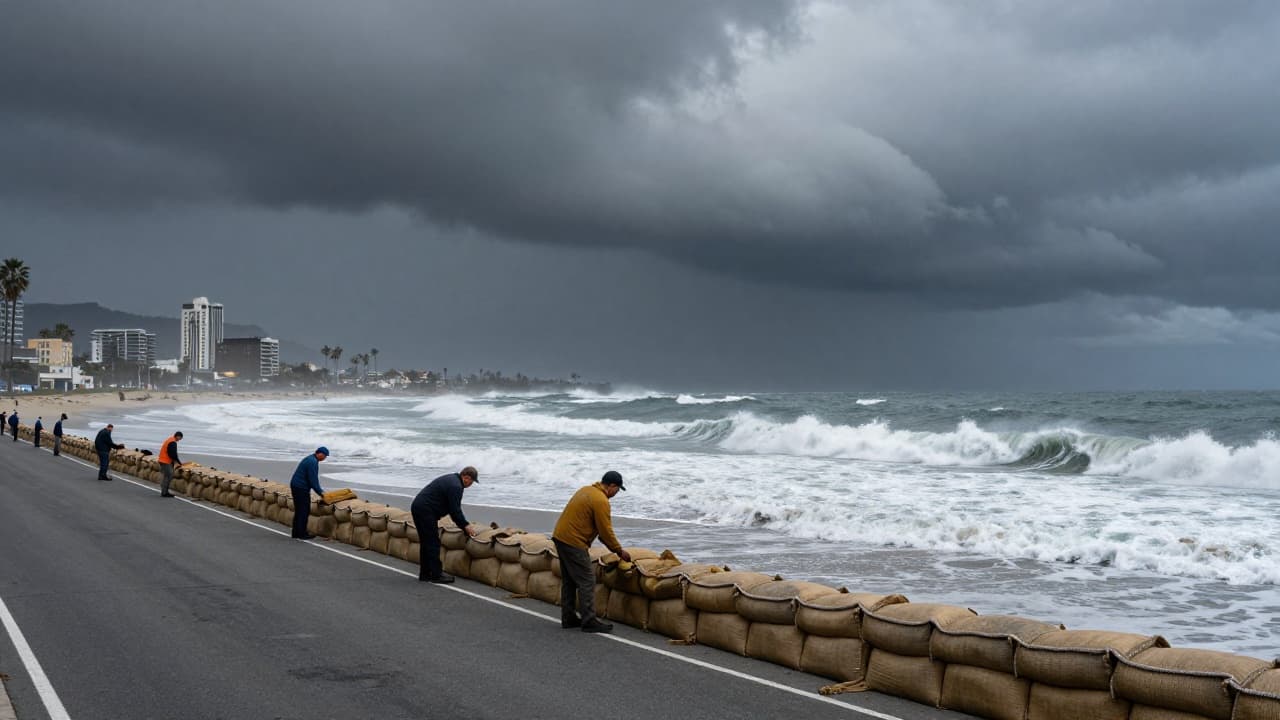
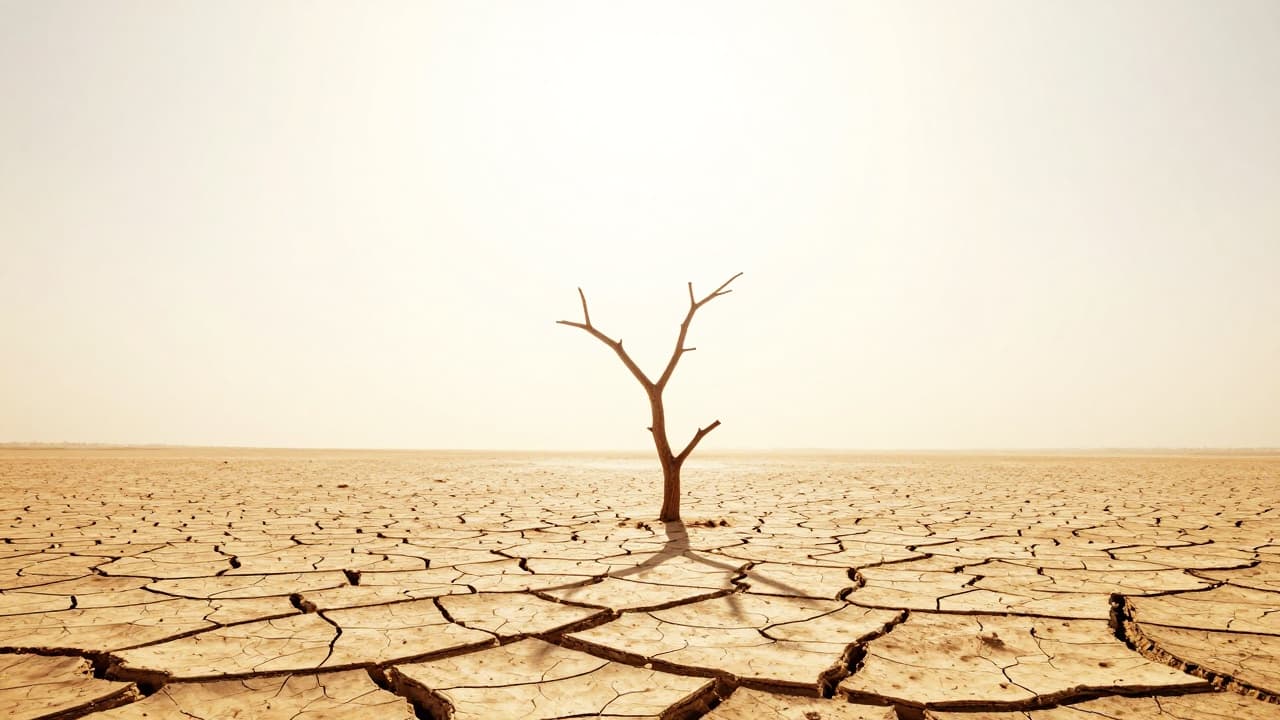
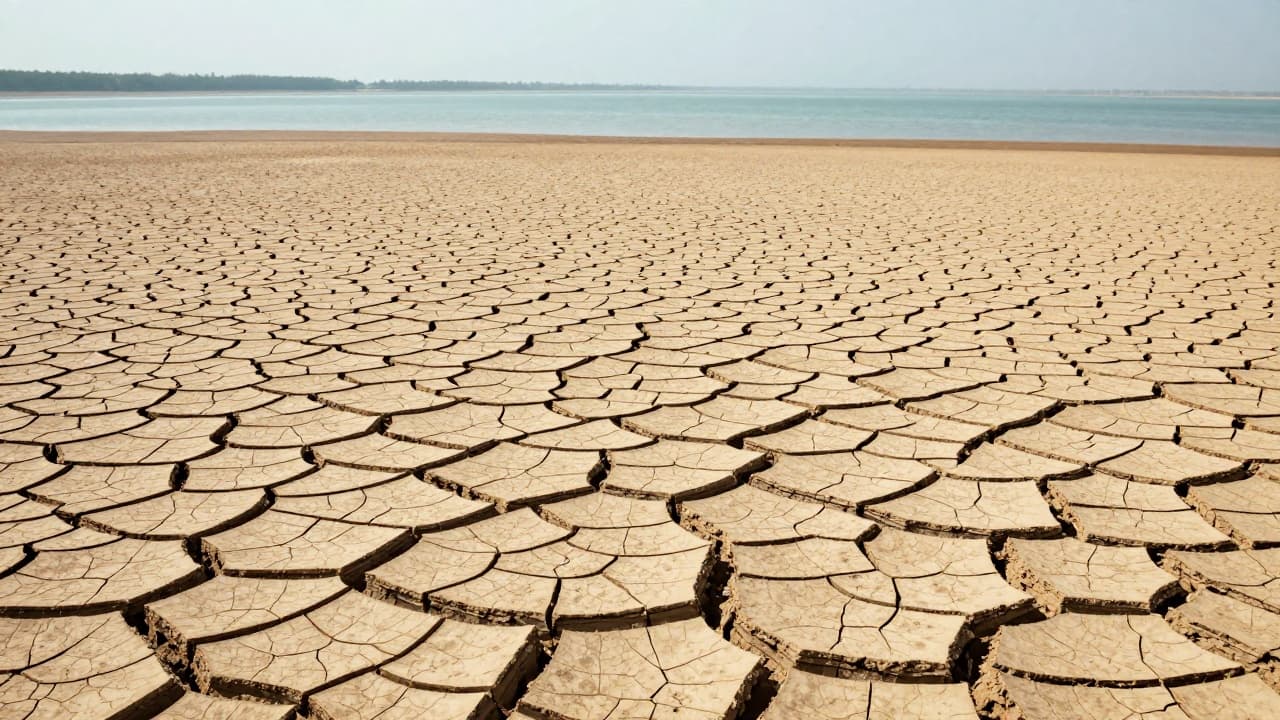
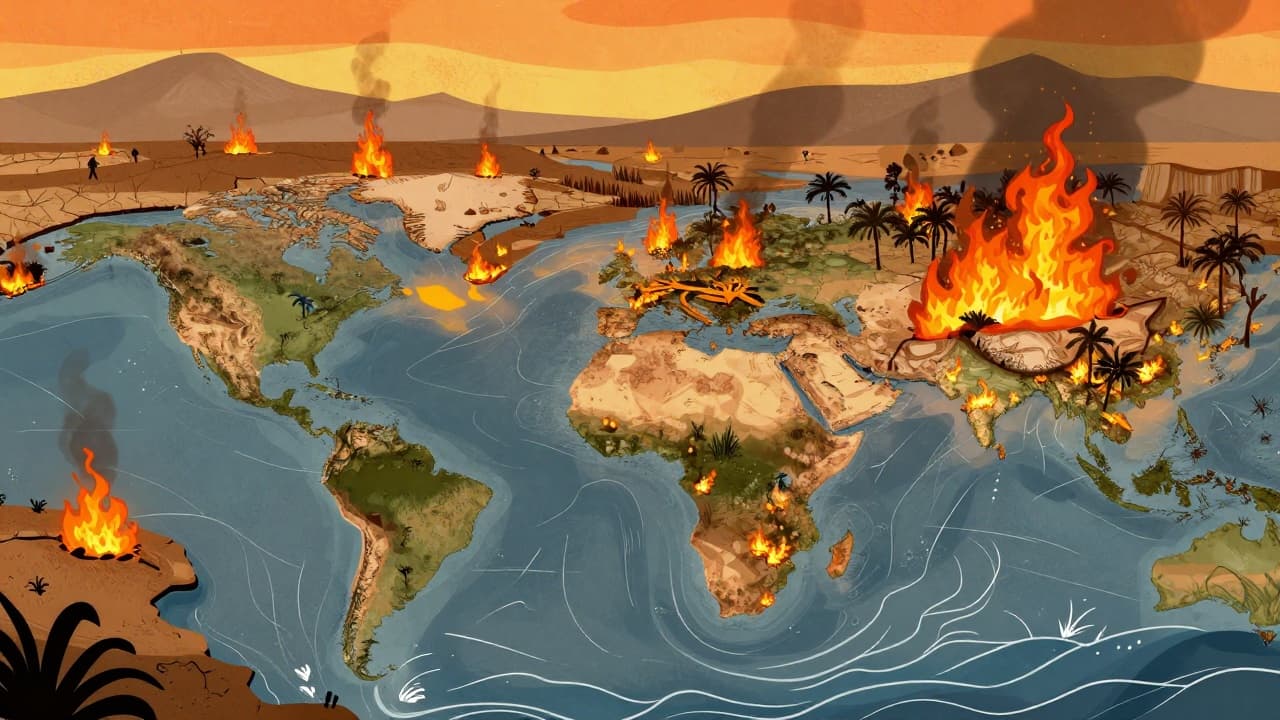
The consequences will be felt worldwide, from Indonesia and India to Nigeria and the US. A large number of deaths from droughts, forest fires and floods, phenomena that regularly accompany El Niño, are also predicted. The countries most affected in the next six months will be tropical states: Nigeria, Indonesia, Sudan, India and Brazil. The US is among the 20 most vulnerable countries, with an estimated 3,500 additional deaths, while the Sahel region in Africa and South-East Asia are also under strong influence.
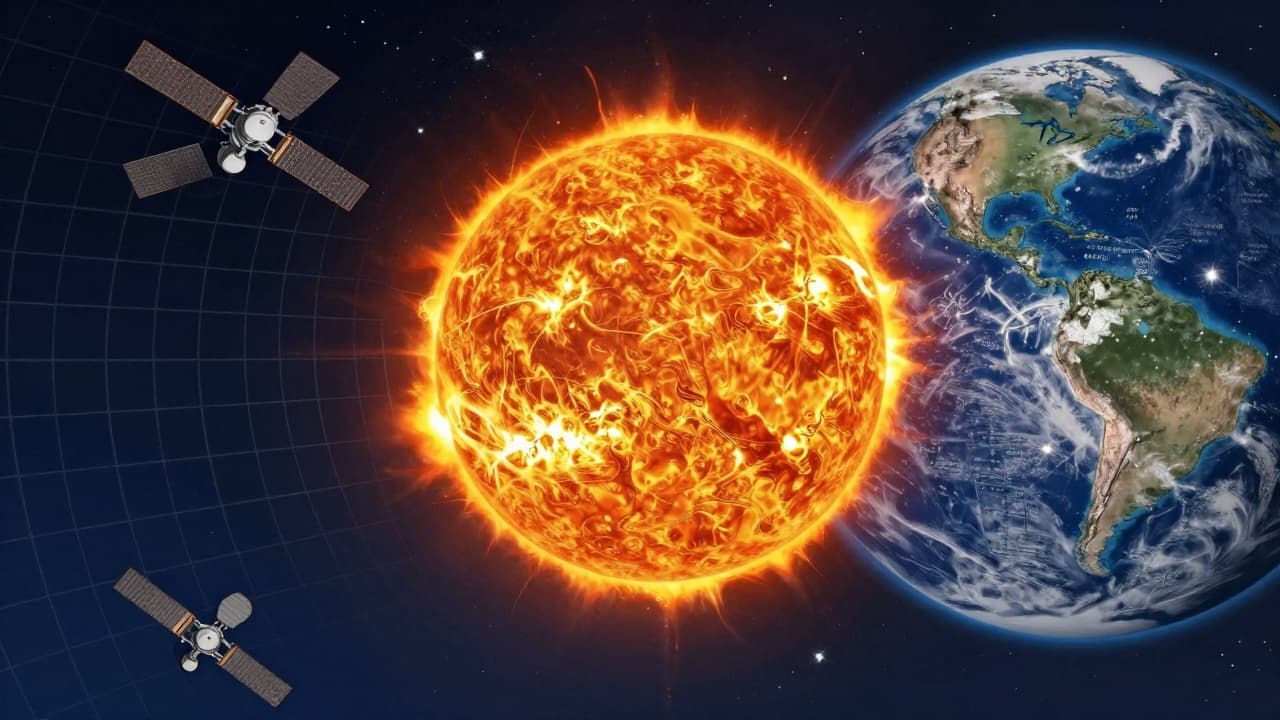
The current El Niño, which is warming the planet, has surpassed the highest temperature previously recorded for this phenomenon on Monday, several months before the expected peak. The heat is so much greater than all previous occurrences that scientists have described it as "amazing" and "at Godzilla levels". This is a natural climate event, but global warming could further amplify its effects.
Mortality estimates are made at the regional level. Researchers state that projections accurately show where protective measures are needed to save lives. These measures include better forecasting of heatwaves, opening cooling centres, and increasing the number of staff in medical facilities during the hottest periods.
Professor Michael Greenstone, co-founder of the Climate Impact Lab at the University of Chicago, is one of the authors of the report. Dr Tania Carleton from the University of California, Berkeley, is the co-author of the report. The mortality estimate covers the period from September to February 2027, extending to the current temperature forecasts. Scientists believe that the increased mortality rate caused by heat will continue until June or July 2027.
Projections are based on peer-reviewed methods that track the monthly relationship between temperature and additional deaths in 24,378 regions worldwide. These data are combined with forecasts of higher temperatures due to El Niño in the coming months. The starting point is the average number of heat-related deaths per month in the period from 1996 to 2025.
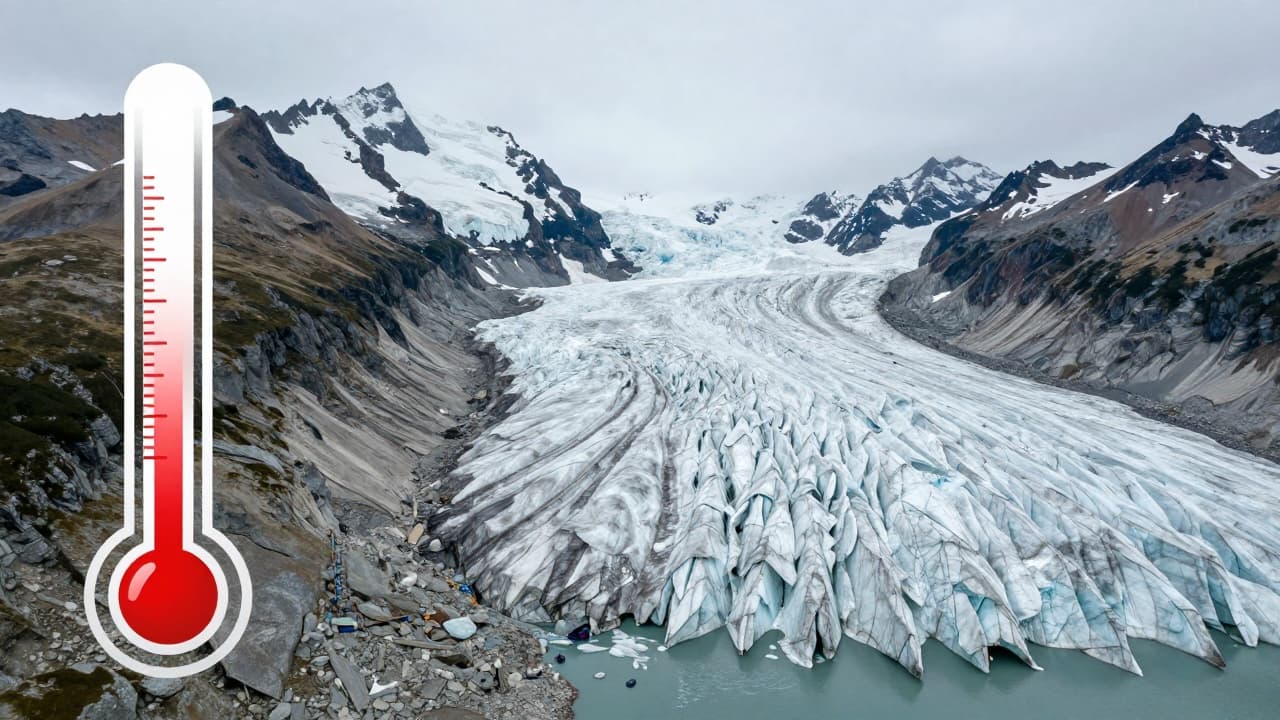
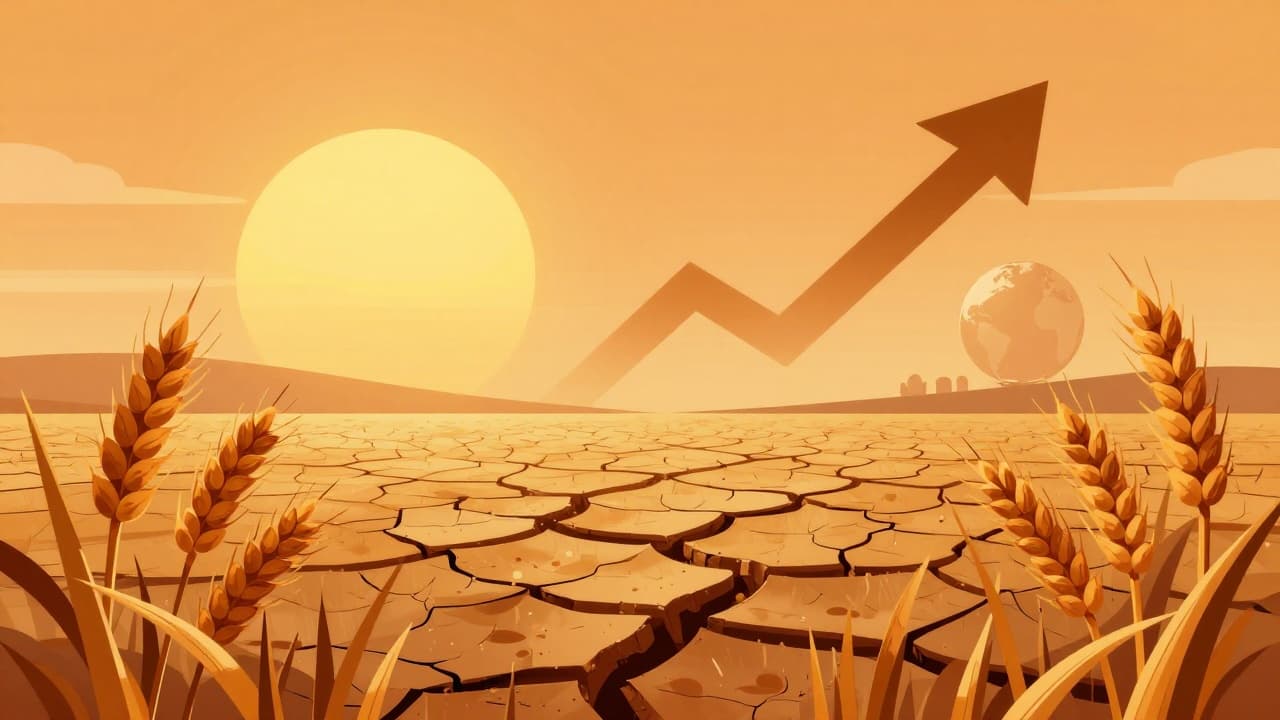
Scientists say that this El Niño is also a "postcard from our future" because it raises temperatures to a level predicted due to the climate crisis only for 20 years time. The World Food Programme (WFP) warned in August that the consequences of El Niño could lead to acute hunger for around 50 million people and cause price increases. The large El Niño of 1877 and 1878 caused more than 50 million deaths due to drought and hunger, with India, Brazil and China being the hardest hit.
Professor Friederike Otto from Imperial College London stated on Monday that the current El Niño represents a huge redistribution of energy in the climate system and is dangerous because it occurs on top of a significantly warmer climate system influenced by humans.