Belgium is facing the consequences of recent extreme weather, with a total of 2,935 excess deaths recorded. This figure, covering the period from 18 June to 16 August, indicates that heatwaves had a significant impact on public health, with overall mortality rising by 22.6 per cent compared to normal conditions.
The most severe period was recorded in the first half of the summer, specifically from 18 June to 3 July. During this period, maximum temperatures reached 30 degrees Celsius, with three days where the heat was particularly intense, reaching 35 degrees. The heat was particularly dangerous at night, as it did not allow the body to recover from the day's heat. It was during this period that the highest number of excess deaths was recorded, with a total of 2,035, representing the highest level of mortality recorded in this data analysis since 2000.
The second phase of the heatwave, lasting from 4 to 17 July, saw 535 additional deaths, accounting for 14.8 per cent of the total increase. The third period, from 28 July to 16 August, saw 365 excess deaths, accounting for 7 per cent of the total burden. Although these later periods differed in intensity, both contributed to the overall burden.
The analysis shows that the majority of heat-related deaths affect older people, those over the age of 65. However, it is important to note that excess mortality has also been recorded among younger people, indicating that heatwaves pose a risk to all age groups, although the elderly are statistically the most vulnerable group.
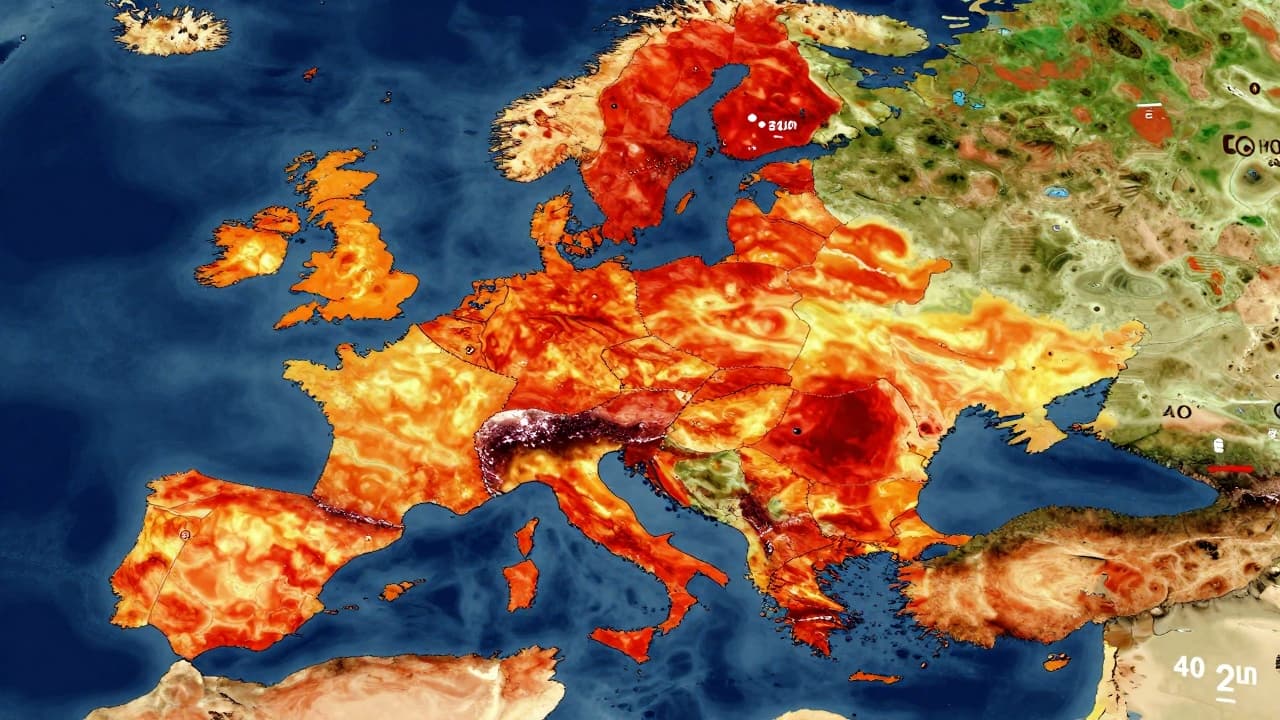
These figures reflect a wider European trend, with similar extreme weather events being recorded in several countries. Experts warn that such extreme periods, characterised by intense heat, are becoming more frequent, more intense and longer-lasting, highlighting the need for adaptation to climate change and strengthening health protection systems.