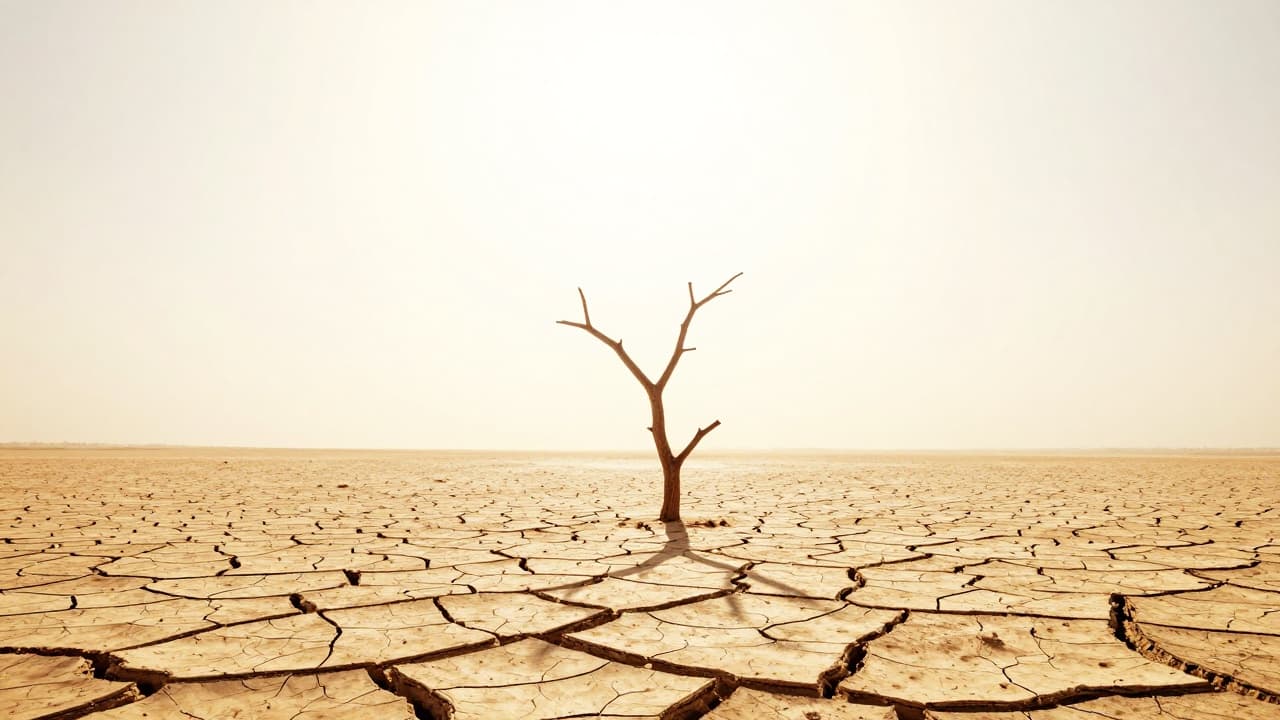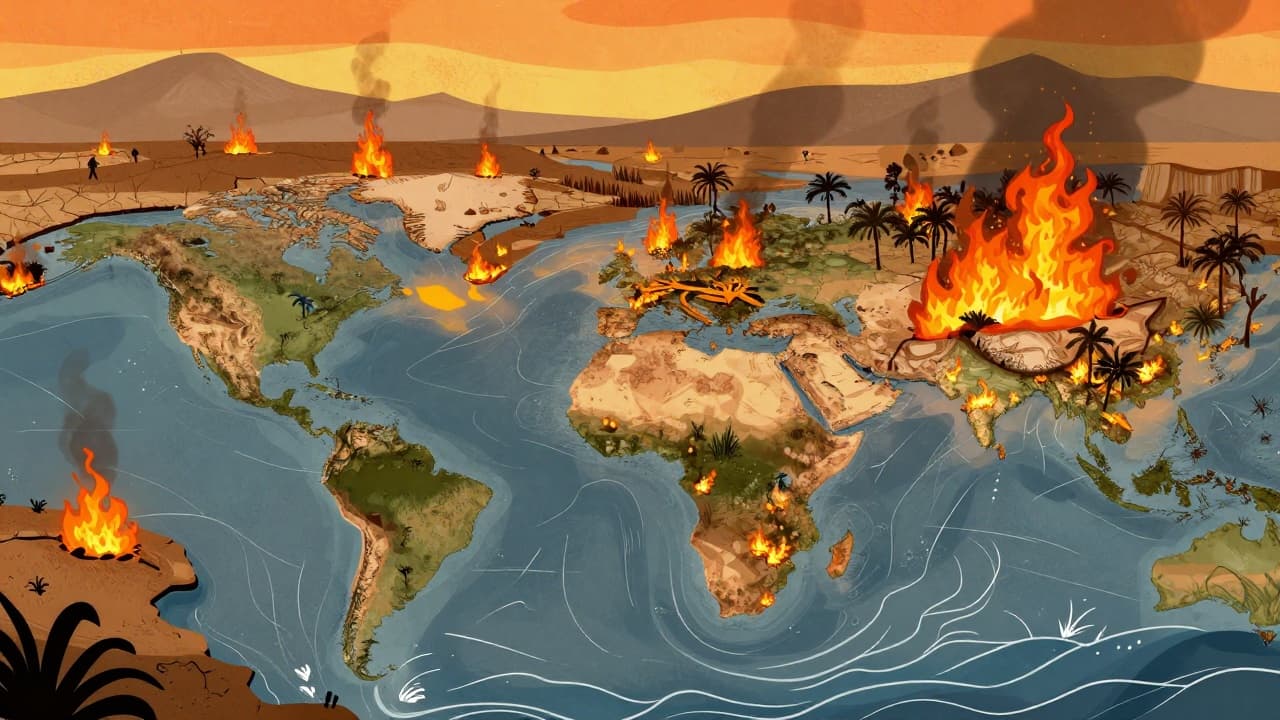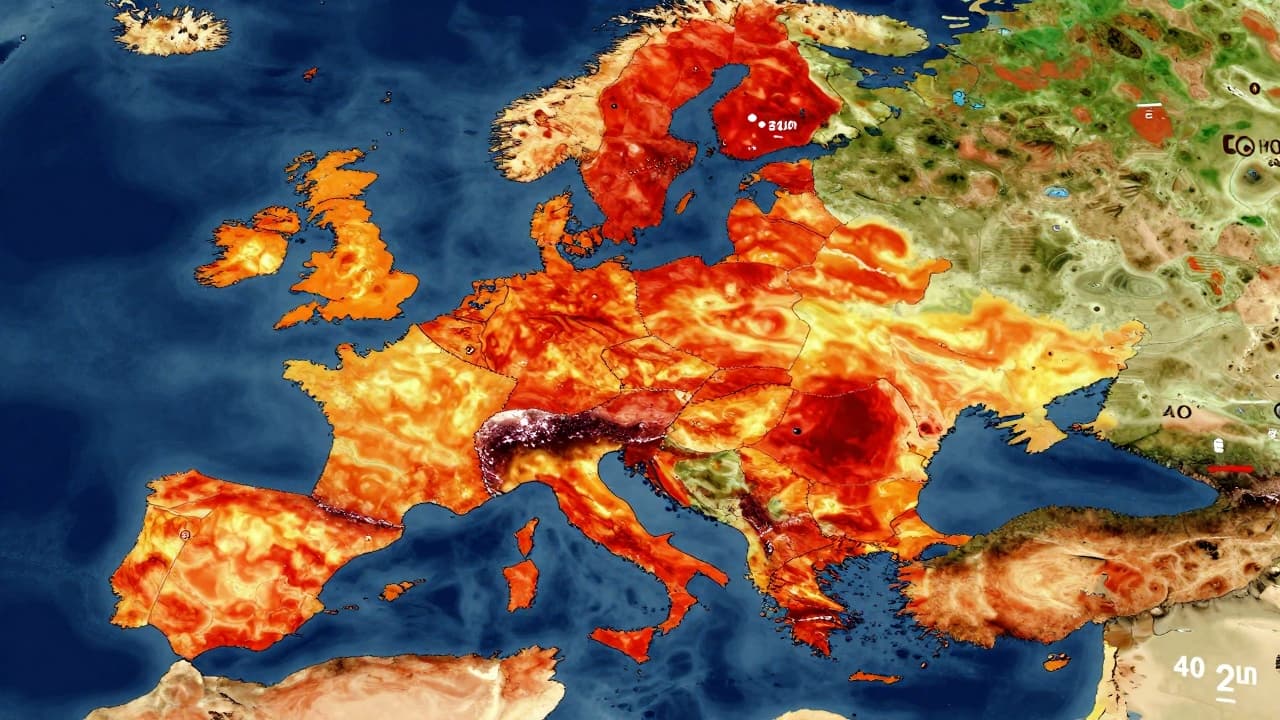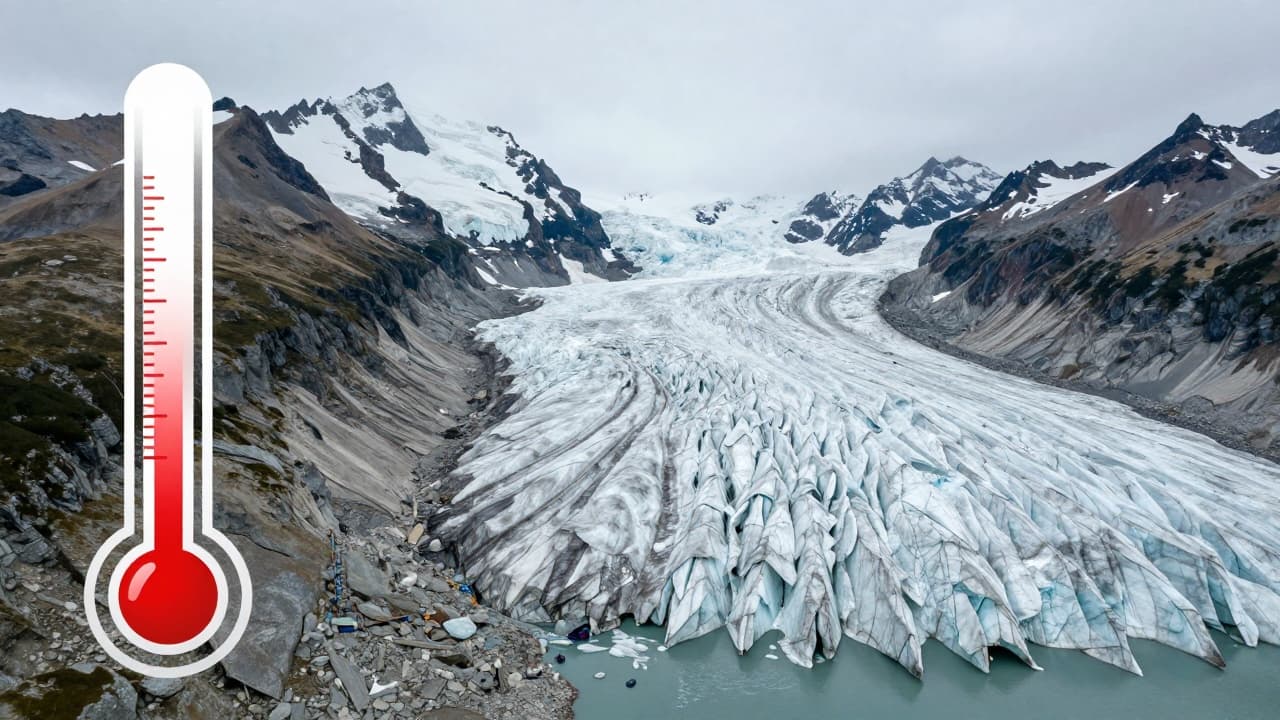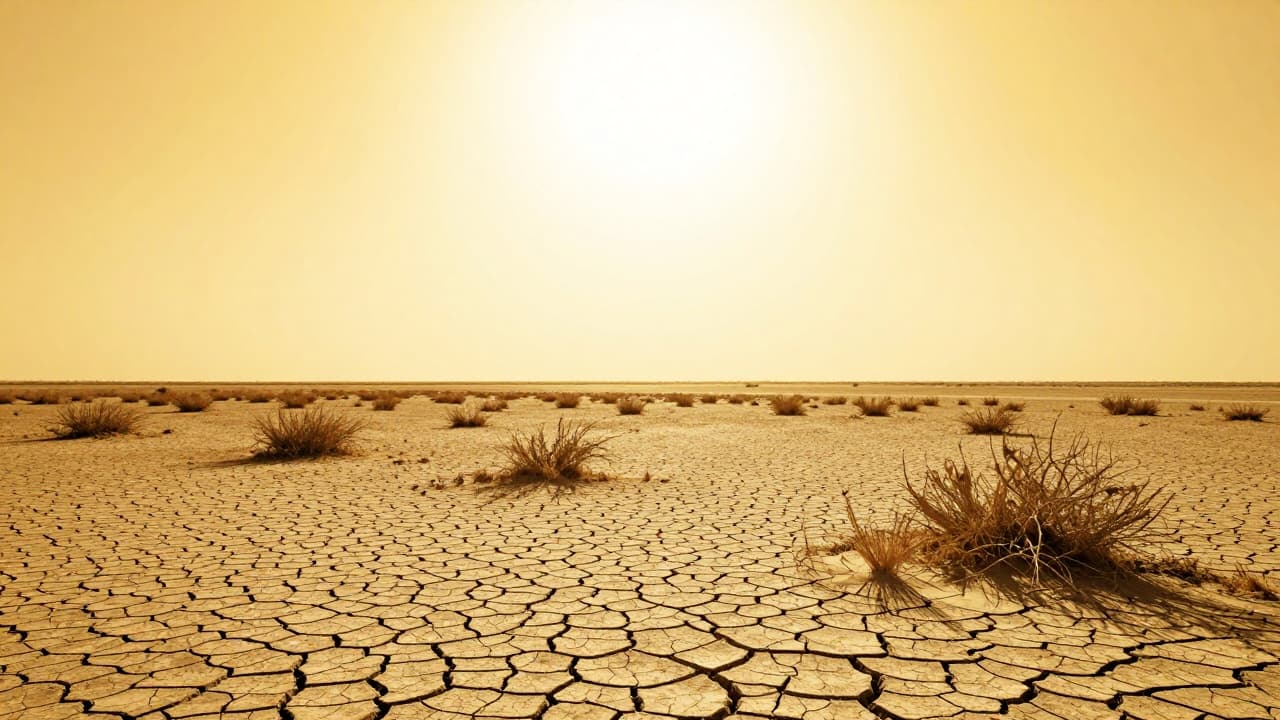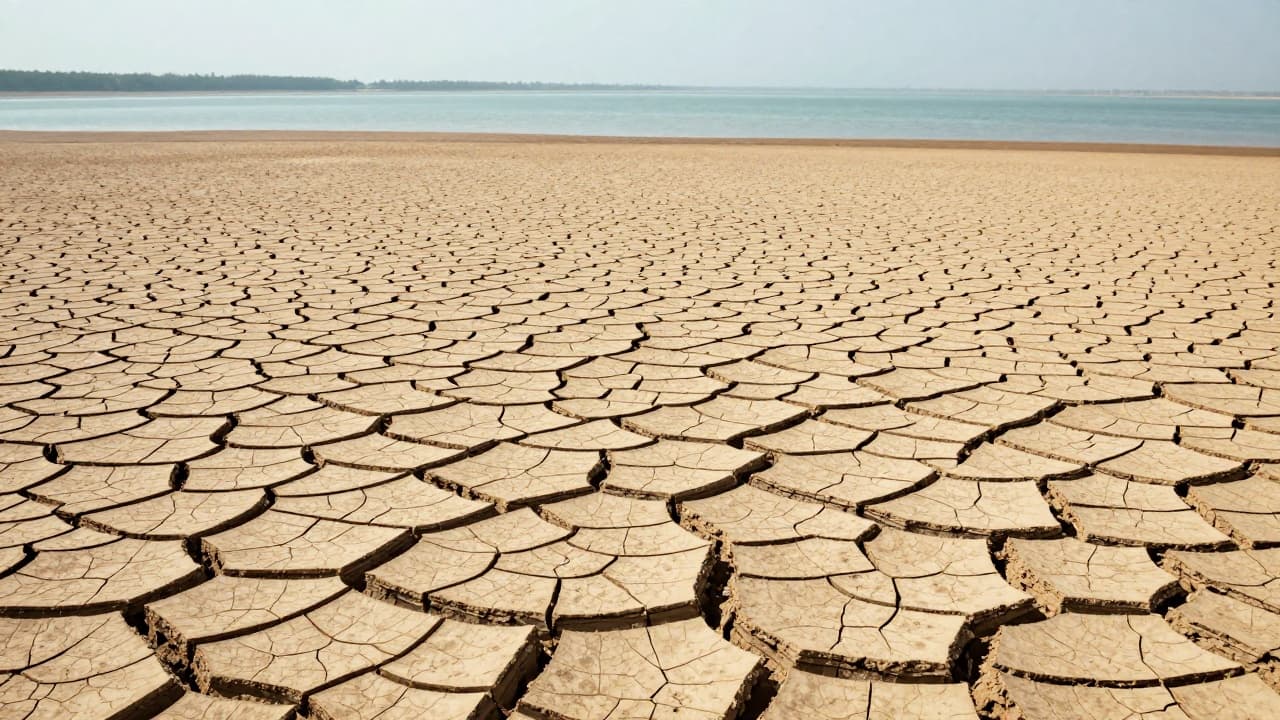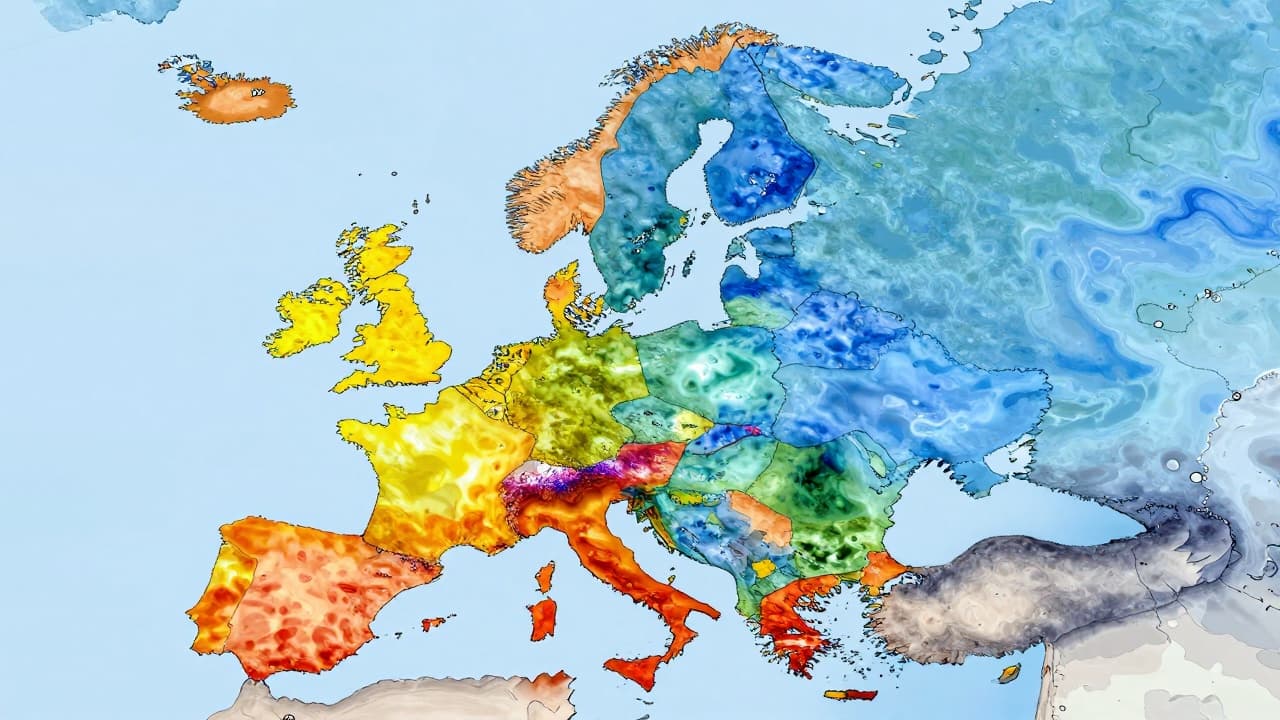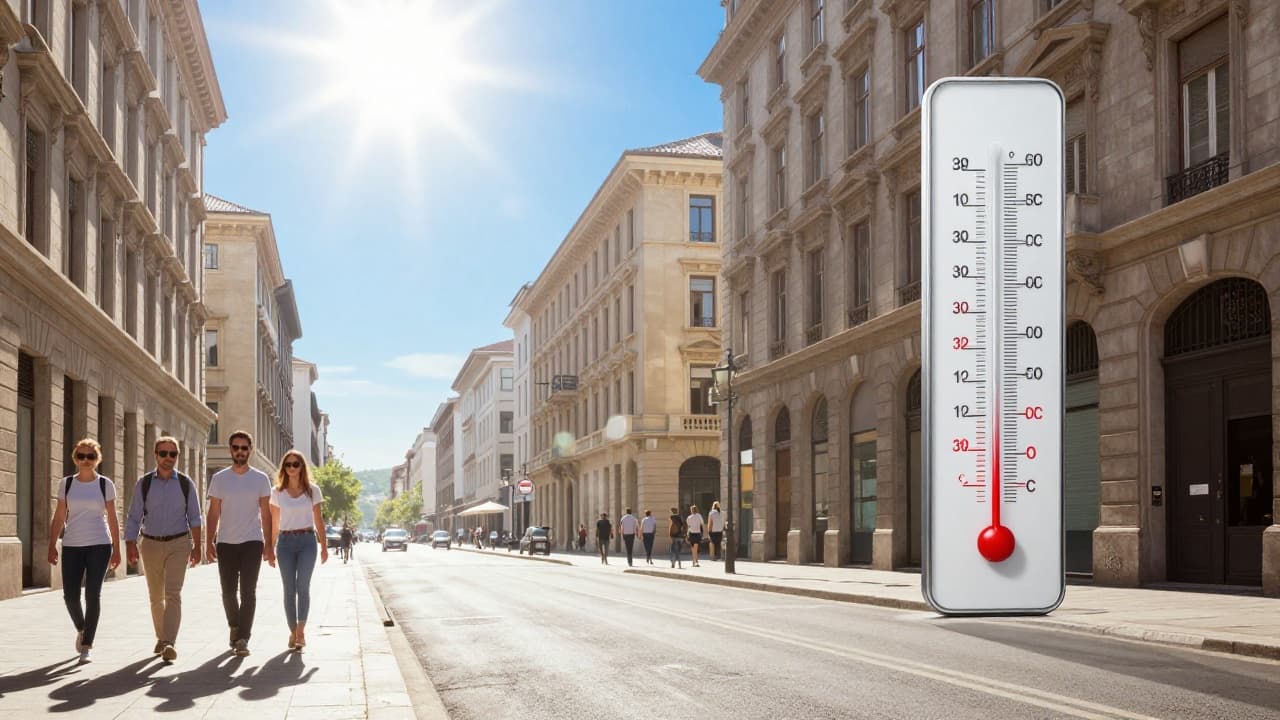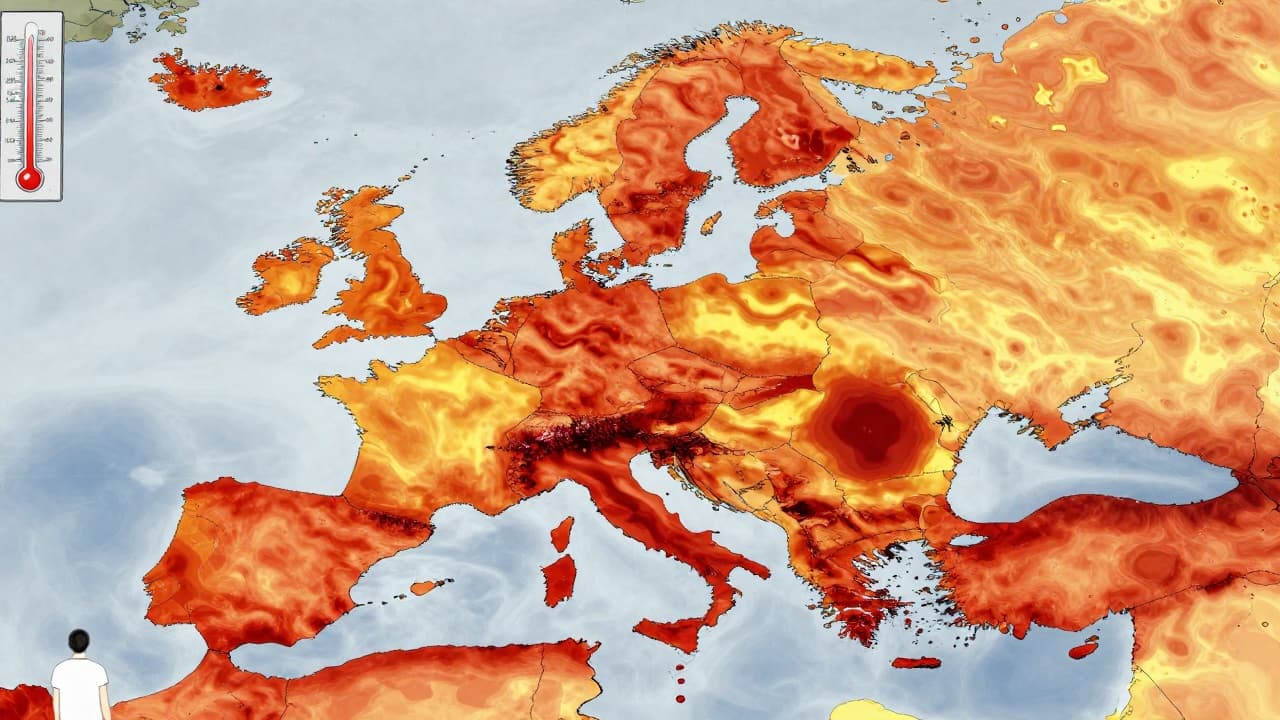

Large parts of Europe and Asia are currently facing record heatwaves, prolonged droughts and devastating fires that are causing humanitarian and ecological crises. In European countries during the heatwave at the end of June 2026, more than 10,000 excess deaths were recorded. These figures refer to total mortality from all causes exceeding the expected level for that time of year, indicating a direct impact of extreme temperatures on public health.
Such events are not isolated incidents, but part of a broader trend that has recurred in the past. During the summer of 2003, heat claimed more than 70,000 lives in Europe, making it one of the deadliest climate events on the continent to date. For 2022, 61,672 heat-related deaths were estimated, confirming that heatwaves remain a serious challenge for European health systems and society as a whole.
The increasing frequency and intensity of heatwaves are leading to a sharp rise in demand for cooling, which in turn strains energy systems. Cooling buildings accounts for nearly 10 per cent of global electricity consumption. The International Energy Agency estimated that the number of air conditioners worldwide could grow from 1.6 to 5.6 billion by 2050. This explosive growth in demand is putting pressure on grids and increasing greenhouse gas emissions if energy is not produced from renewable sources.
The uneven distribution of cooling capacity presents an additional social problem. A study published in 2021 in the journal Nature Communications estimated that by 2040, between 64 and 100 million households connected to the electricity grid in Brazil, India and Indonesia may need cooling but would not be able to afford it. This inequality highlights the need for sustainable solutions in urban planning and energy efficiency to protect the most vulnerable sections of the population from increasingly frequent extreme weather events.