New Zealand could face more frequent and intense heatwaves and catastrophic glacier melt in the near future, as greenhouse gas levels reach record highs, according to a new report on the country’s climate.
The Our Atmosphere and Climate 2026 report was published on Wednesday. It shows that New Zealand is experiencing increasing climate pressures that will have far-reaching consequences for the environment, native species, and communities.
According to the report, New Zealand’s average temperature has risen by 1.36 °C since measurements began in 1909. Seven of the ten hottest years on record have occurred in the last decade, the report states.
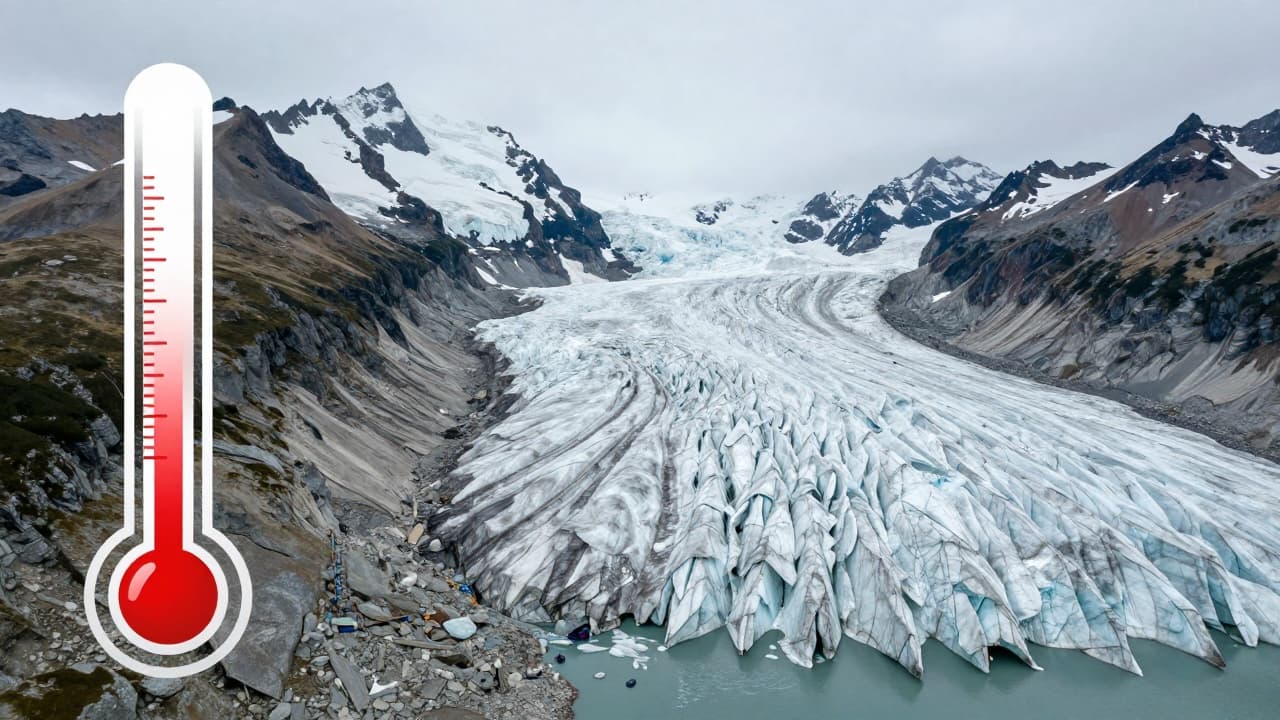
New Zealand has approximately 3,000 glaciers. Their volume has decreased from 56 cubic kilometres in 1997 to 30 cubic kilometres in 2023, the report shows. Modelling of glacier retreat indicates a high risk of further reduction in the future. In a low emissions scenario, glaciers are likely to lose between 14 and 86 per cent of their volume by 2100, while in a high emissions scenario, they could lose between 69 and 100 per cent of their volume by 2100.
Greenhouse gas levels have risen to record levels in New Zealand’s atmosphere, the report shows. Carbon dioxide concentrations have increased by 30 per cent since monitoring began in 1972. Methane levels also rose slightly in 2025, reaching the highest concentration ever recorded.
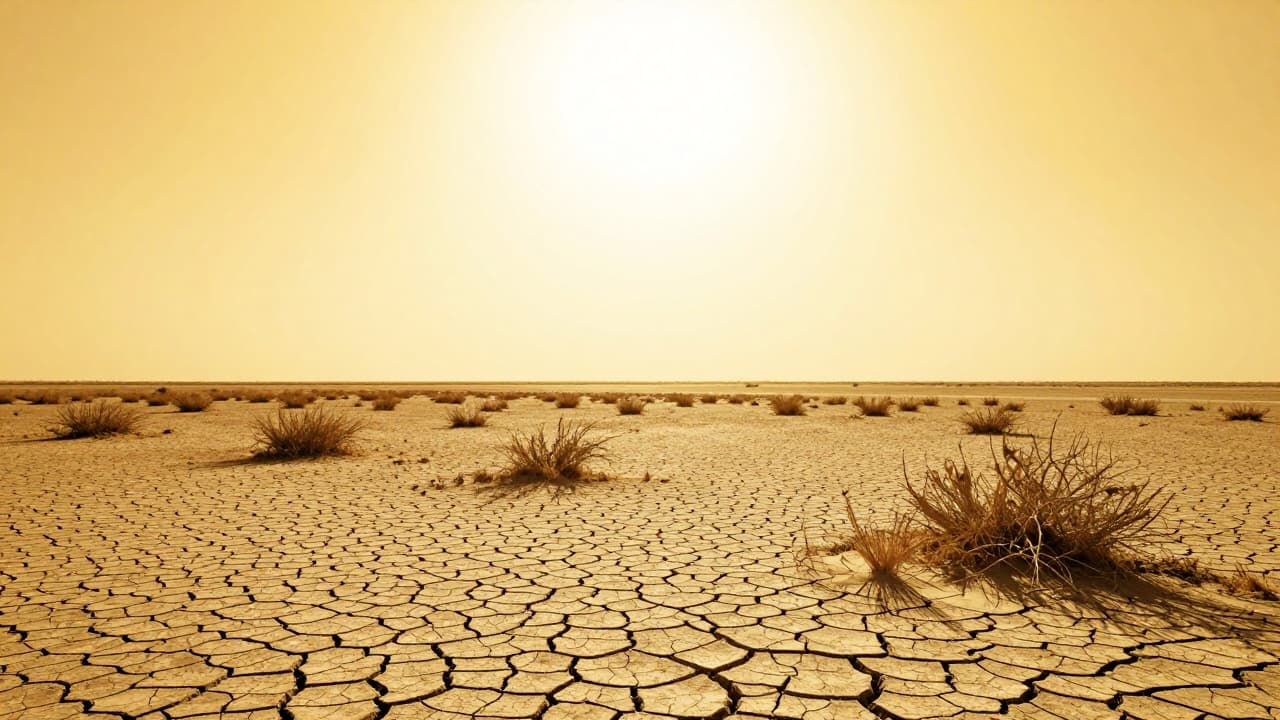
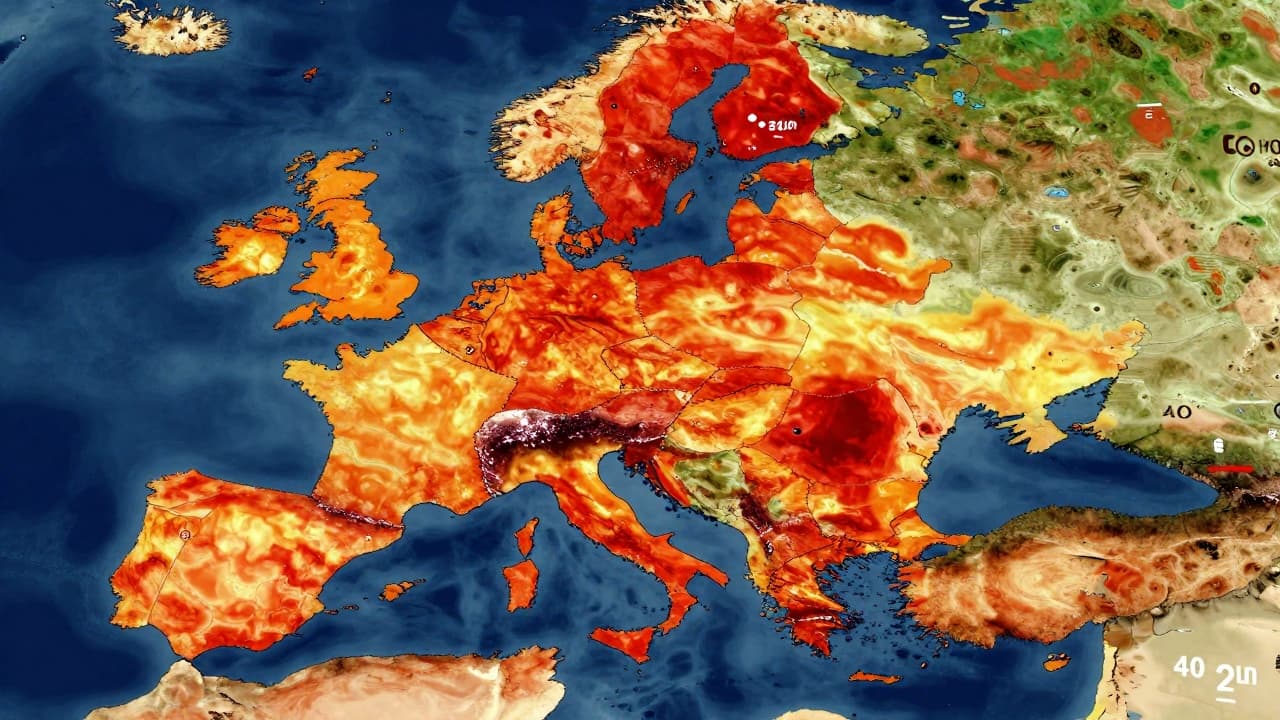
The report states that heatwaves are likely to increase in frequency, duration, and intensity across the country. The number of days with temperatures above 25 °C is also likely to increase by 2050, exposing people to heat-related health risks, including heat stress, heat-related illnesses, and psychological distress.
Marine heatwaves are also becoming more pronounced, affecting some native species, the report states. In 2025, data showed that New Zealand’s oceans are warming 3.4 times faster than the global average. Ocean warming is linked to mass bleaching of marine sponges, mass mortality of southern sea urchins, mass stranding of fish, and mortality of penguins.
The three-year report by the Ministry for the Environment and Stats NZ combines statistics, data, and research from five areas: air, atmosphere and climate; fresh water; land and sea. Dr Alison Collins is the chief scientist for the Ministry for the Environment, responsible for cities, environment, regions, and transport.
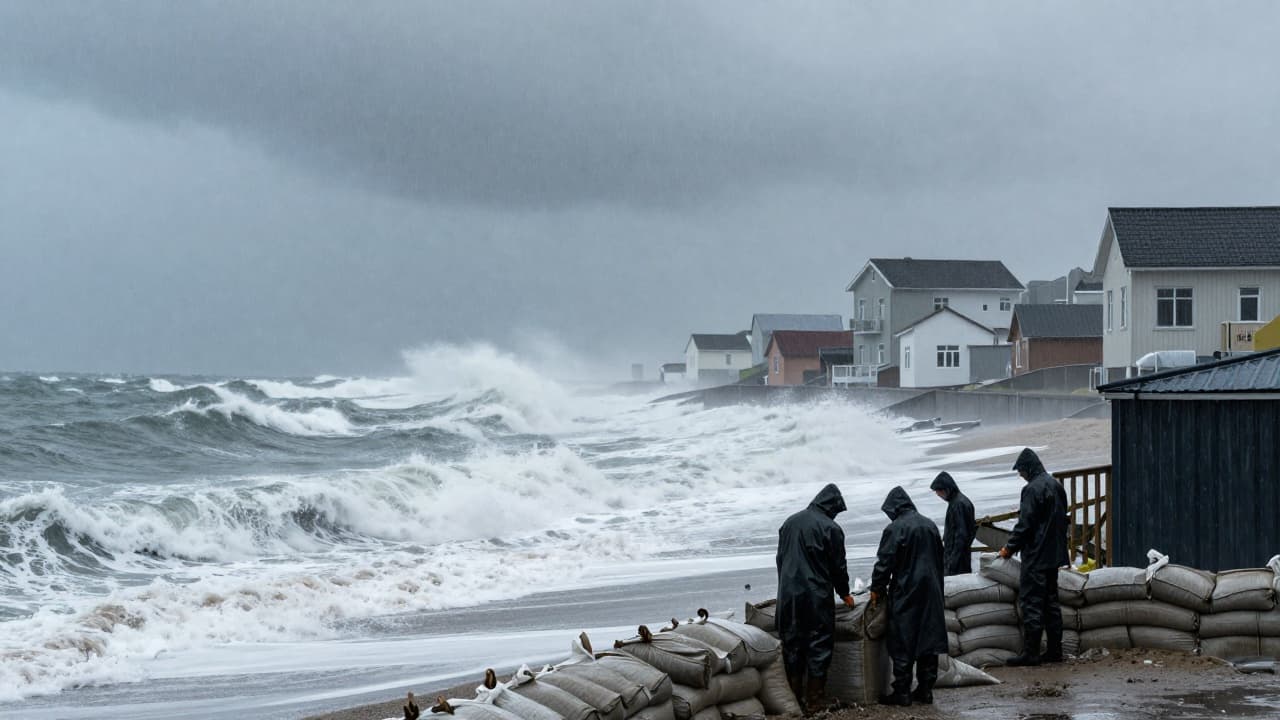
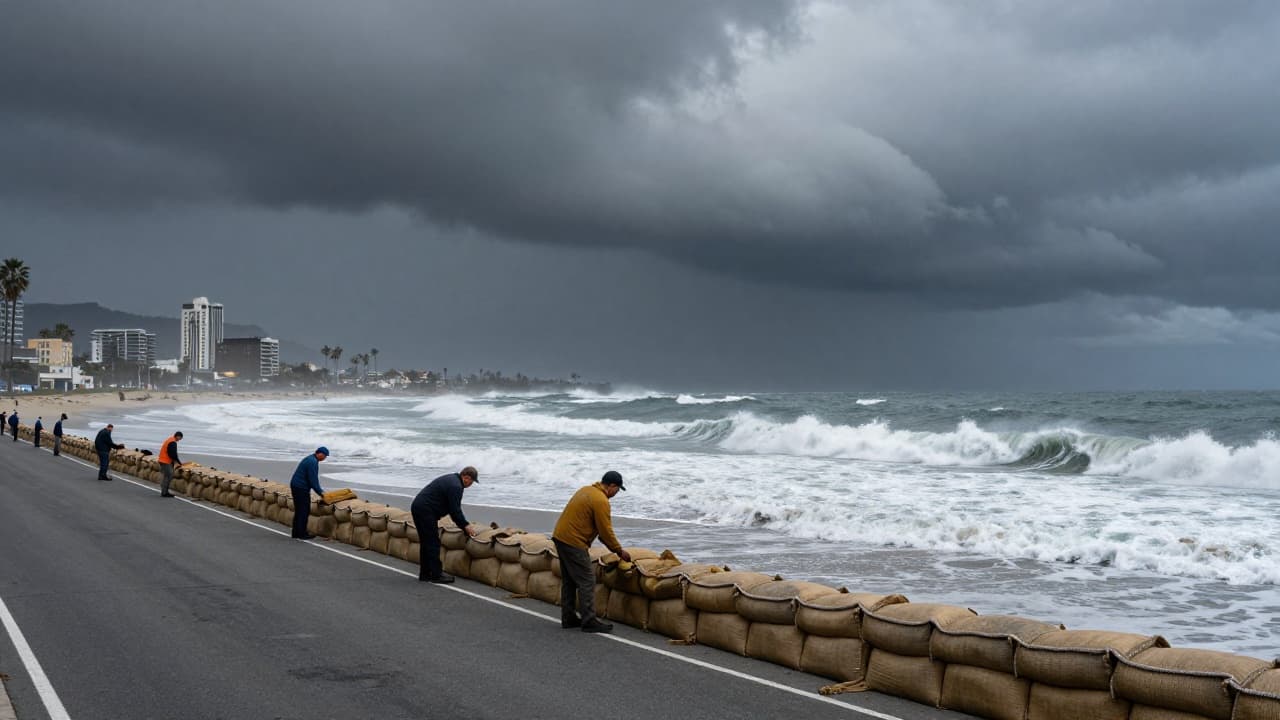
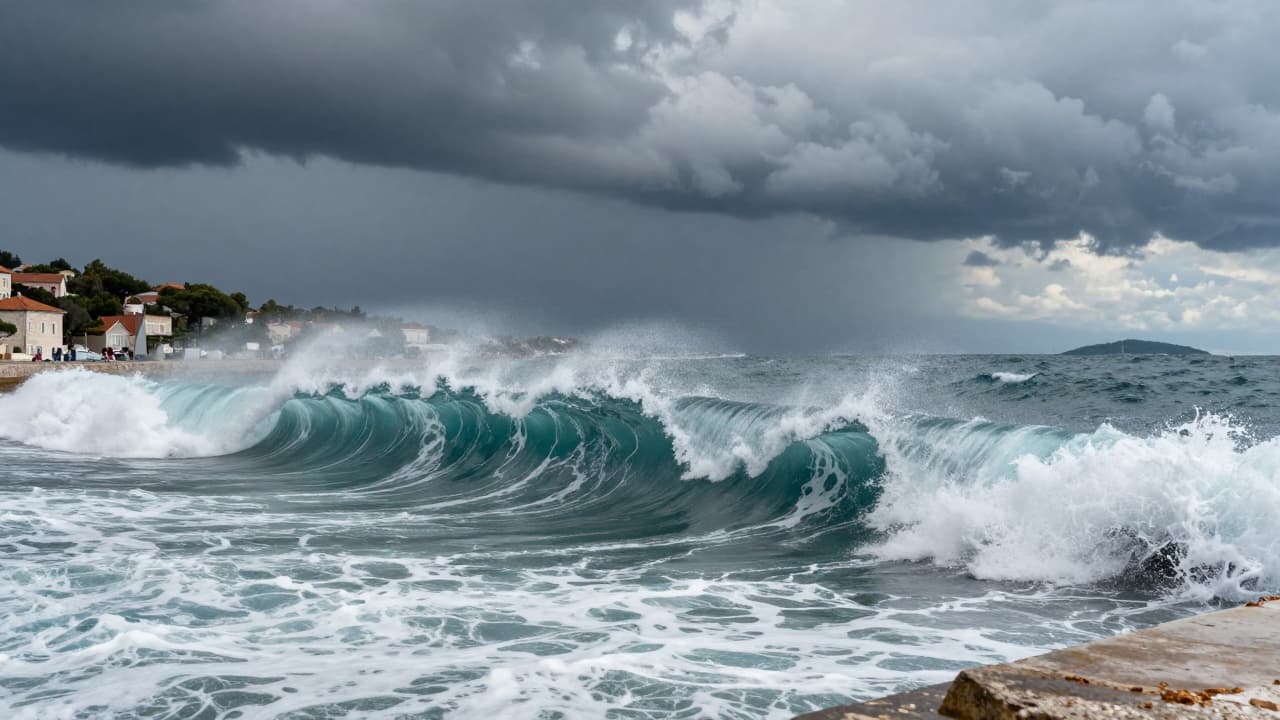
The report outlines a range of issues arising from further warming, including devastating storms and cyclones that pose a threat to life, droughts affecting species and agricultural activities, sea-level rise eroding infrastructure and residential areas, and reduced access to culturally significant sites for Māori communities. Strong storms, including Cyclone Gabrielle and the Auckland floods of 2023, have hit New Zealand in recent years, causing fatalities, widespread damage, and costs in the billions of dollars.