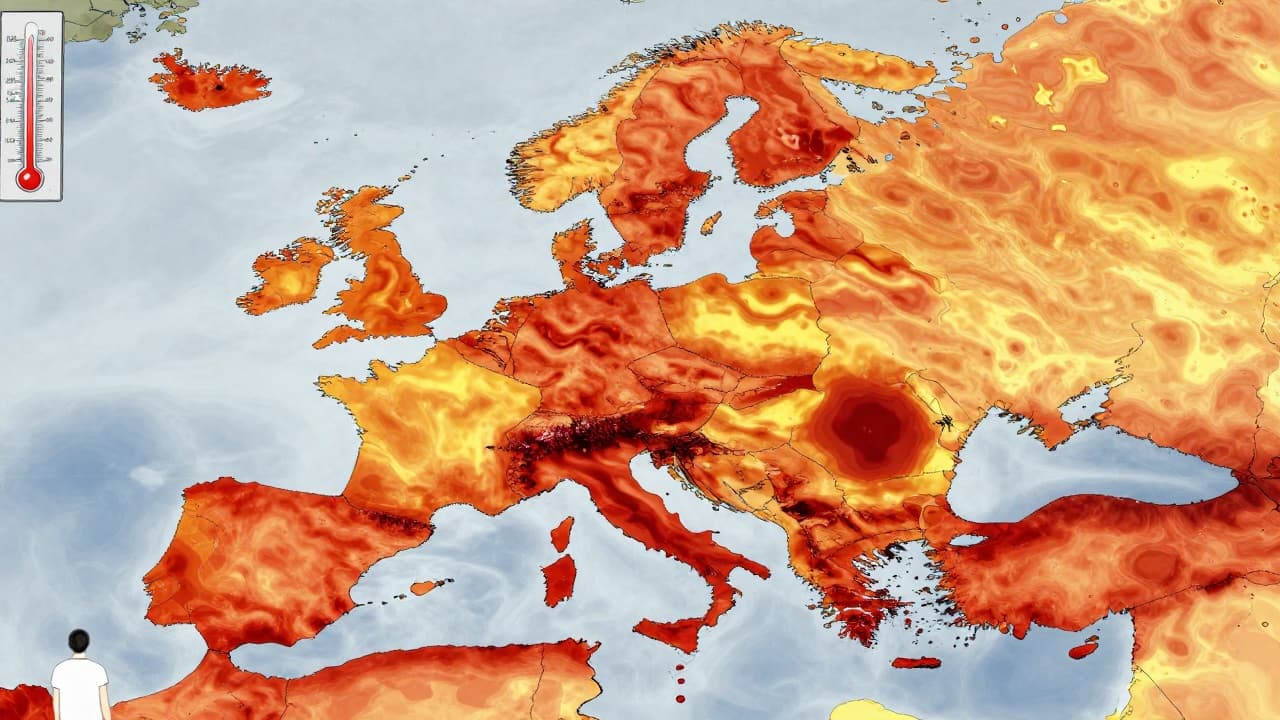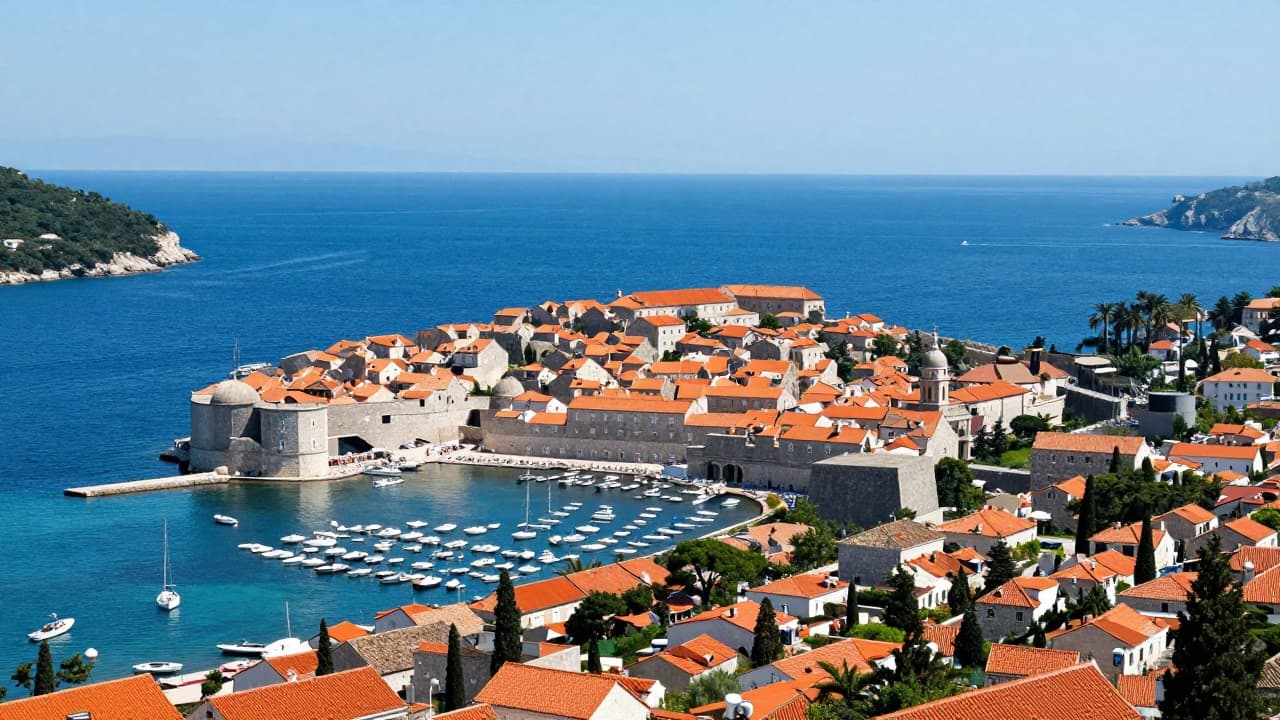
The world's oceans are recording record warming, with the trend particularly pronounced in the Adriatic: temperatures that used to be measured only at the peak of summer have appeared as early as June this year, experts warn in an article by N1.
Oceanographer Mirko Orlić notes that 50 years ago, the highest temperatures in the Adriatic were recorded in August and were around 25 degrees Celsius. Today, summer maximums regularly reach 27 degrees, with such values arriving significantly earlier this year.
The main causes are long-lasting heatwaves and the fact that the Mediterranean, along with the Adriatic, is warming twice as fast as the world's oceans. During stable high-pressure systems, the wind is weak, reducing evaporation and the mixing of seawater, processes by which the sea naturally cools.
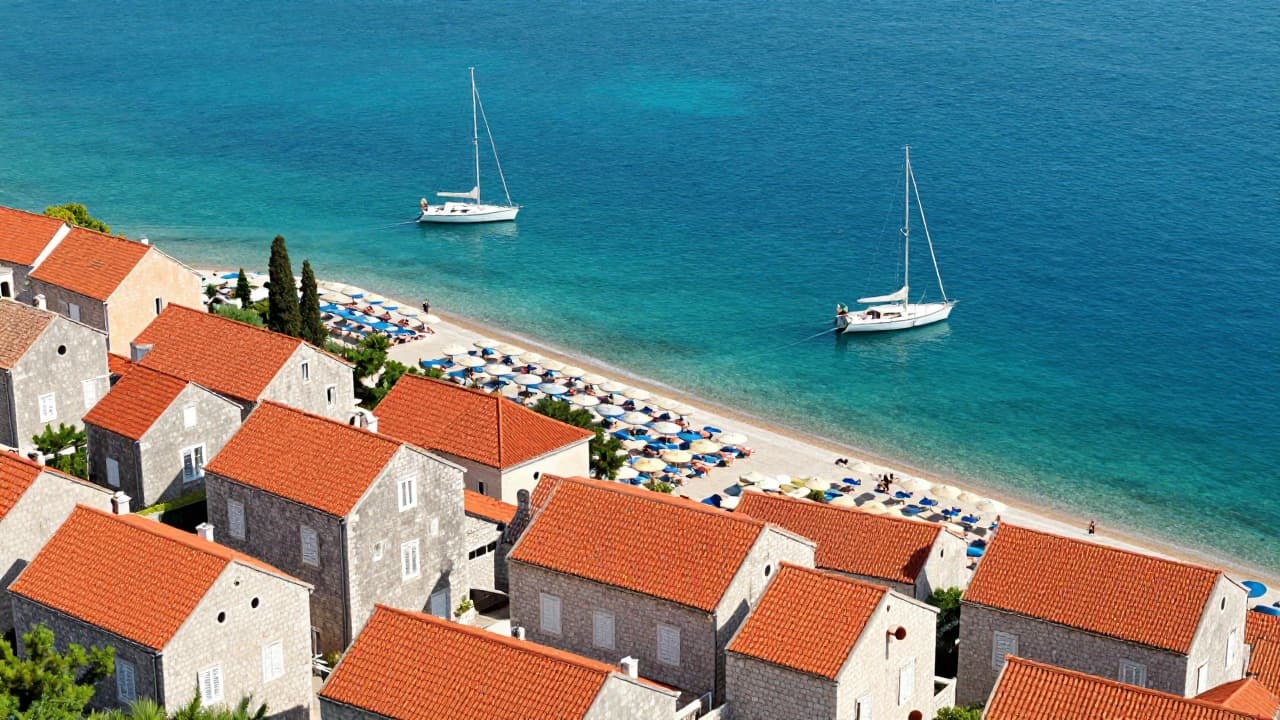
For swimmers, warmer sea water means less refreshment. Combined with hot air, high sea temperatures increase heat discomfort on the coast, making time spent on the beach in July and August increasingly strenuous.
The changes could force the tourism sector to adapt. Studies indicate that extreme summer heat will reduce the appeal of the Adriatic in the peak of the season, diverting some guests to cooler European destinations. At the same time, the off-season and shoulder season could grow strongly, as the sea remains warm enough for swimming outside the main summer months.
The consequences do not stop at tourism. The warming of the shallow, semi-enclosed Adriatic is already causing the death of native organisms and the spread of tropical fish species that are displacing the local stock. If long periods of heat and weak wind continue, experts warn that the Adri Sea could reach new historical temperature records by the end of the summer.