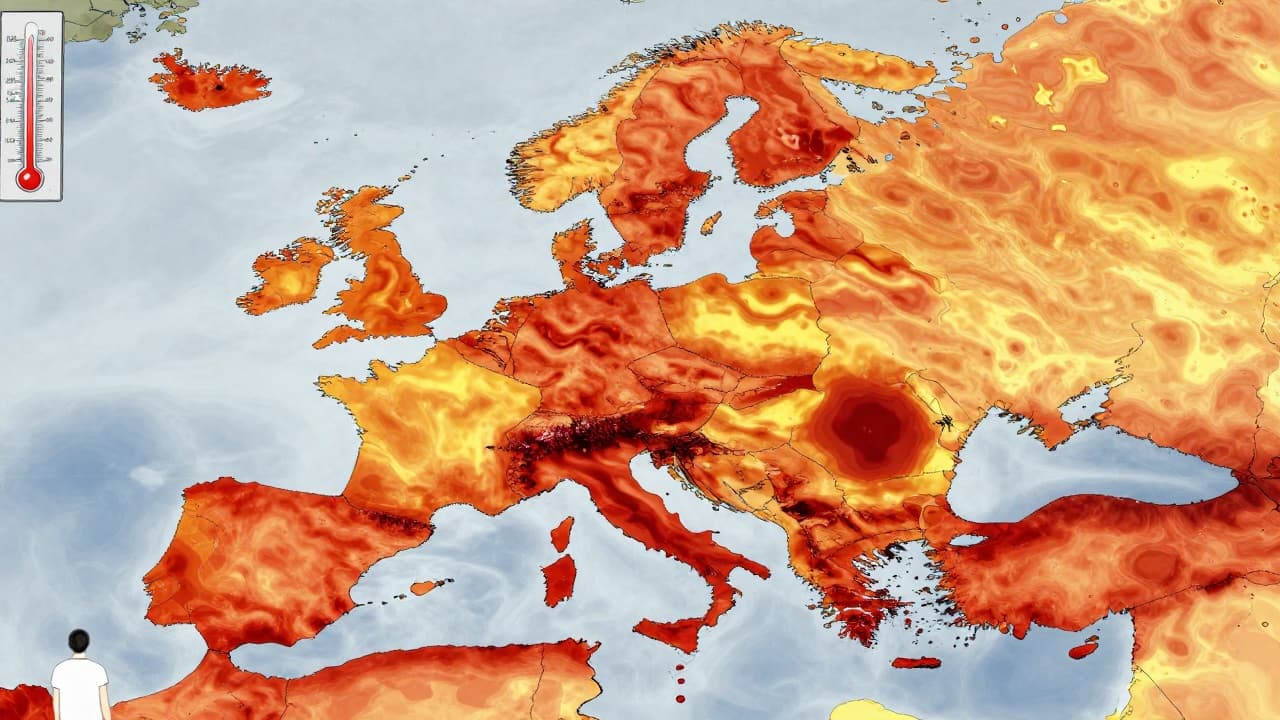

High temperatures affect not only the body but also mood. During hotter days, the number of cases of aggressive behaviour, road rage and violence rises, warns clinical psychologist Susan Albers. Research also records more visits to the emergency department due to mental health issues during periods of high heat.
The reason is partly physiological: the brain expends extra energy to maintain body temperature, leaving less capacity for calm, concentration and emotional control. Constant physical discomfort further exacerbates irritability, and mild dehydration affects the parts of the brain responsible for attention, decision-making and emotion.
The World Health Organization recommends drinking at least two to three litres of water a day, or roughly a glass of water every hour. Cool drinks, a cold cloth and ice packs applied to areas where blood vessels are closer to the skin — the neck, wrists and ankles — can also help. A change of environment is recommended in the event of a sudden surge of irritability or anxiety.
The tropical nights pose a particular problem, as the temperature does not drop below 20 degrees, meaning the body does not have time to recover. Those with anxiety, depression and other mental health issues, as well as those taking certain medications such as antidepressants, stimulants, antihistamines and blood pressure medication, are more vulnerable.