Znanstvenica Natasa Dunic with the Institute of Oceanography and Fisheries warns that climate change and specific weather conditions create favourable conditions for more frequent occurrences of meteotsunamis in the Adriatic region. According to her research, warmer sea water in combination with strong atmospheric fronts significantly contributes to the occurrence of this phenomenon, which poses a serious threat to coastal areas.
This year, the institute’s stations have recorded meteotsunamis at several locations, including Mali Losinj, Stari Grad and Vela Luka. Although a slightly higher number of occurrences has been observed compared to previous periods, Dunic stresses that it is too early to draw final conclusions about a permanent increase in the frequency of these events. However, it is estimated that the conditions leading to the formation of meteotsunamis may become more frequent in the future.
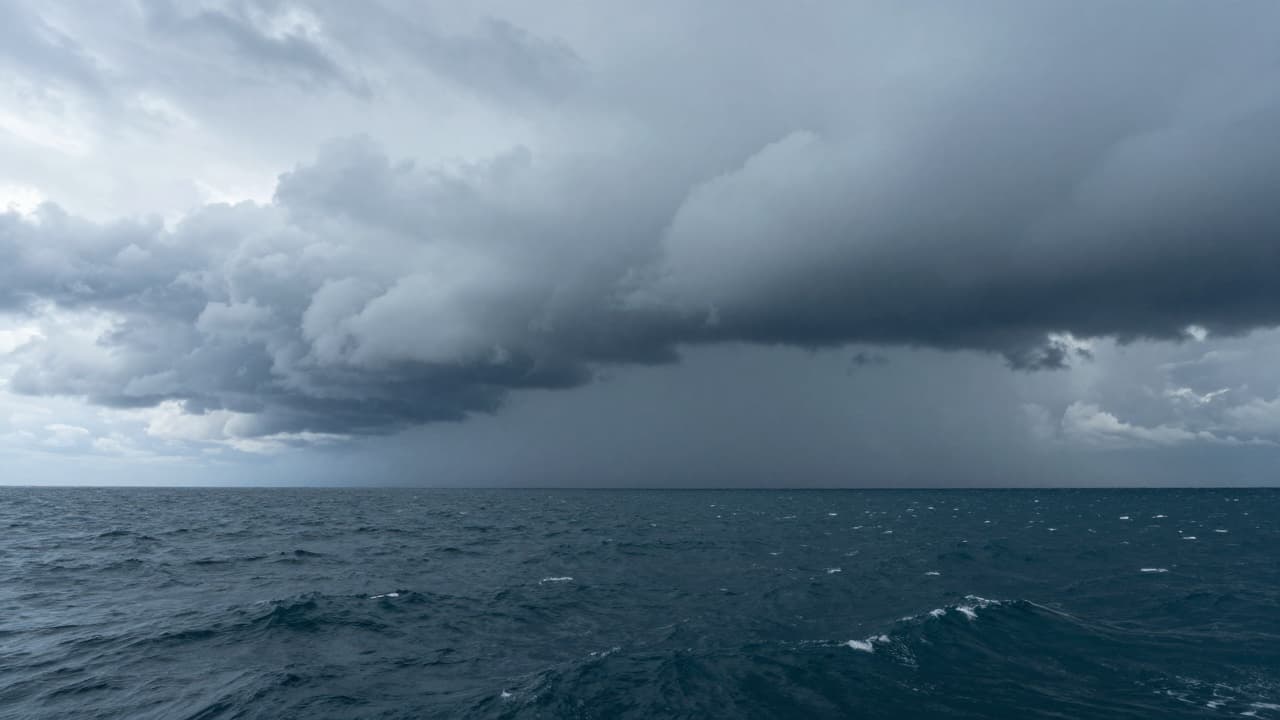
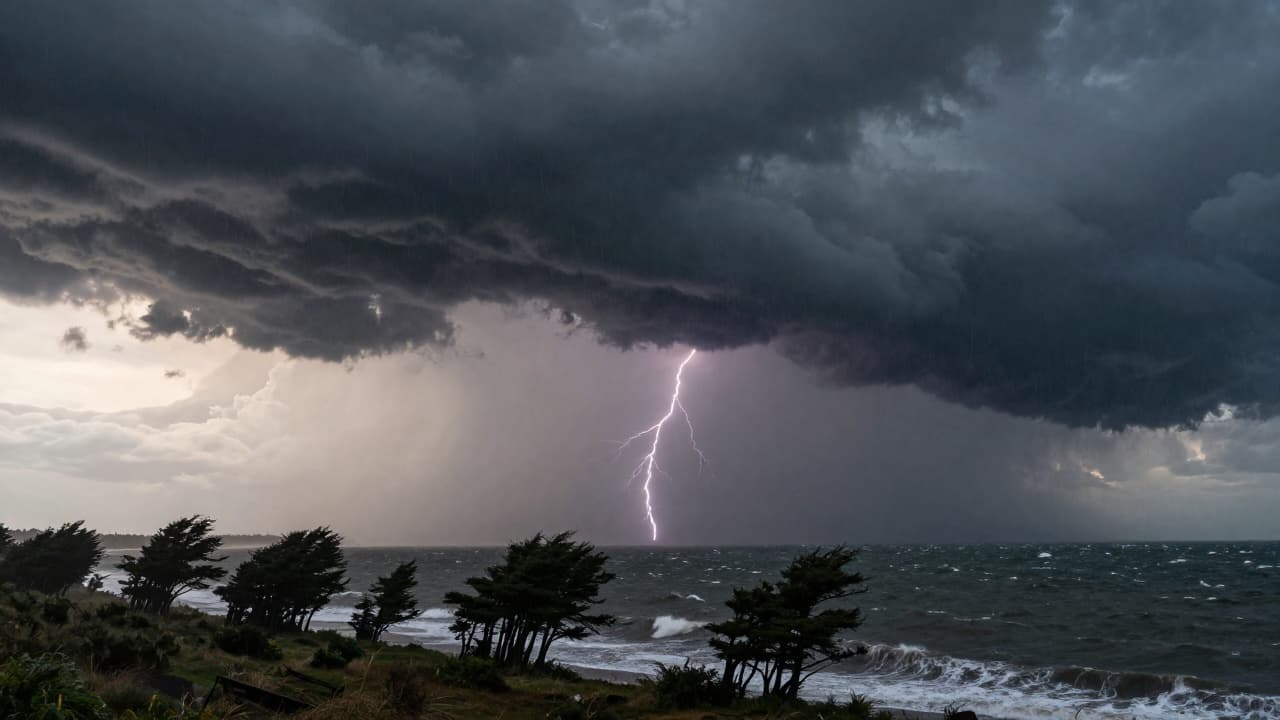
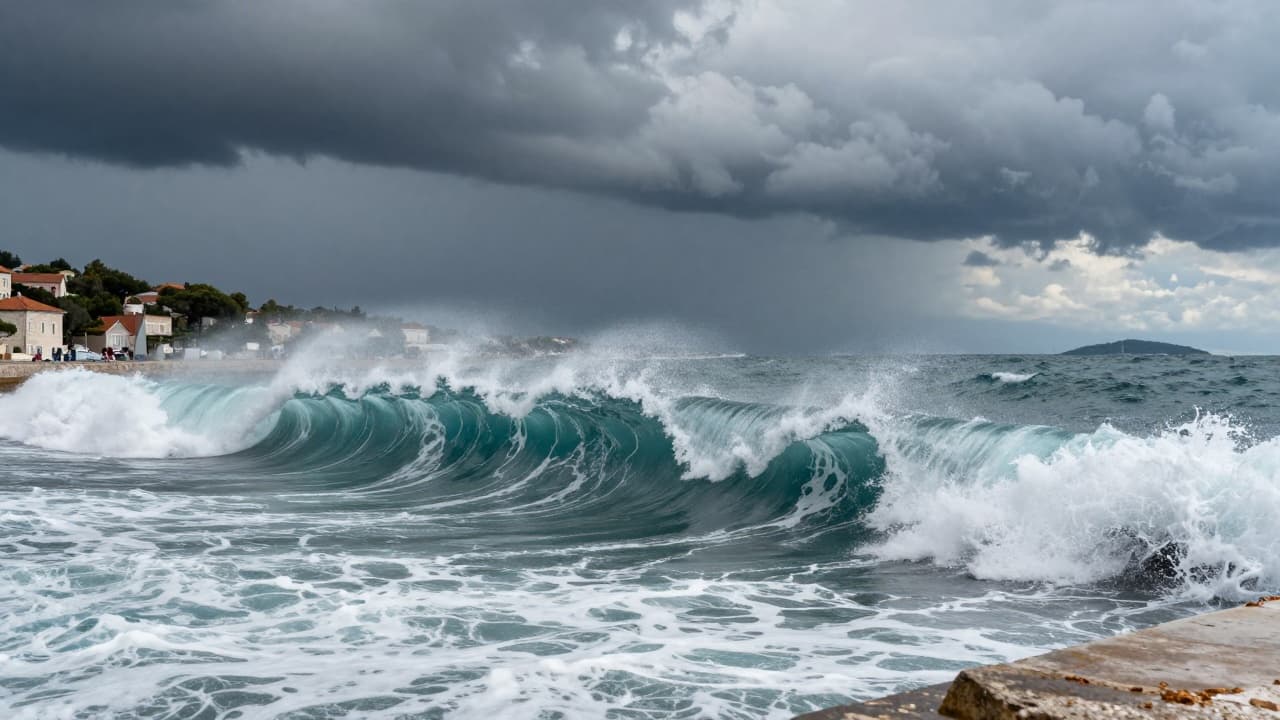
A meteotsunami occurs as a result of sudden changes in atmospheric pressure and strong weather systems. The passage of a large front through a specific area causes oscillations in air pressure, which in turn can trigger a meteotsunami. Unlike classical tsunamis, which are caused by earthquakes or underwater landslides, meteotsunamis are of purely atmospheric origin, yet they can cause similar destructive effects on the coast.
Such disturbances can trigger significant oscillations in the sea, manifesting as a sudden withdrawal or rise in water levels in ports and bays. This phenomenon, known as 'bura on water', can be extremely dangerous for navigation and port infrastructure, as the water level rises or falls very quickly, often without sufficient time for evacuation.
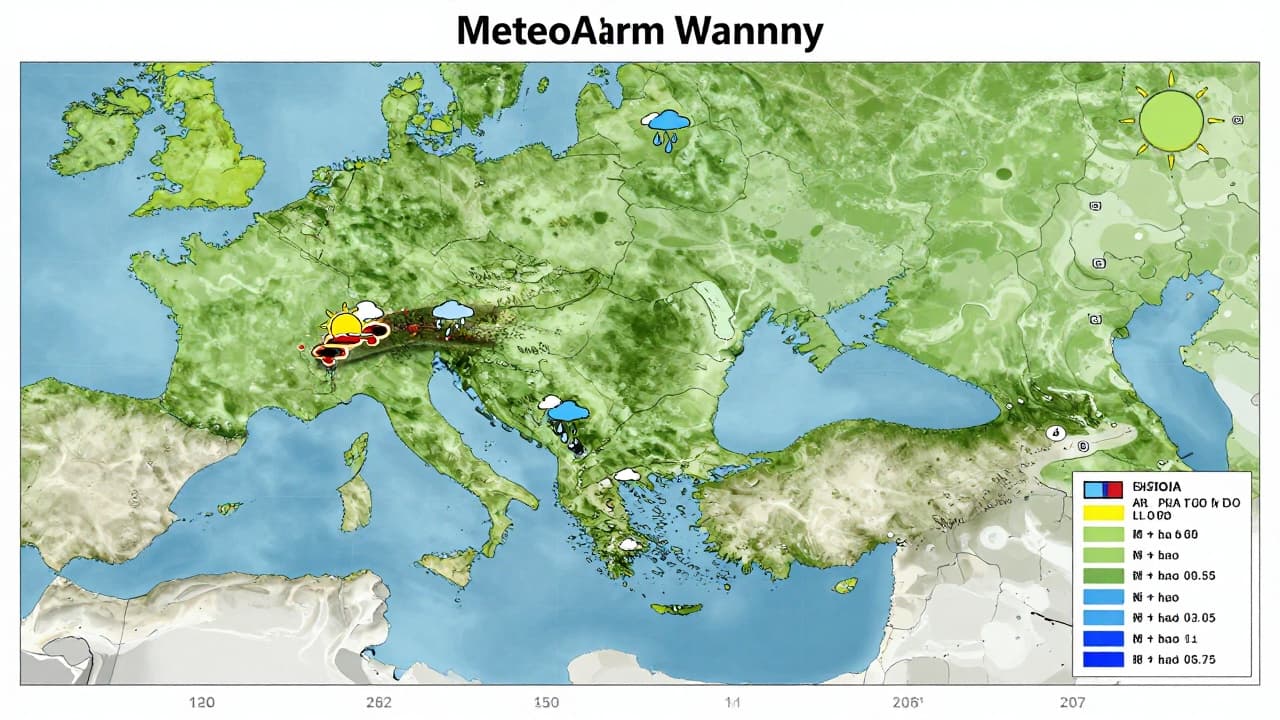
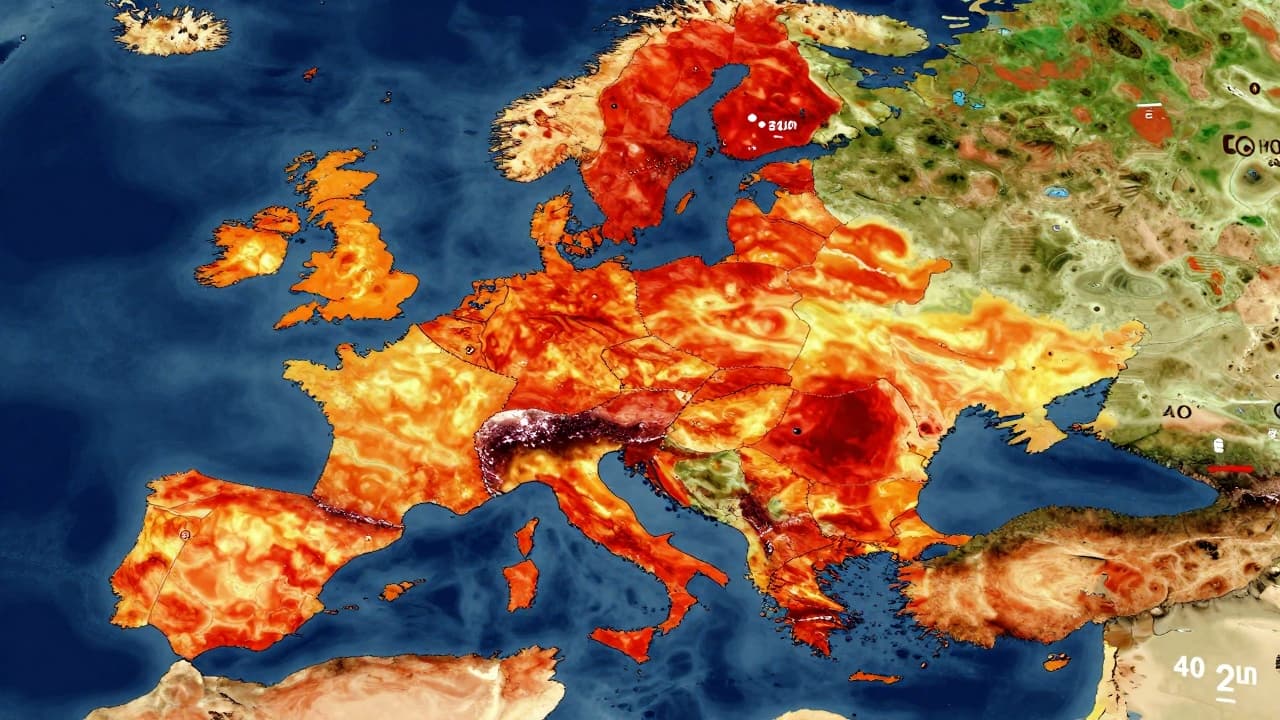
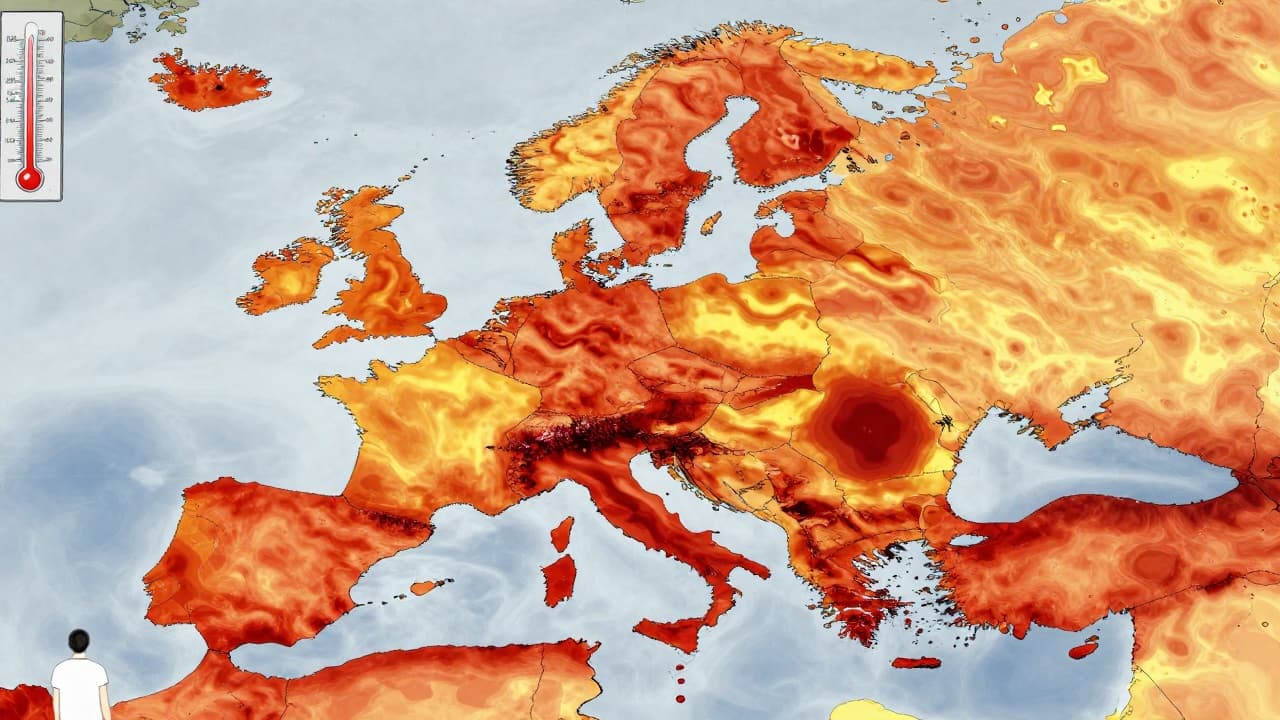
The scientist further warned of a marine heatwave affecting the Mediterranean, for which a warning has already been issued by the Copernicus environment monitoring service. Sea surface temperature in some areas is more than three degrees above the average for this time of year, confirming the trend of sea warming.
In the Adriatic, record sea surface temperatures are currently being recorded, which is directly linked to the development of large storms associated with meteotsunamis. The warm sea leads to the intensification of atmospheric systems, thereby increasing the risk of occurrence of these specific waves. Experts are monitoring the situation to better understand the long-term trends and potential consequences for the Croatian coast.