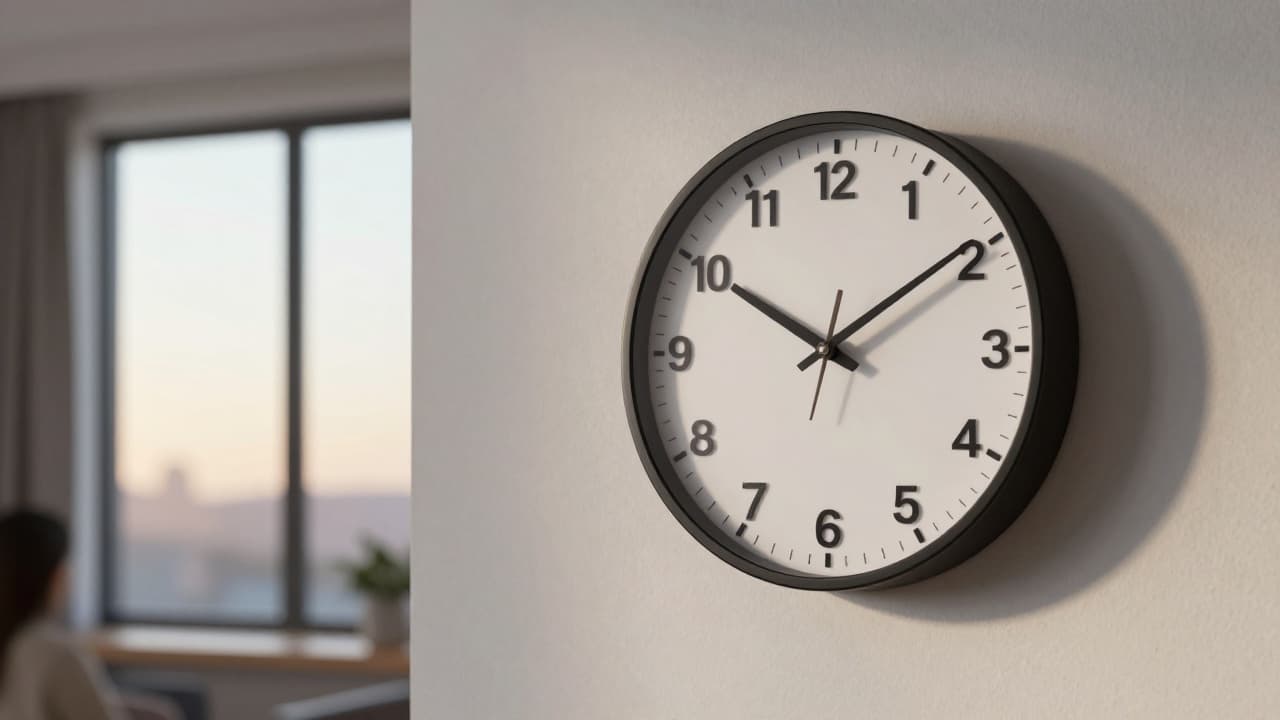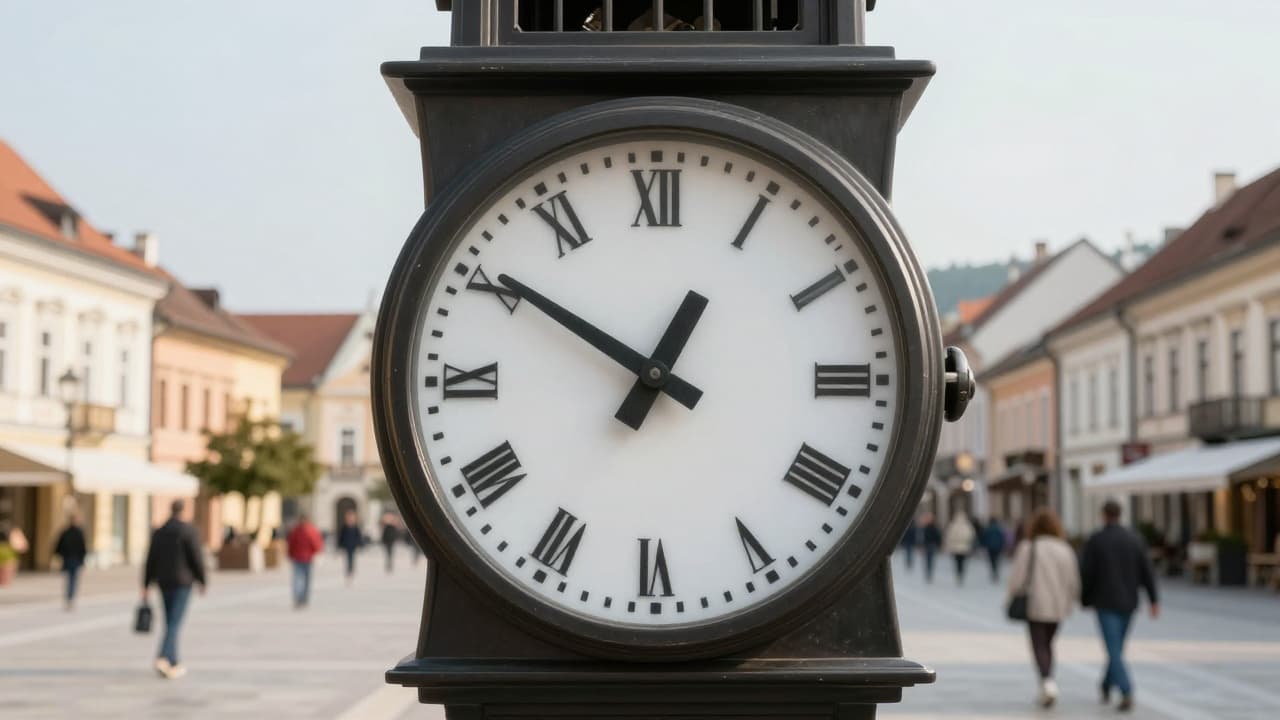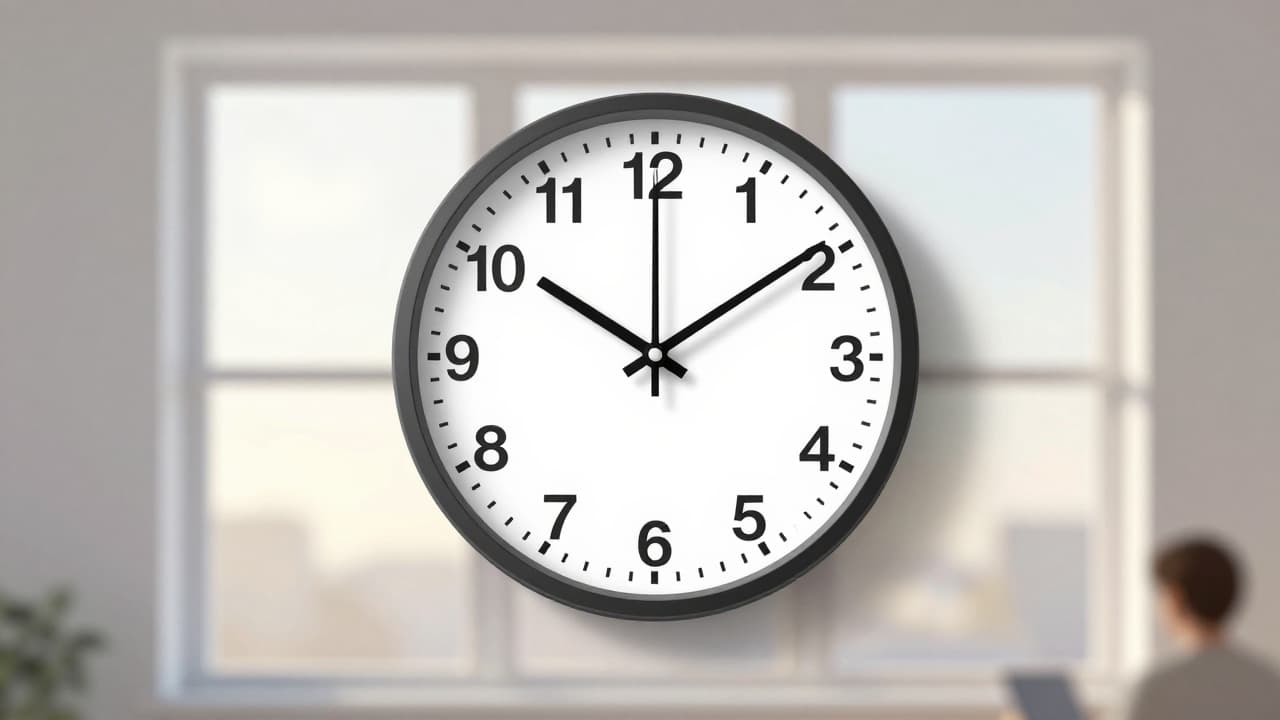
The switch to winter time takes place in the night from Saturday to Sunday. Clocks will be turned back from 03:00 to 02:00, meaning people will sleep for an extra hour.
Economist Ljubo Jurčić warns that the former benefits of changing the time have almost vanished today, while the negative consequences remain. He explains that changing the time once made economic sense due to savings on lighting, but technological progress has reduced those savings to a minimum.
"Perhaps it was some kind of saving in the past, but technological progress has minimised that saving," Jurčić said. Modern lighting consumes significantly less electricity than a few decades ago, and daylight has no significant impact on the consumption of machines and transport vehicles.
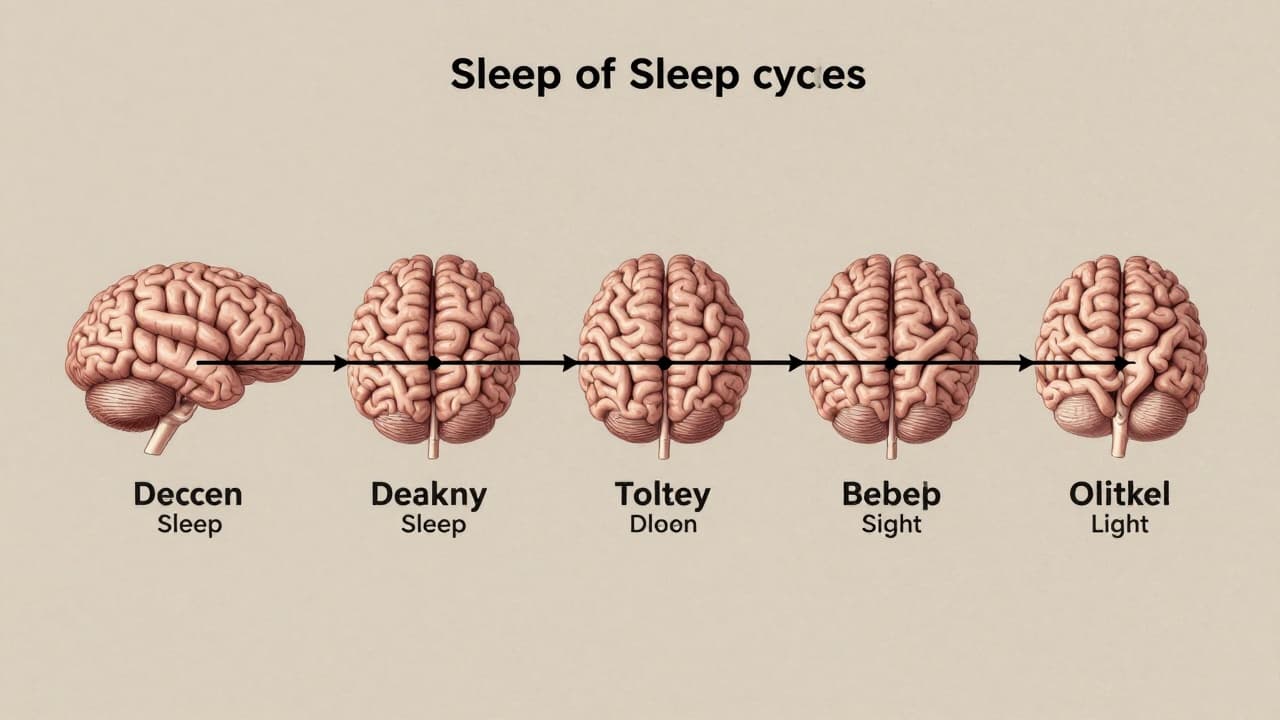
On the other hand, the negative consequences persist. Sleep disturbances can increase health costs, and reduced concentration can contribute to accidents in traffic and in the workplace. "When people's biorhythm is changed, they are less attentive and concentrated on driving, and also at work. There is a higher number of accidents at work and while driving," Jurčić said.
Jurčić believes that changing the time is increasingly losing its sense in an economy where the share of service activities is growing, and flexible working hours and working from home are becoming more prevalent. He also warns of the broader context: "The goal is to maximise profit, and external evidence and the consequences of such behaviour on the human spirit, body, health and efficiency are not considered."
The European Commission and the European Parliament have supported the abolition of seasonal time changes, but EU member states have not yet reached an agreement on the matter. Jurčić believes that Europe should have a harmonised approach to timekeeping, and considers the possibility of a referendum in which citizens would decide on abolishing the time change to be interesting.
"A referendum would be a test of how united Europe is. I think it is not. When a problem arises, everyone closes in on themselves and the national state becomes more important to them than normal time," Jurčić concluded. Until an agreement is reached at the European level, the current practice continues, and on Sunday, 25 October, the switch to winter time will take place again.