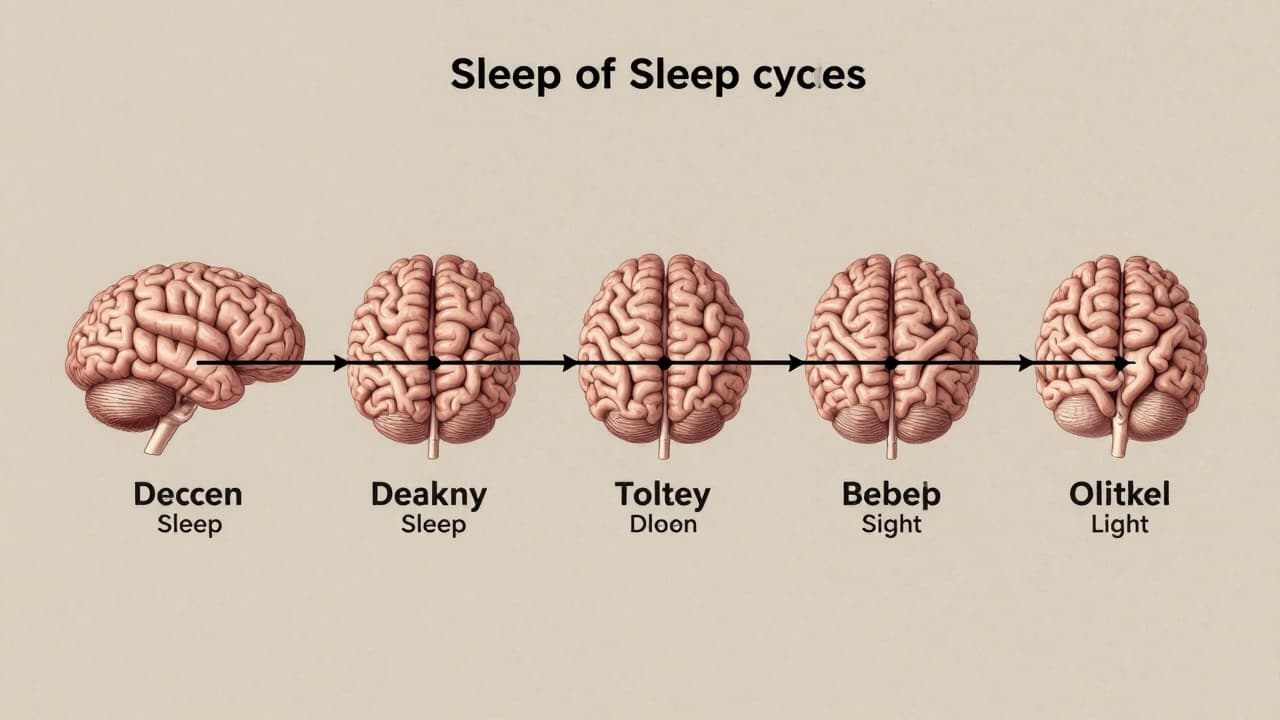

The traditional belief that people need exactly eight hours of sleep for optimal functioning is undergoing significant change. According to new scientific research, this assumption is a relic of the 19th century, not a scientifically established fact. Researchers have found that the human body, particularly in natural conditions, does not necessarily follow this rigid schedule of eight hours.
The key part of the research focused on communities living without the influence of artificial light. The studies included people from hunter-gatherer groups in Tanzania, Namibia, and Bolivia. The results showed that these people naturally sleep between 5.7 and 7.1 hours a day. The average for the mentioned communities is around 6.4 hours, which is significantly less than the traditionally recommended eight hours, yet still within a range considered optimal for health.
Studies conducted in industrial societies also indicate that the optimal amount of sleep may be less than the usual eight hours. A key factor influencing this dynamic is the presence of artificial light, which alters natural sleep rhythms. People exposed to artificial light often have disrupted sleep patterns, sleeping less on weekdays and more on weekends, creating irregular rhythms associated with poorer health.
Experts warn that individual differences must be recognised. Although the general recommendation from the National Sleep Foundation is seven to nine hours, for some individuals, six hours of sleep may be sufficient, while for others, ten hours may be needed. Research using advanced techniques, such as brain imaging, body measurements, and molecular analysis, estimates ideal sleep duration between 6.4 and 7.8 hours, depending on sex and specific organ.
Despite the debate over the exact number of hours, scientists agree on one thing: an excessive amount of sleep, like too little, is associated with poorer health. Both extremes can lead to serious health problems, including heart disease, stroke, obesity, and a decline in cognitive abilities. Therefore, it is crucial to find a balance that suits individual needs, rather than rigidly adhering to a single universal standard.