The rainforest, today widely regarded as one of the most untouched natural areas on the planet, looked very different almost two thousand years ago. New research using LIDAR technology, which creates precise three-dimensional maps of the area, has revealed the existence of a complex civilisation that significantly reshaped the landscape of the Amazon. The results of this research were published in the journal Nature.
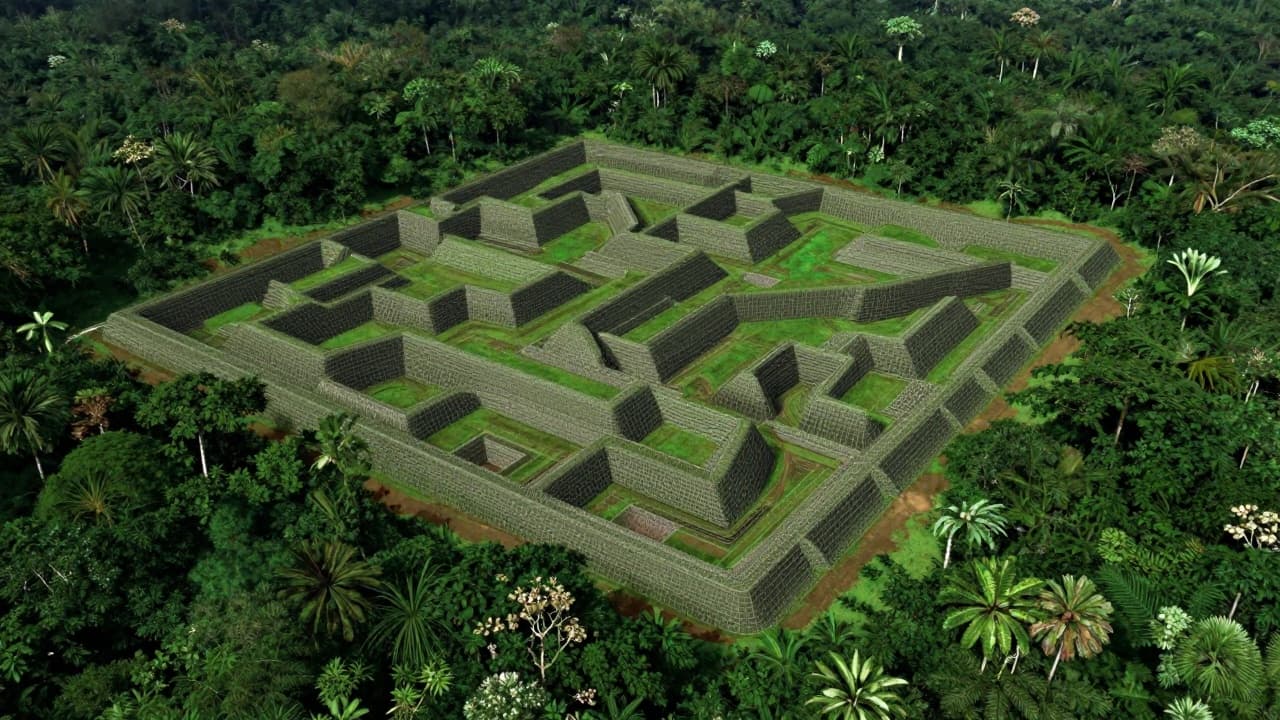
Archaeological evidence suggests that the people known as the Aquery, who existed from approximately 600 BC to 850 AD, built up to 30,000 earth structures. These enigmatic geometric structures point to a vast scale of human activity in a region previously thought to be an untouched rainforest. The Aquery civilisation was significantly larger and more complex than previously assumed, with it believed to have reached its peak around 200 AD.
It is estimated that this network of people could have numbered up to 3 million. Martti Pärssinen, an archaeologist at the University of Helsinki, describes this discovery as a turning point in the understanding of Amazonian history. Pärssinen first observed similar monumental earth structures from the air in 2002, alongside colleagues Alceu Ranzi and Sanna Saunaluoma.
At that time, they observed ancient roads connecting sites in the Brazilian state of Acre. Although the Aquery civilisation left no written records, archaeological findings indicate that it was not a single kingdom or empire. Instead, it was a diverse network of communities linked by shared traditions, changing previous understandings of human settlement in this part of South America.