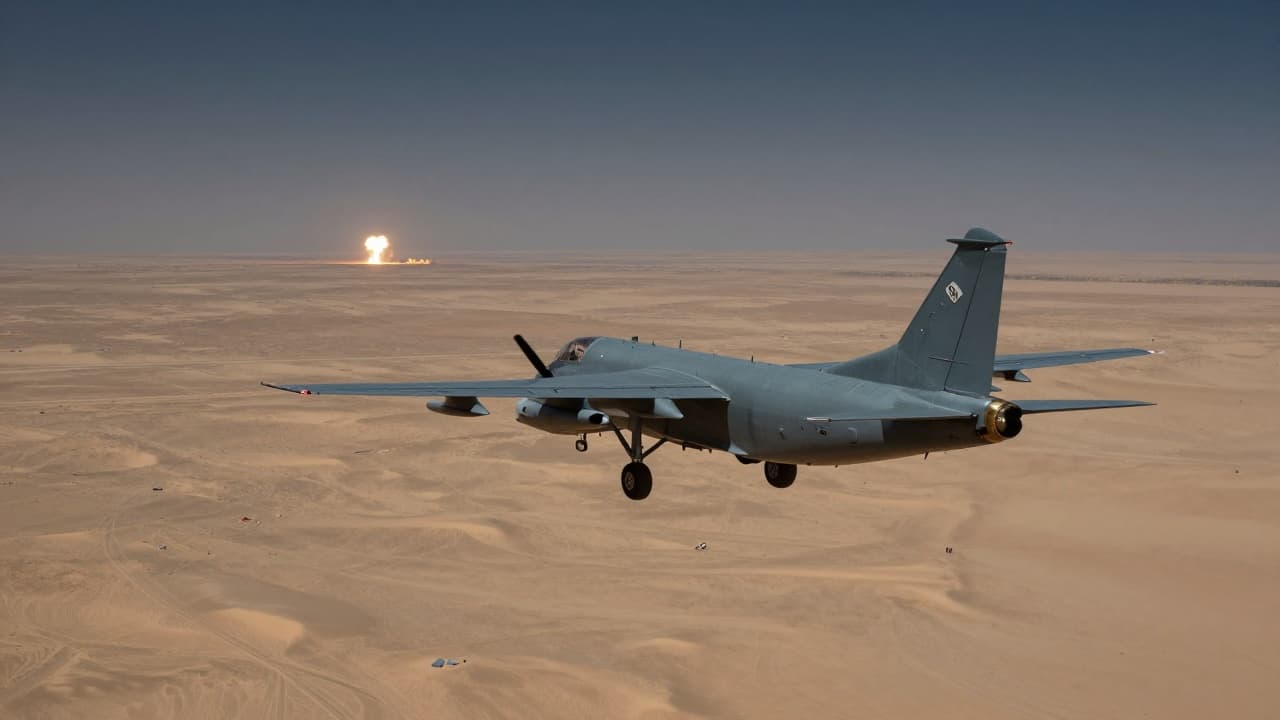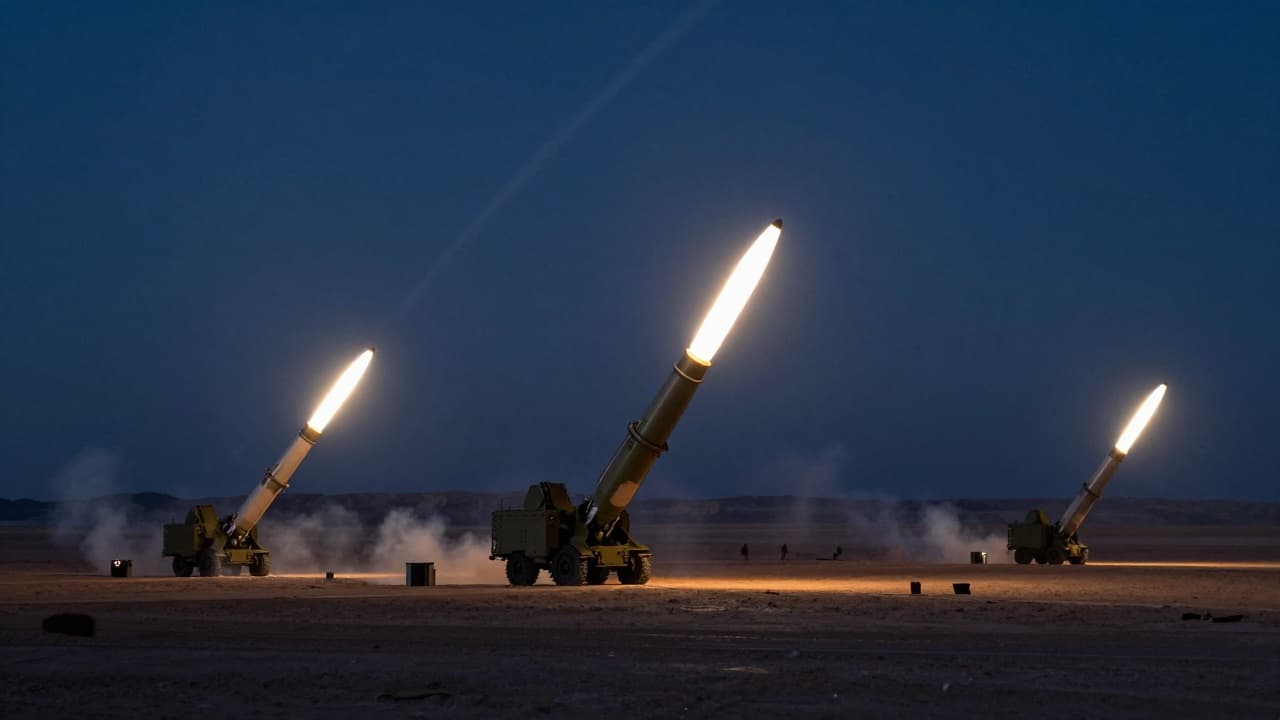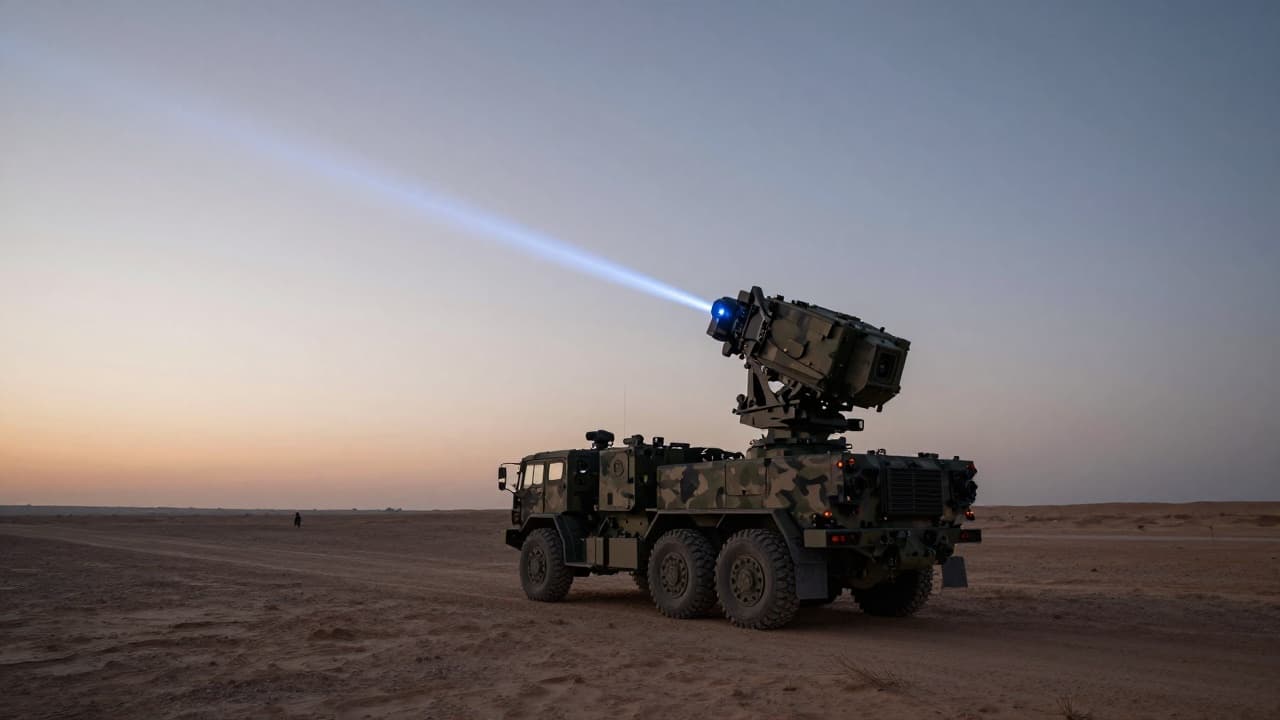
The US military carried out a successful operation in which it shot down three drones, using a high-energy laser system for the purpose. The incident occurred in the Rio Grande valley, on the border with Mexico, and was the first confirmed use of this advanced technology in combat. The operation took place in the early hours of the morning, following a threat detection during the night.
According to available information, the drones targeted belonged to a Mexican cartel. These unmanned aerial vehicles were used to facilitate smuggling, and the military determined that they posed a direct threat to the security of military units. Personnel of the US military as well as staff of customs and border services operating in the area were particularly at risk.
Although the military did not specify the manufacturer of the laser system used in this operation, media reports had previously stated that the US military had received a delivery of multi-purpose high-energy lasers from the company AeroVironment. This is an advanced weapon designed to neutralise threats from the air, including small drones, making it a key tool in the modern fight against asymmetric threats.
This technological upgrade comes as the administration of President Donald Trump seeks to curb illegal immigration and the activities of criminal networks at the border. The official stance of the military and federal agencies is that this is an implementation of stricter security measures, in line with promises made during the election campaign. However, the use of such systems carries certain risks, as demonstrated by a recent incident in which the military accidentally shot down a drone, leading to a temporary ban on the use of similar systems in certain zones.
Prior to the aforementioned incident, the military had already deployed similar systems, including the LOCUST model developed by the company AeroVironment. However, the use of this specific system led to the closure of airspace near the El Paso international airport, causing concern among the local community and experts. These incidents highlight the complexity of integrating new technologies into daily operations, particularly in areas where the presence of armed forces and border police is frequent.
Although lasers are becoming increasingly common in modern military operations, their use requires strict control and risk assessment. It is essential to ensure that such weapons are used solely for the purpose of protection and defence, and that any unintended damage is avoided. This is precisely the goal of the US military, which seeks to balance the need for security with respect for international norms.