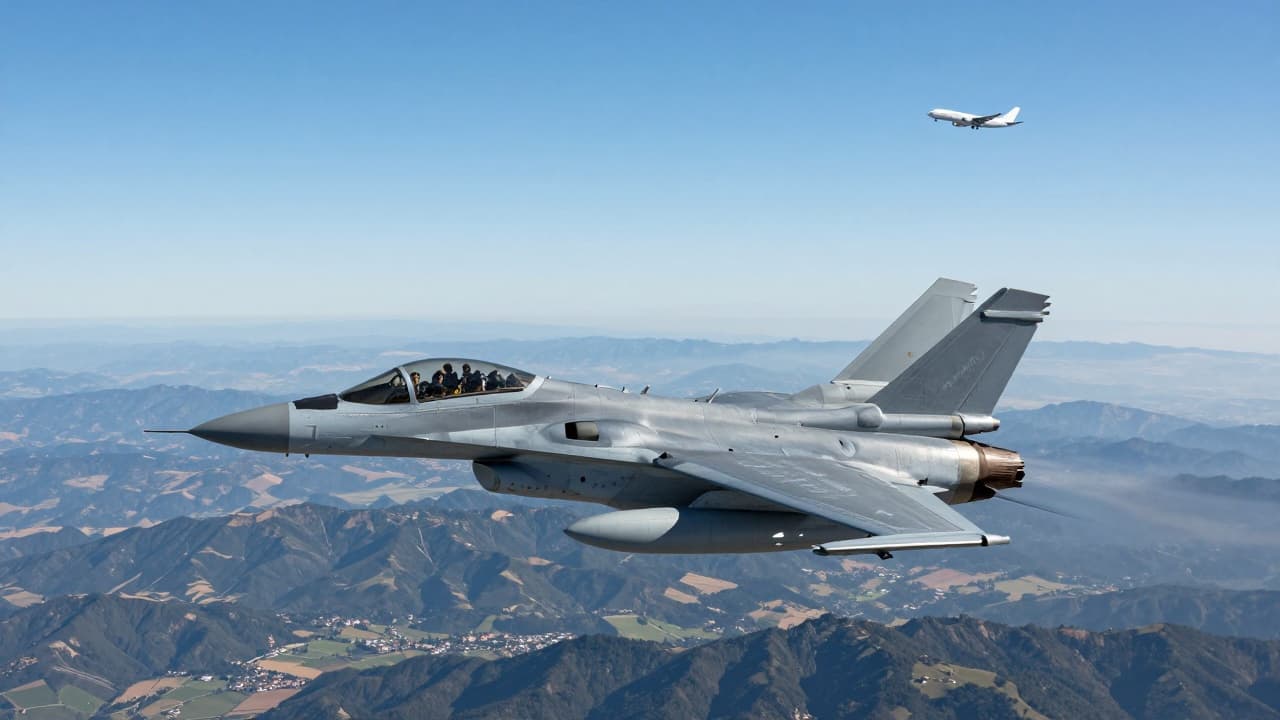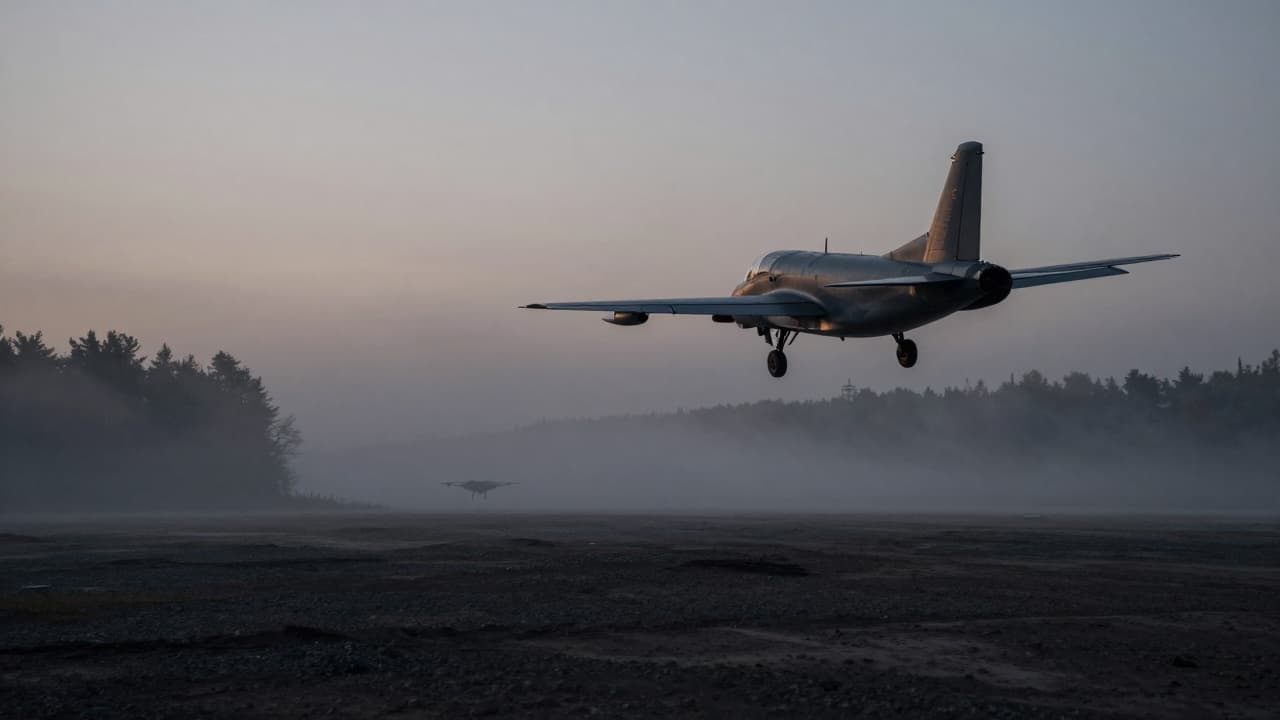
A NATO fighter shot down a drone in Lithuania, near the village of Pratkunai, located in the southern part of the country, not far from the city of Kaunas. The incident occurred on Tuesday, shortly after midnight, as confirmed by the mission's spokesperson. Although the aircraft successfully neutralised the threat, it was stated that the identity of the owner of the downed drone must still be established, indicating a need for further investigation and identity checks.
Prior to the incident, an alert was issued in the region, indicating the presence of unknown aerial objects. At the time of the incident, NATO's Baltic Air Policing mission was patrolling the skies above the region, its role being to ensure the air space in the region. This mission covers the Baltic states, including Latvia, Lithuania and Estonia, which joined the NATO alliance in 2004, thereby securing their safety within the alliance.
Meanwhile, the situation on the ground remains tense, given that Russian forces are accused of influencing drone trajectories through electronic warfare. Such tactics, including the use of electromagnetic interference, are often used to disrupt navigation systems and make tracking enemy drones more difficult. In the light of these events, the Russian side has been accused of attempting to manipulate drone trajectories, further complicating the situation in the region.
On the other hand, Ukrainian forces have intensified their attacks, using drones as a means to attack Russian targets. This strategy, which involves the use of drones for attacks, has become increasingly common in the conflict, given that it allows for more precise attacks with less risk to the forces involved. Such tactics, including the use of drones, are becoming increasingly important in modern conflicts, where technological superiority is increasingly used as an advantage in combat.