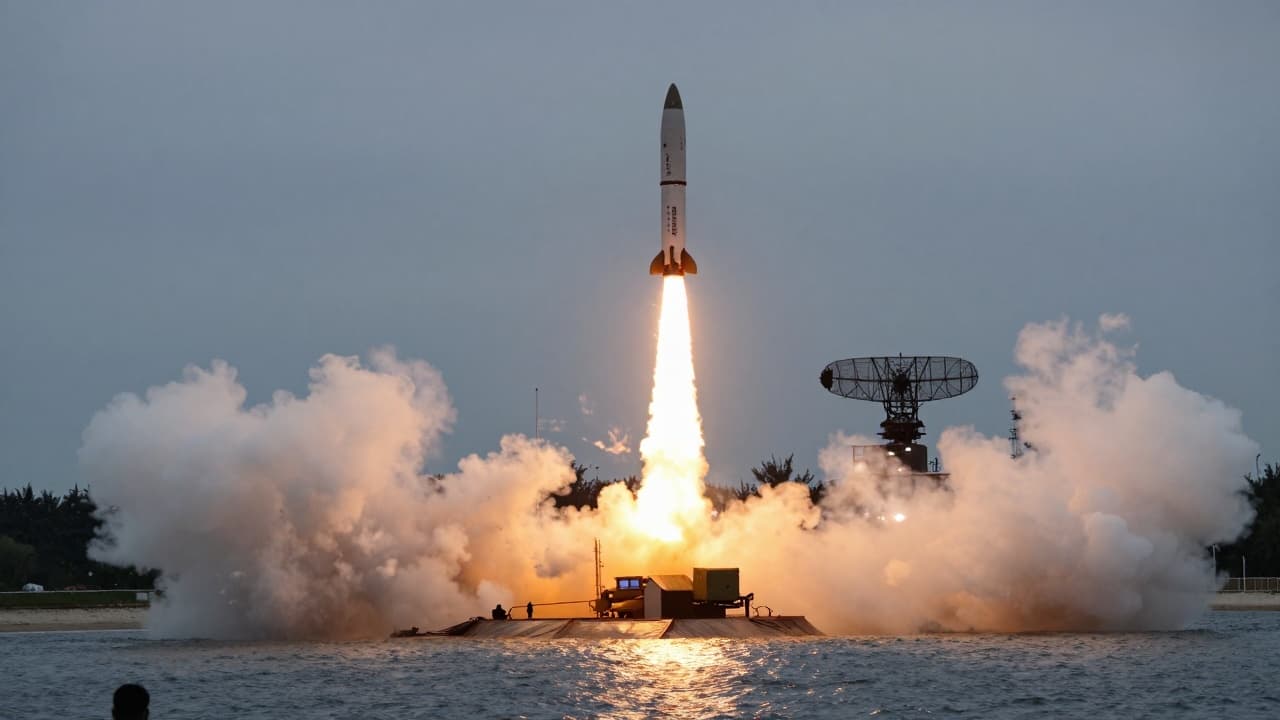
European leaders are increasingly concerned that Russia could launch attacks on NATO countries. Polish Prime Minister Donald Tusk warned on Thursday that Moscow could send drones or missiles to NATO member states supporting Ukraine in the 'next few months'.
French President Emmanuel Macron on Friday called on leaders of political parties and candidates for the 2027 presidential election to an emergency meeting on Ukraine, Iran and the increasingly serious energy crisis. Macron described Tusk's warnings as 'well-founded and well-documented' and announced a new plan to protect critical infrastructure. 'In recent weeks... the hybrid threat to Europeans and France has intensified,' Macron said. Guillaume Lacroix, head of the radical left party, said after the meeting: 'For 50 years I have rarely felt such dizziness.'
The Dutch prime minister said: 'It is no coincidence that the Polish prime minister speaks so decisively' and 'We must take this warning very seriously... We must consistently show that we do not accept this and will take action if necessary'. The Finnish president told his country's citizens on Thursday that it was 'worth mentally preparing for the possibility that something could happen', including sabotage and the appearance of Russian drones.
Moscow is simultaneously sharpening its wartime rhetoric ahead of the parliamentary elections in Russia this weekend, on which the United Russia party is expected to retain power. The Russian foreign minister warned Europe on Thursday that it would face 'very short' war if NATO members attempted to attack Russia.
A high-ranking European defence official said: 'Russia has accelerated the pace of its activities and we must remain vigilant' and 'This can be seen as part of a wider trend... We have already heard similar warnings, and it is very likely that there will be more'. Another senior European defence official said that the recent incidents had not yet led to a joint response from the states, and that 'we are watching the situation closely'.
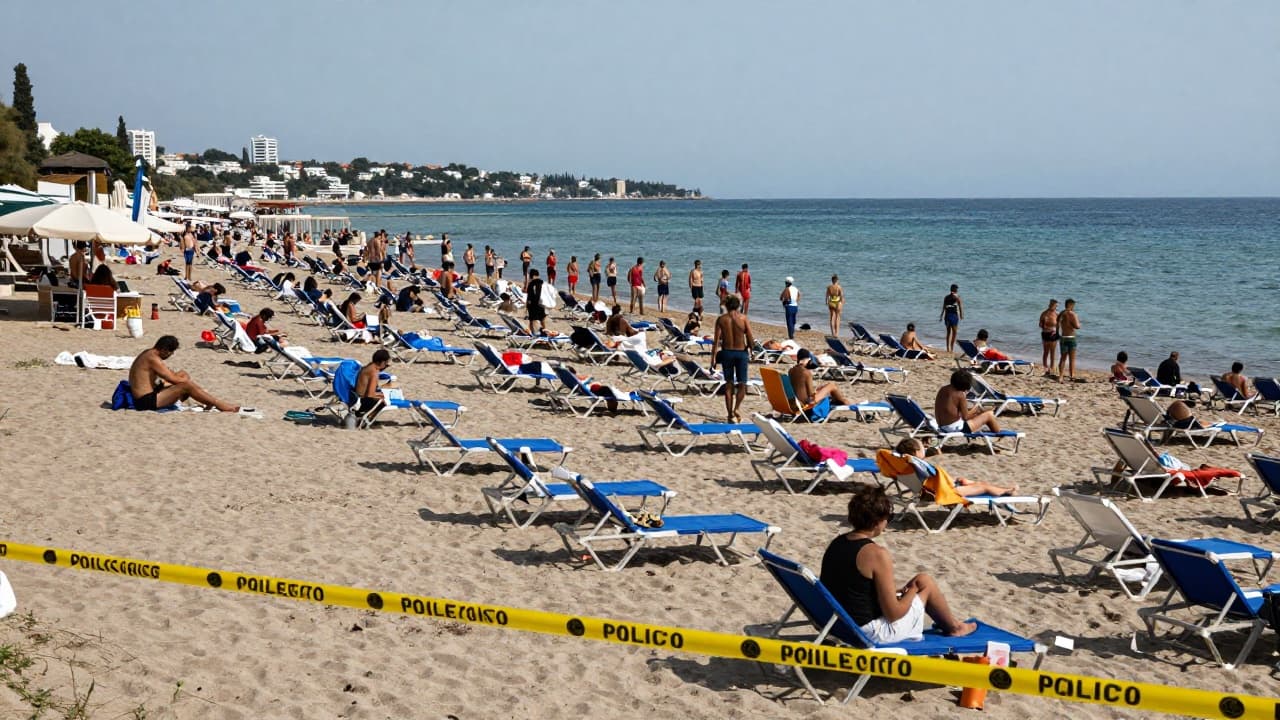
German and Swedish forces on Friday conducted joint exercises near the strategically important Swedish island of Gotland. A few weeks earlier, NATO allies had held exercises near the Russian enclave of Kaliningrad. In recent weeks, NATO combat aircraft have shot down Russian drones over Lithuania. A Russian ship has fired warning shots at a Danish military helicopter. Germany has blamed a person suspected of spying for Russia for an attempt to attack a airport in Leipzig.
American intelligence reports from August warned that Moscow was planning a limited attack on one of NATO's members in the next few years. The head of the CIA late last month warned Russian officials in Moscow not to escalate the conflict with NATO allies, particularly Estonia, Latvia and Lithuania, in the context of Russia's invasion of Ukraine. It is not clear whether the latest warnings from European leaders are based on new intelligence data.
The Lithuanian foreign minister said on Friday that Vilnius had 'the same intelligence data' as Tusk on a 'possible operation under false flags', but suggested that the data was from July. 'Public statements by politicians are seen as part of a coordinated campaign to warn Russia against making stupid decisions and trying to do something that would not activate article 5 of the NATO collective defence agreement and would not result in defeat for Russia,' said Budrys. According to two diplomats in the Union, NATO members are not officially informed of new intelligence within the Union, and NATO has not yet changed its assessment of the threat.
A NATO official said: 'At the moment we do not see an immediate threat of attack' and 'But we must not be naive or complacent and must ensure that NATO remains strong in the years to come'. Ed Arnold, a former NATO official and advisor to the D Group, said that the target of the warning could also be to raise public awareness of the threats and to anticipate possible attacks by false flags before they occur. A senior military official said that Russia could be increasing such activity due to difficulties in achieving its objectives in Ukraine, and that this was 'a strategy that is doomed to fail because we are ready to respond'.
From January to August, 100 hybrid incidents were officially recorded across Europe, compared to 60 in the same period last year, according to data from the Ukrainian think tank Sahaidachnyi Security Center. A senior official said that the actual number of incidents was 'easily over 200', not counting cyber attacks. The NATO headquarters in Brussels is exposed to 'thousands' of cyber attacks every month. Germany is preparing for a possible conflict. Lithuania is updating its evacuation plans. NATO is holding military exercises in the Baltic. Belarusian forces are conducting large-scale exercises near the Lithuanian border.