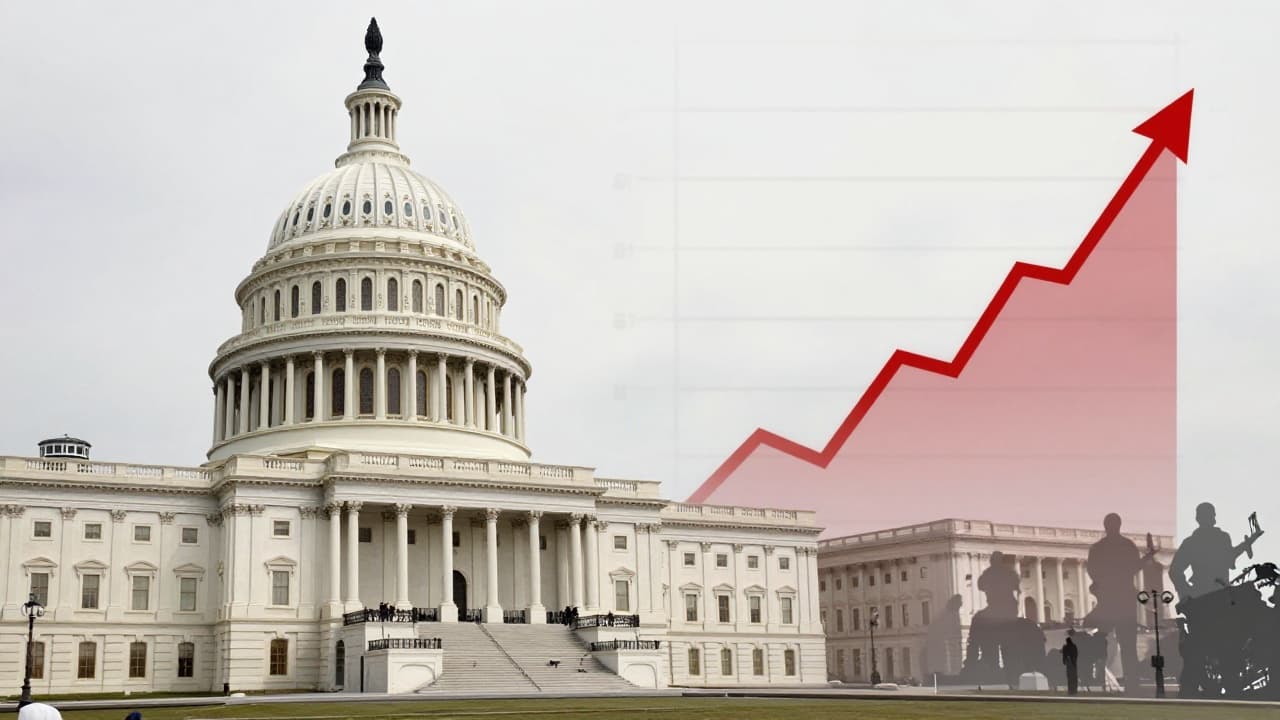
US Vice President JD Vance directly blamed the war with Iran for the Republicans' heavy defeat in the congressional elections on Wednesday. On the X network, he stated: "The reason for our defeat is the war". Donald Trump admitted the day before that the war was only a "part" of the reason for the loss.
Democrats took control of both houses of Congress, winning seven Republican Senate seats, including in Texas, Kansas, Iowa and South Carolina. According to Vance, voters demanded an end to the war, curbing inflation, reducing the cost of living, consistent implementation of the "America First" policy, and a redefinition of relations with Israel. Vance had previously supported the war, and in mid-October attributed high fuel prices to the closure of refineries during Joe Biden's term.
Speaking to Fox News on Tuesday evening, Trump said Iran was a partial cause of the electoral defeat, but he still believes he acted correctly. He said voters agree with his policy but were not ready for the short-term consequence of more expensive petrol. Telling The Wall Street Journal, he reiterated that he does not regret starting the war and would do it again, while considering his biggest problem to be that he was not on the ballot.
A CNN exit poll shows that 87 per cent of voters were concerned about fuel prices, of which 59 per cent were very concerned. For 74 per cent of voters, the war was a decisive or important factor in their voting, and according to NBC, Democrats won about 62 per cent of the votes from that group. As many as 63 per cent of voters assessed the military action against Iran as a wrong decision.
The day before the first strikes on Iran, on 27 February, a gallon of petrol (about 3.8 litres) cost an average of $2.98. In early October, the price was $4.37, an increase of about 47 per cent. Diesel rose from $3.76 to $6.32 per gallon, a 68 per cent increase; in September it broke the six-dollar mark for the first time in history, and on 22 September set a record of $6.53.
Annual inflation in September accelerated from 3.4 per cent in August to 3.7 per cent. The 9.1 per cent rise in petrol prices in one month accounted for more than half of the total monthly price increase. According to the US Bureau of Labor Statistics, petrol rose 34.2 per cent in a year, heating oil 74.2 per cent, and airline tickets 22.4 per cent. The ITEP Institute calculated that by the end of September, Americans had paid more than $103 billion more for fuel than they would have without the war, and the average household will lose more than $1,300 on more expensive fuel and food by the end of the year. The Pentagon estimates the direct costs of the war at more than $47.1 billion.
The University of Michigan consumer sentiment index fell to a then-record low of 47.6 points in April, to 44.8 in May, the lowest level in 74 years of measurement, and stood at 48 points in October, which is the second lowest final reading in history. Joanne Hsu, director of research, said in April: "Many consumers blame the Iranian conflict for adverse changes in the economy". Chris Wilson, a veteran of Republican campaigns, stated in September: "Fuel prices are important because they are one of the few economic indicators that voters see in real time".
A few days before the strikes, Trump boasted about low fuel prices in his State of the Union address. When prices began to rise, he told Reuters: "If they rise, let them rise". In early July, he promised a return to "record low" prices after what he called a very successful "excursion" in Iran, and at the end of October he said fuel prices would "drop like a stone" as soon as the war ended. He described the price increases in the campaign as a "very cheap price" for what was achieved in Iran.
Florida Governor Ron DeSantis said in a Stephen A. Smith podcast the day before the election: "Petrol is more expensive, it hits workers and it is more expensive because of this conflict. If you cannot admit that to voters, then you are deceiving them". He added that some voters abstained because Trump promised he would not start new wars in the Middle East, and then went to Iran.
Gallup measured in June that only 34 per cent of Americans support the war against Iran, placing it among the military actions with the least support in the last 50 years. At the start of the war in Afghanistan in 2001, Gallup measured 90 per cent support, and one day after the invasion of Iraq in 2003, 76 per cent. According to a Politica poll, the share of MAGA voters who support continuing the war despite the costs fell from 50 per cent in May to 37 per cent in July.
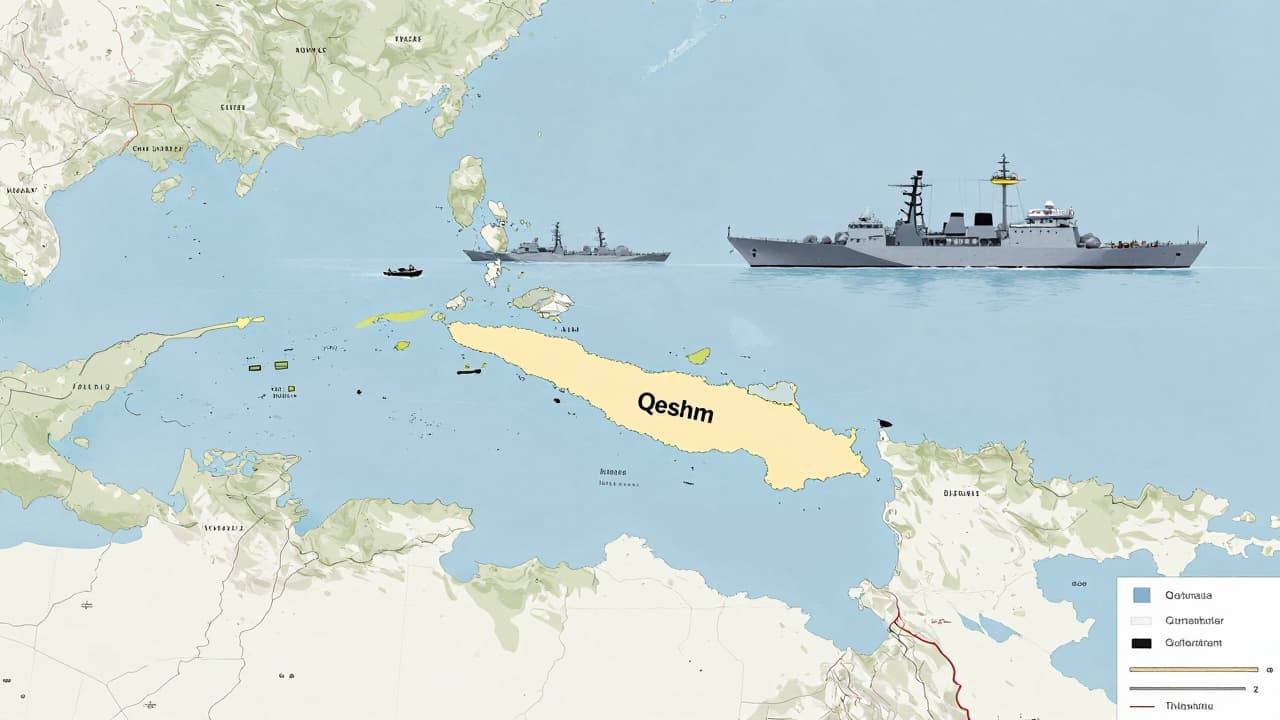
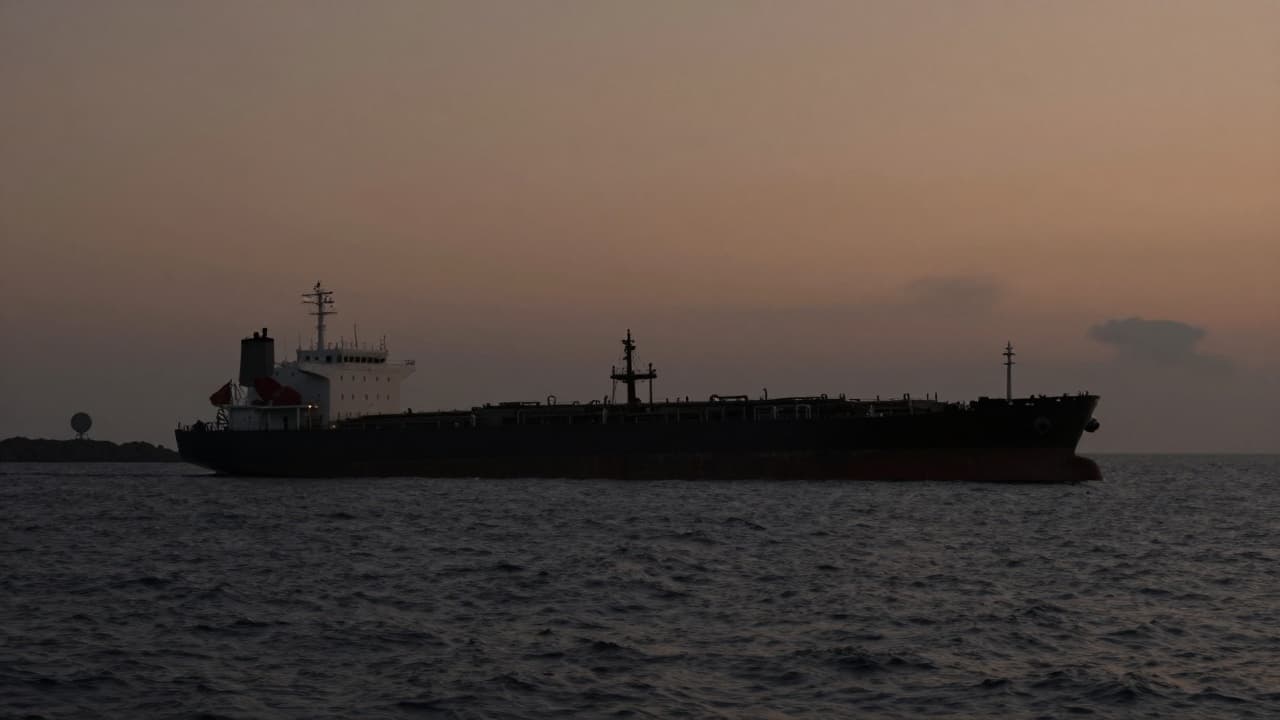
Andrew Payne, director of research for Europe, Russia and America at London's Chatham House, warned in mid-October: "This year, the economy is foreign policy". According to the Washington Post, Iranian officials saw the two weeks before the elections as an opportunity to inflict as much economic and political damage as possible on the president, and attacks on ships in the Strait of Hormuz, through which a fifth of the world's oil passes, were part of Iran's moves.