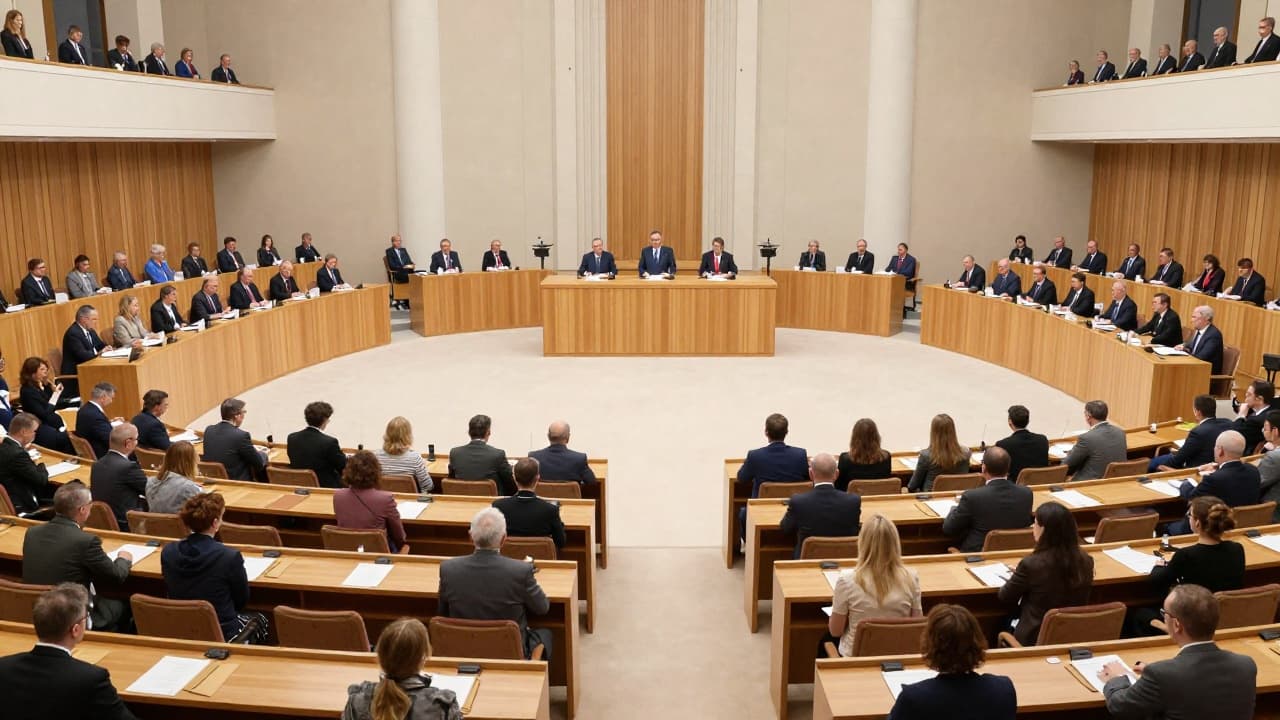
The European Parliament’s Committee on Petitions decided on Thursday that both petitions under discussion would remain open until the European Commission provides its written explanation. The petitions concern the construction of a marina in Cavtat and waste disposal in Gospić.
The petition regarding the Cavtat marina remained open because the Commission did not submit its written opinion on the citizens' petition, although a majority of parliamentary groups had voted to close it. All parliamentary groups except the Greens voted to close the Cavtat marina petition. Green MEP Gordan Bosanac expressed satisfaction that the petitions remained open, stating in a press statement that, as far as he understood, the Commission is examining the petition in great detail. He noted that it seemed somewhat strange to him that the Commission required so much time to determine whether there was a breach of EU law or not, and expressed satisfaction that representatives of the European People's Party also voted to keep the petition open today.
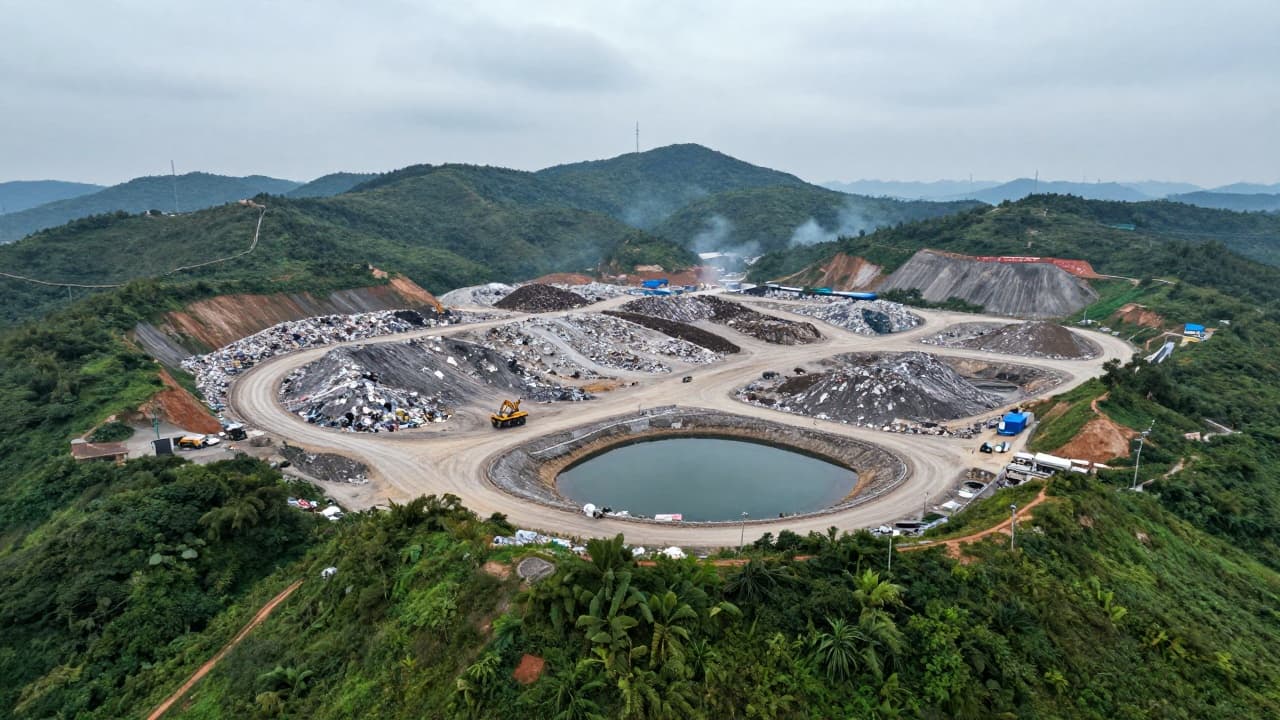
In the case of waste disposal in Gospić, all parties supported continuing the investigation into whether there are breaches of EU law. A Commission representative stated that they are currently assessing the entire situation and the detailed information provided by the petitioners. A representative from the Commission's Directorate-General for the Environment stated that if they establish systemic breaches of environmental protection regulations, they will not hesitate to take the necessary steps. He added that the Commission is aware from media reports that individuals suspected of the illegal import and disposal of hazardous waste have been arrested in Croatia as part of an operation conducted in cooperation with Europol. He emphasised that the subject of the petition is primarily within the competence of the relevant national authorities and urged the petitioner to continue using the legal remedies available under national law.
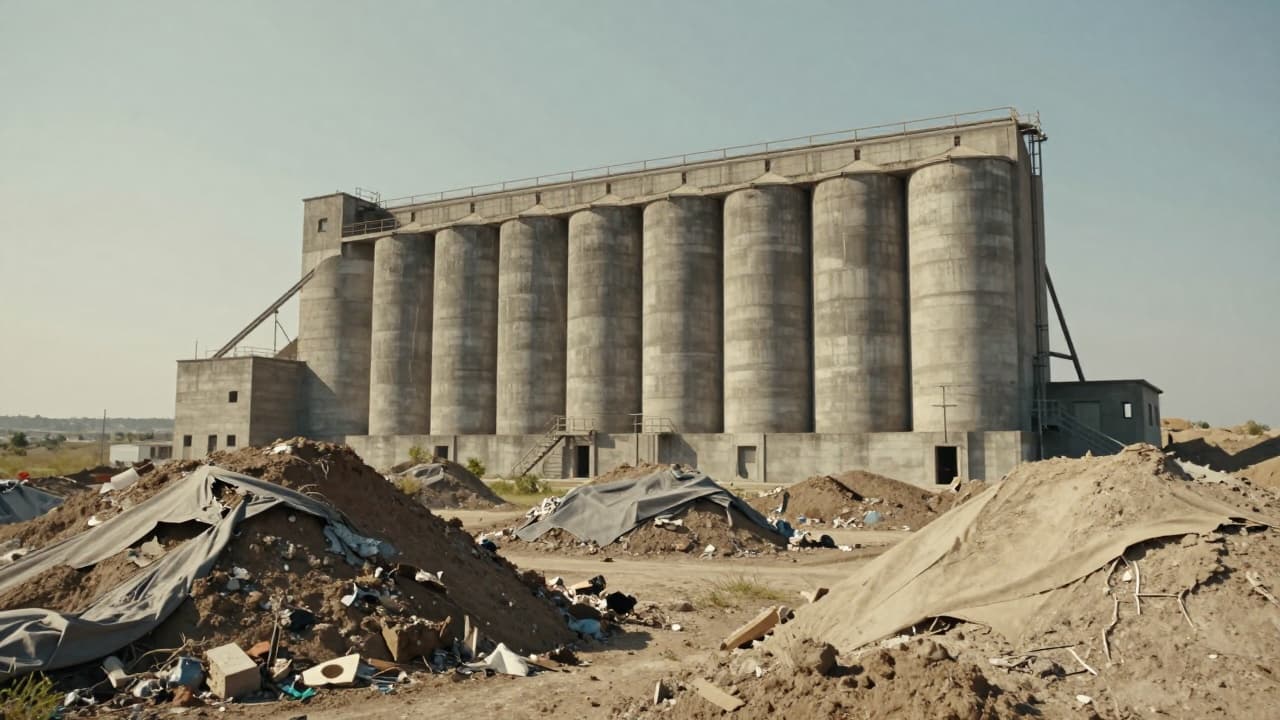
Vjekoslav Bušić from the 'Gospić is Our Home' initiative attended the committee meeting with seven other residents of Gospić and briefed the committee on data regarding the disposed waste and the chronology of events. He stated that the government today claims that 44,000 tonnes of waste have been disposed of in Gospić, of which 33,000 tonnes have been buried in karst soil. On paper, he said, this was plastic for recycling that had been crossing borders for years, thereby violating the Waste Shipment Directive. He said they learned of this in February 2025, requested analyses and urgent remediation, but were persistently refused. Bušić added that the government had not responded to their requests and inquiries, and that the Prime Minister had called their fear hysteria, while the government only reacted when political instability was threatened. He stated that the state had initiated the first measures, which were mostly political, and that experts and their objections were ignored. He emphasised that to date, only 1 per cent of the waste has been removed, and that it was the non-hazardous portion.
Bušić asked committee members to insist on a reasoned response from the Commission and Croatian authorities and to organise a visit by Commission representatives to Gospić for a fact-finding mission. He said he believed that EU law must protect every family equally, regardless of whether they live in Brussels, Rome, Ljubljana or Gospić. He also stated that neither Lika, nor Gospić, nor Croatia is or will be Europe's dump, specifically warning of the urgency of the situation because poison quickly passes through cracks in the karst soil.
Romana Jerković from the Socialists and Democrats (S&D) parliamentary group called on the Commission to urgently investigate absolutely everything. She said it was necessary to investigate whether Croatia is fulfilling its obligations under EU legislation on waste and water protection. She added that they are seeking transparent and independent monitoring of pollution, publicly available analysis results, and a concrete remediation plan with clear deadlines, and that they support considering a delegation visit to Gospić to assess the situation on the ground.
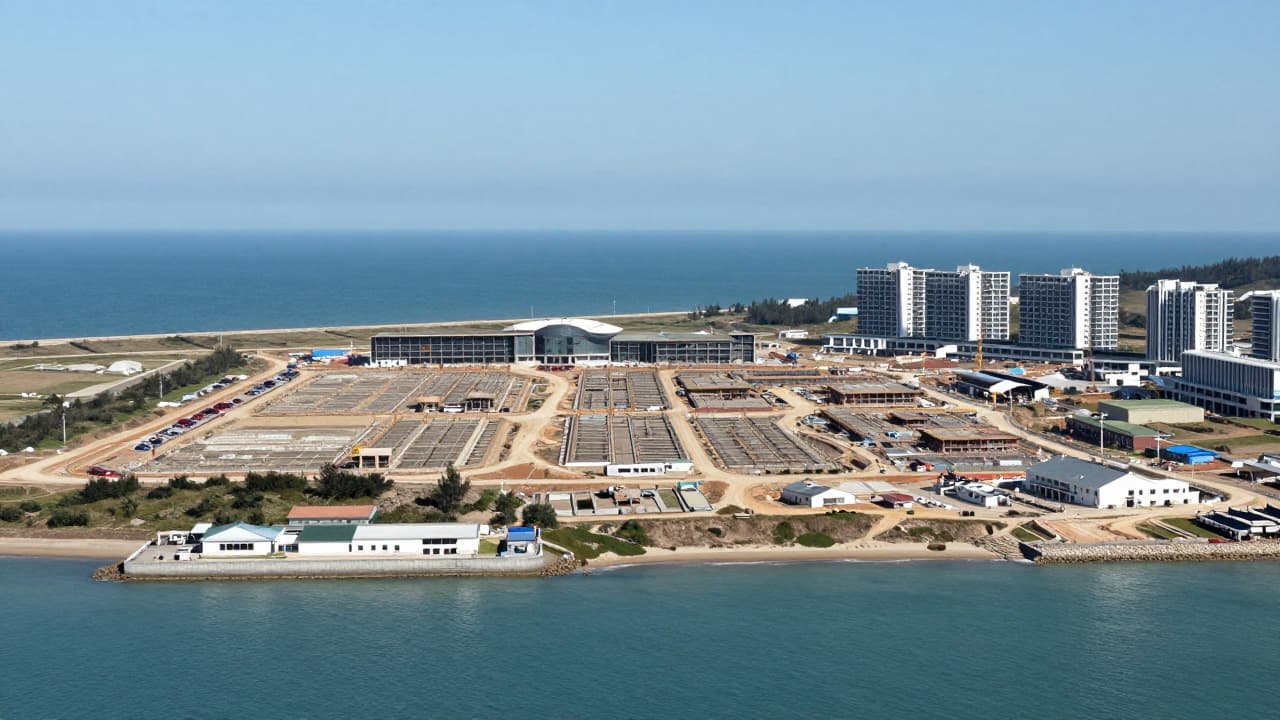
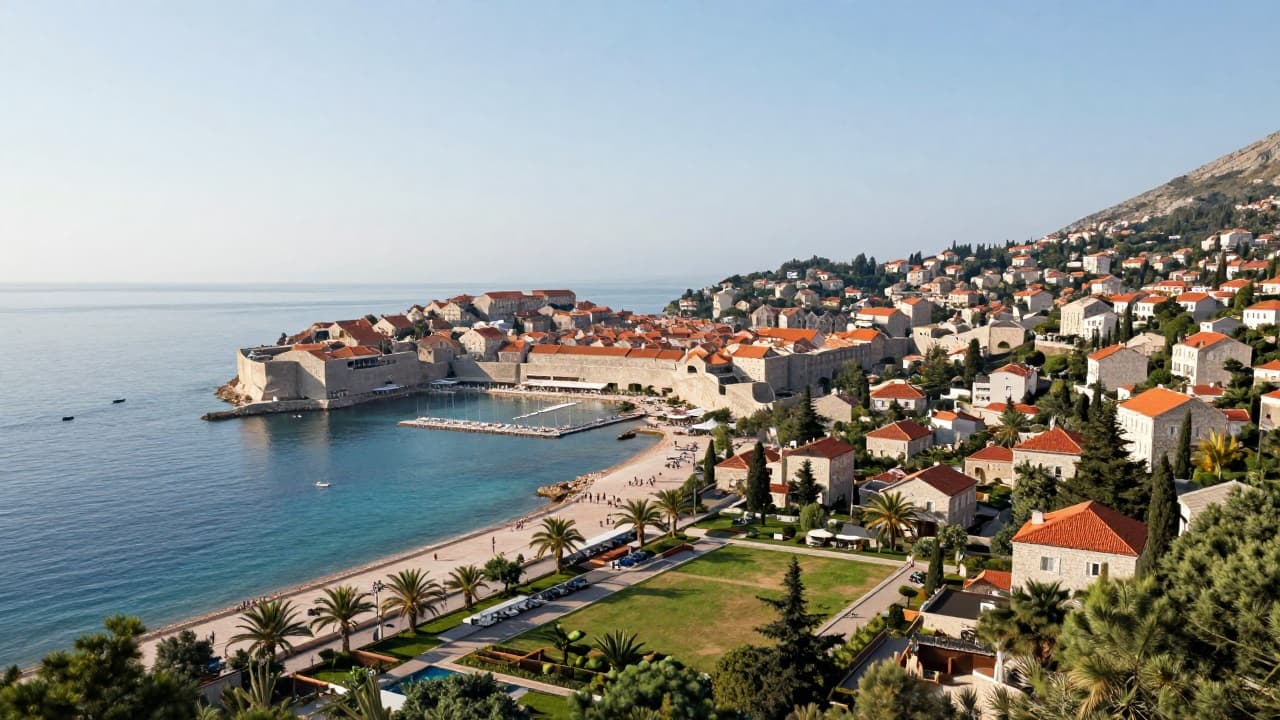
Speaking on the marina construction project in Cavtat were Alexandra Vidak from the Javno Dobro party and Maris Špero from the Čista luka civic initiative. Vidak spoke about the Marina Resort Cavtat project, which envisages a marina with around 150 berths, a hotel complex, villas and buildings with more than 260 accommodation units.
In a statement, Marina Cavtat noted that the Marina Resort Cavtat project has been developing for almost 18 years, through a complex process of spatial planning, environmental assessments and obtaining necessary permits. It is a demanding investment of which very few have been realised in Croatia to date, while numerous competing destinations have in the meantime focused on developing high-quality and luxury tourist accommodation, so Croatia must accelerate the development of higher value-added offerings. They noted that the project meets the conditions for designation as a strategic investment project of the Republic of Croatia and that strategic partners have been with the project from the start, ready to proceed with realisation as soon as all necessary permits are obtained.
Marina Cavtat stated that from the very beginning of the project development, they have acted in accordance with valid laws and instructions from competent authorities. The first step was strategic environmental impact assessments, conducted within the procedures for amending spatial plans, and in later phases, additional assessments were carried out for individual interventions. In the environmental protection procedures to date for individual parts of the project, decisions have been made establishing their acceptability subject to the application of prescribed mitigation measures and environmental monitoring. Individual parts of the project are developing at different paces, depending on when procedures began and what preconditions exist for their realisation. Procedures for the land-based part of the project began earlier, and for that part of the project, the first location permit was obtained, issued in September 2026 for the resort and access road.
The concession award procedure for the marina began in 2023, under the previous Maritime Domain and Sea Ports Act, Marina Cavtat noted. After the new Act entered into force, its transitional provision, Article 221(1), explicitly stipulated that procedures initiated under the previous law would be completed under its provisions. This is a matter of legal continuity and the application of rules that were in force at the time the procedure was initiated, and not a choice of regulations by the investor, they emphasised. After the completion of the concession award procedure, further project development of the marina continued, which, together with the coastal promenade, is subject to appropriate procedures and approvals.
Marina Cavtat stated that they respect citizens' right to express concern and use available national and European institutional mechanisms to voice their views. Referring a petition to the European Parliament and its potential inclusion in further procedure is part of the regular institutional process and in itself does not mean that irregularities have been established or that the investor is liable, they stated. They also noted that, as before, they will actively participate in all discussions about the project if the opportunity arises, and that they believe open communication is the best path towards clarifying doubts and resolving open questions.
The project model has been publicly displayed in Cavtat for years so that the interested public could familiarise themselves with the planned contents, Marina Cavtat noted. They are open to dialogue with all interested parties, especially with landowners, with whom they wish to continue discussions and seek solutions that respect their interests. They have already reached an agreement on the purchase price under equal terms with the majority of owners, and remain available to those with whom an agreement has not yet been reached. They will continue to present the project and relevant information transparently and in accordance with all regulations of the Republic of Croatia, with the conviction that all open questions should be considered on the basis of documentation, facts and valid regulations.