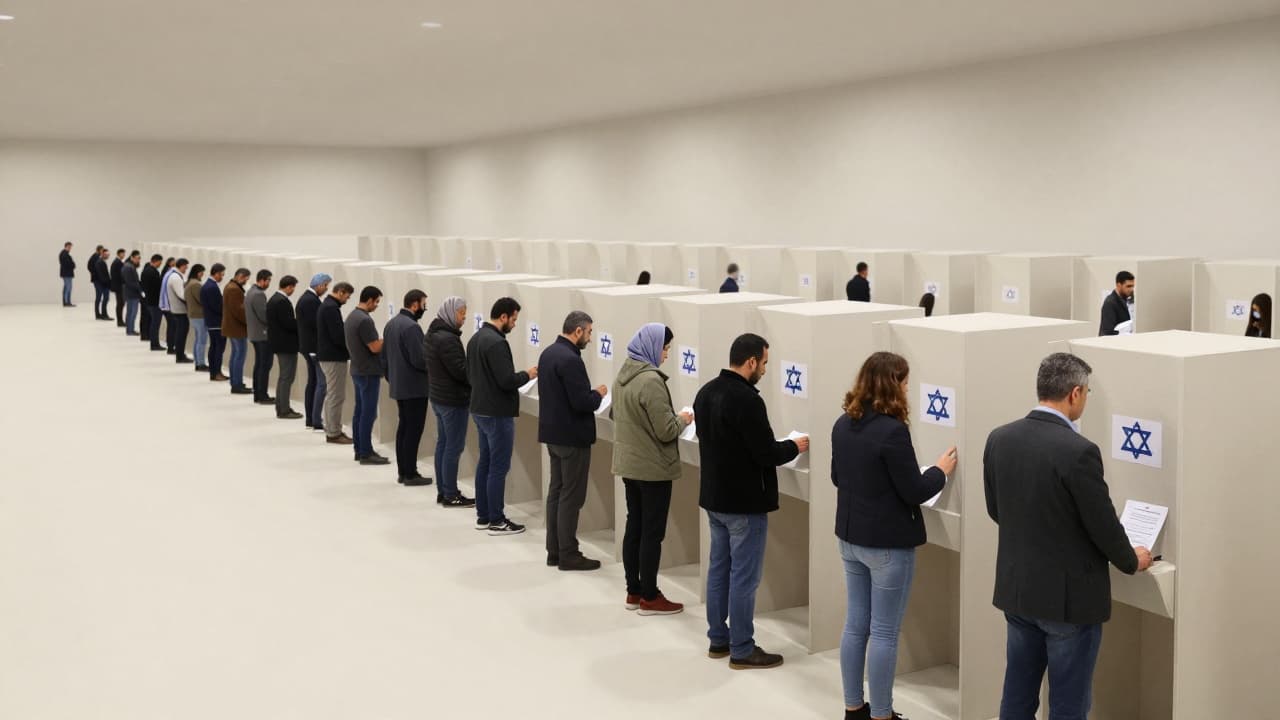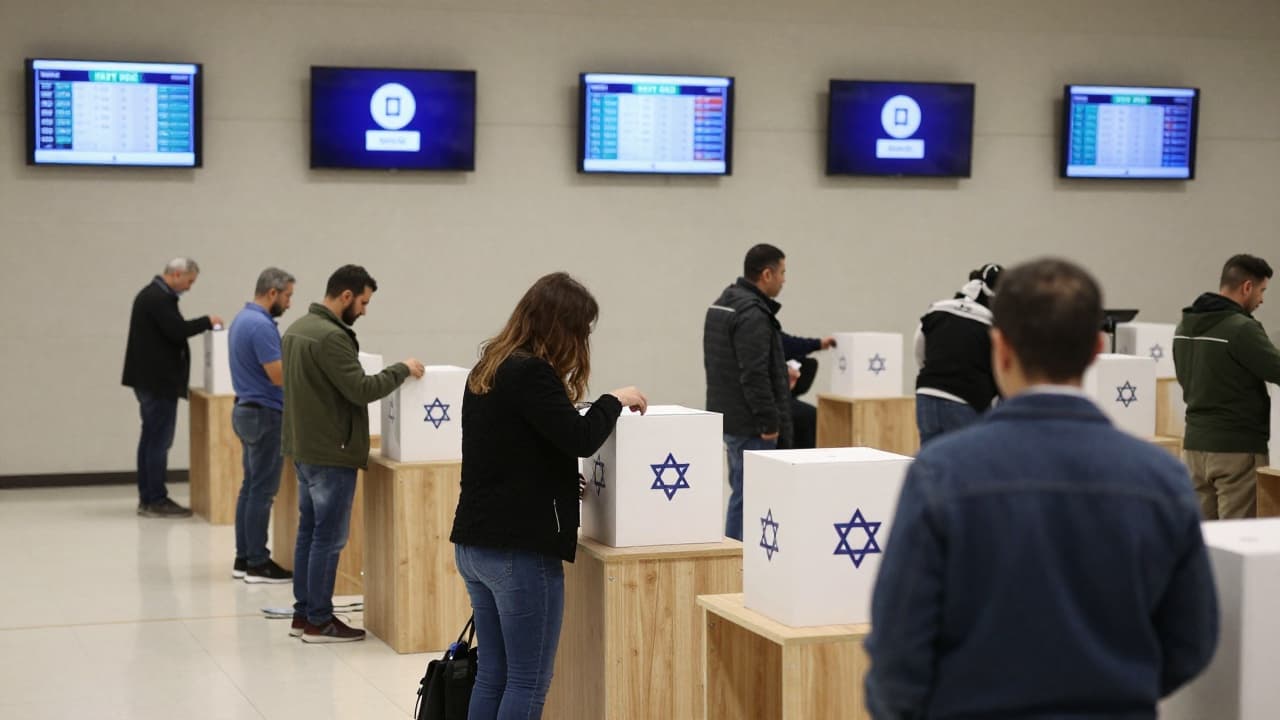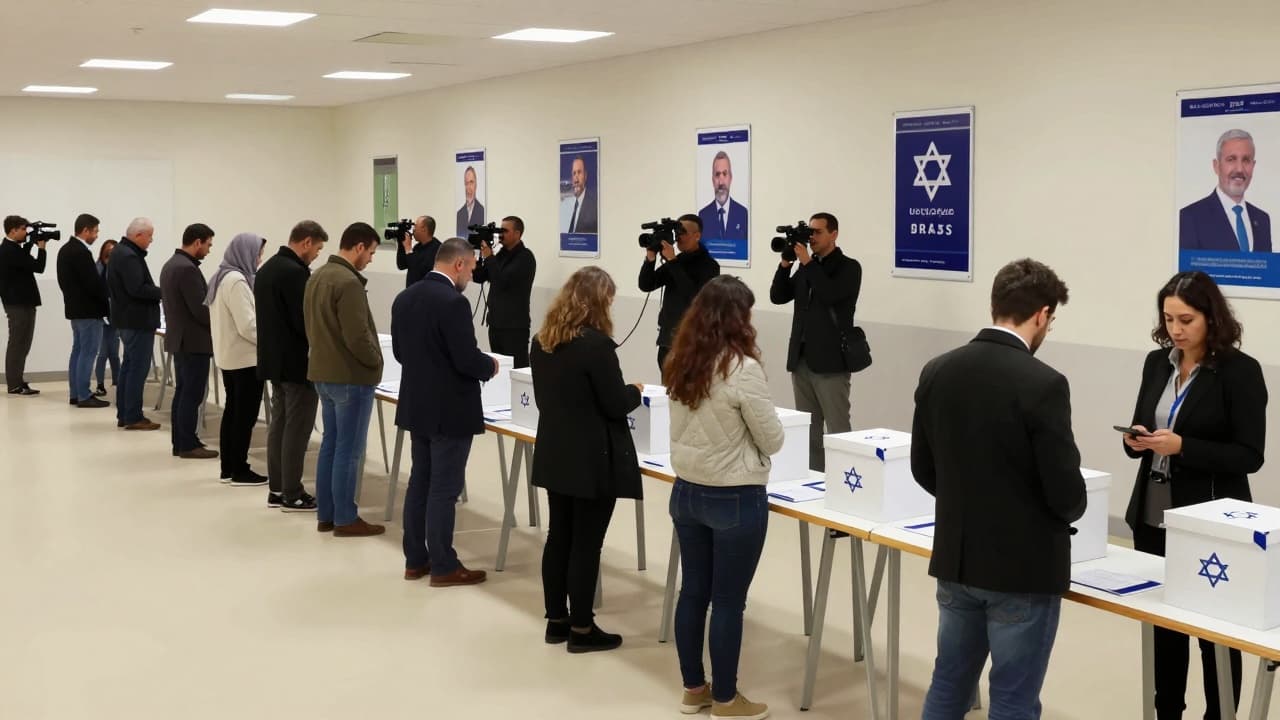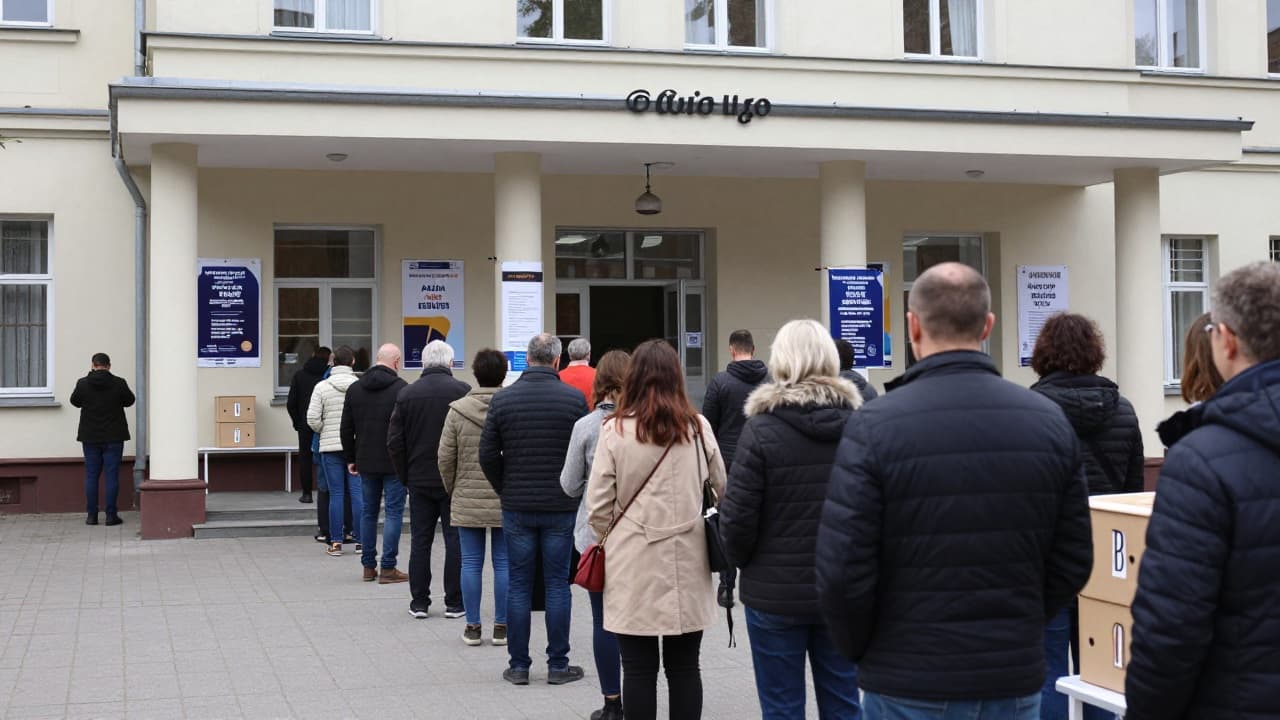

Gadi Eisenkot, the main rival of Prime Minister Benjamin Netanyahu, received the support of a majority of MPs on Thursday to form a government. Of the 120 members of the Knesset, 67 MPs backed him following several days of talks with President Isaac Herzog, while 46 supported Netanyahu.
Despite this, Herzog stated that it is not yet clear who can resolve the deadlock. He said that while the "results of the consultations may seem clear", there are "mutual vetoes between blocs and within the blocs themselves". He will decide on Sunday which of the two candidates should first attempt to form a government. During the Israeli weekend, which runs from Friday to Saturday, he will hold "personal talks with some of the party leaders".
Last month’s elections ended without either Netanyahu or Eisenkot securing a clear path to power. Netanyahu’s coalition lost its majority, falling from 68 to 53 seats in the 120-seat Knesset. The Change bloc of Zionist parties led by Eisenkot has 48 seats. Parties representing Israeli Palestinians hold a record 19 seats – the Joint List 11, and Ra’am eight. In the Israeli political system, the President decides which candidate has the best initial chance of forming a stable governing coalition.
Both majority Arab parties reported that they support Eisenkot, according to Haaretz. United Torah Judaism did not support either man. Turnout among Arab Israelis more than doubled to around 80 per cent, and Arab Israelis make up 20 per cent of the population. Palestinians in the occupied West Bank and Gaza did not have the right to vote.
Yousef Jabareen acknowledged "disagreements with Eisenkot on many issues". He said on Thursday that Palestinian voters want change after facing increased racism, discrimination, crime and exclusion under the current coalition. "We are not choosing between good and better, but between what we see as bad and worse", he stated. Last month, he told the Guardian that the first demand of Arab Israeli voters was to remove Netanyahu’s government, naming Itamar Ben-Gvir, the national security minister, and Bezalel Smotrich, the finance minister, as the most extreme members of Netanyahu’s cabinet.
Eisenkot set conditions for a potential coalition with Arab parties: they must recognise that Israel is a Jewish state, accept mandatory national service – civil or military – and condemn Hamas as a terrorist organisation. Jabareen and the Joint List suggested they would support the opposition from the outside through tactical voting in the Knesset, while Ra’am said it would join a new government led by Eisenkot.
Herzog called on everyone to help prevent another round of elections. "Every reasonable person only needs to look at the security and diplomatic challenges before us, the changing region around us and remember the issues that tear us apart internally, to understand that a huge responsibility lies with us", he stated. Netanyahu remains Prime Minister in a caretaker government until a new coalition is formed or new elections are held, which must take place if no candidate succeeds.
Netanyahu fared better than expected in the vote, and his party Likud won the most seats. His nationalist-religious coalition, the right-wing government in Israeli history, lost its governing majority. Netanyahu used an election officials’ investigation into possible vote tampering to question the results and accused Israeli Palestinian parties of stealing votes. Critics accuse Netanyahu and his partners of attempting to undermine the results, which he denies.
The Israeli Central Election Commission stated on Wednesday that the integrity of the elections had not been compromised. The commission’s head, Supreme Court judge Noam Sohlberg, called on elected officials to protect public trust. He told Herzog at his residence on Wednesday: "This is a real danger. One of the foundations of democracy is the peaceful transfer of power." Sohlberg said that high voter turnout, including among the Arab minority, was a blessing. Netanyahu’s far-right allies, including Ben-Gvir, called for the immediate arrest and interrogation of Arab party leaders.