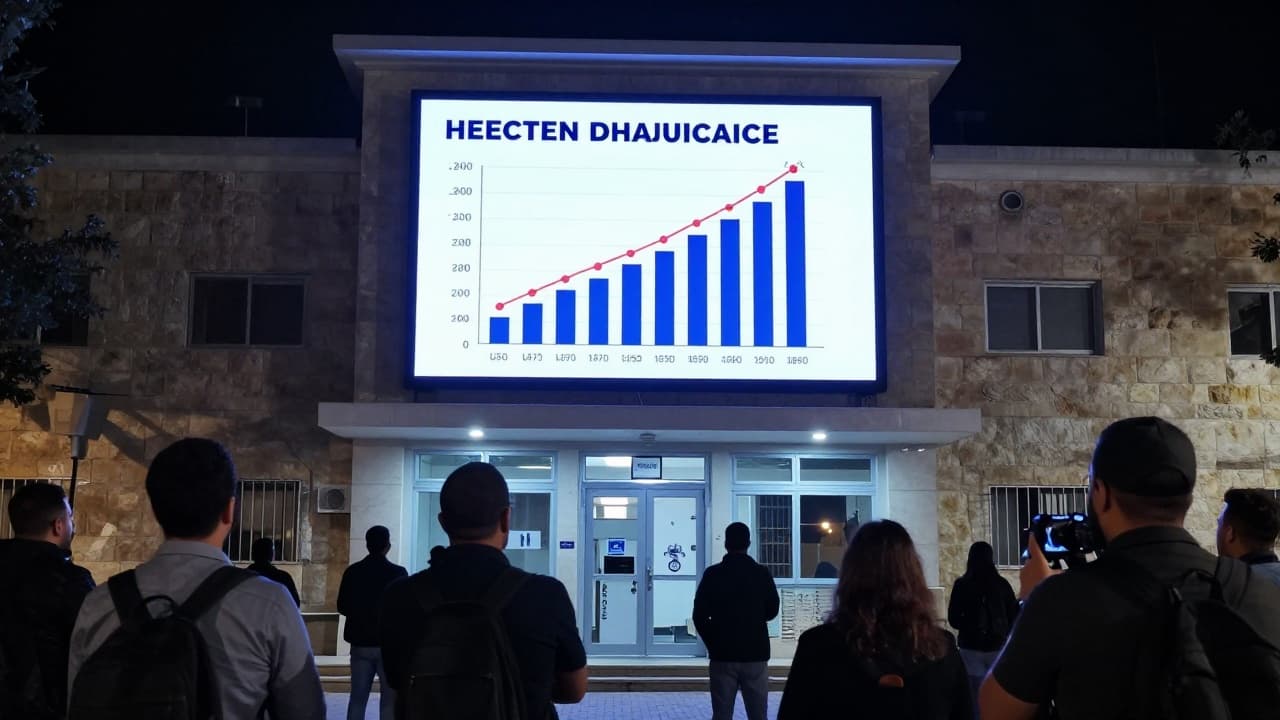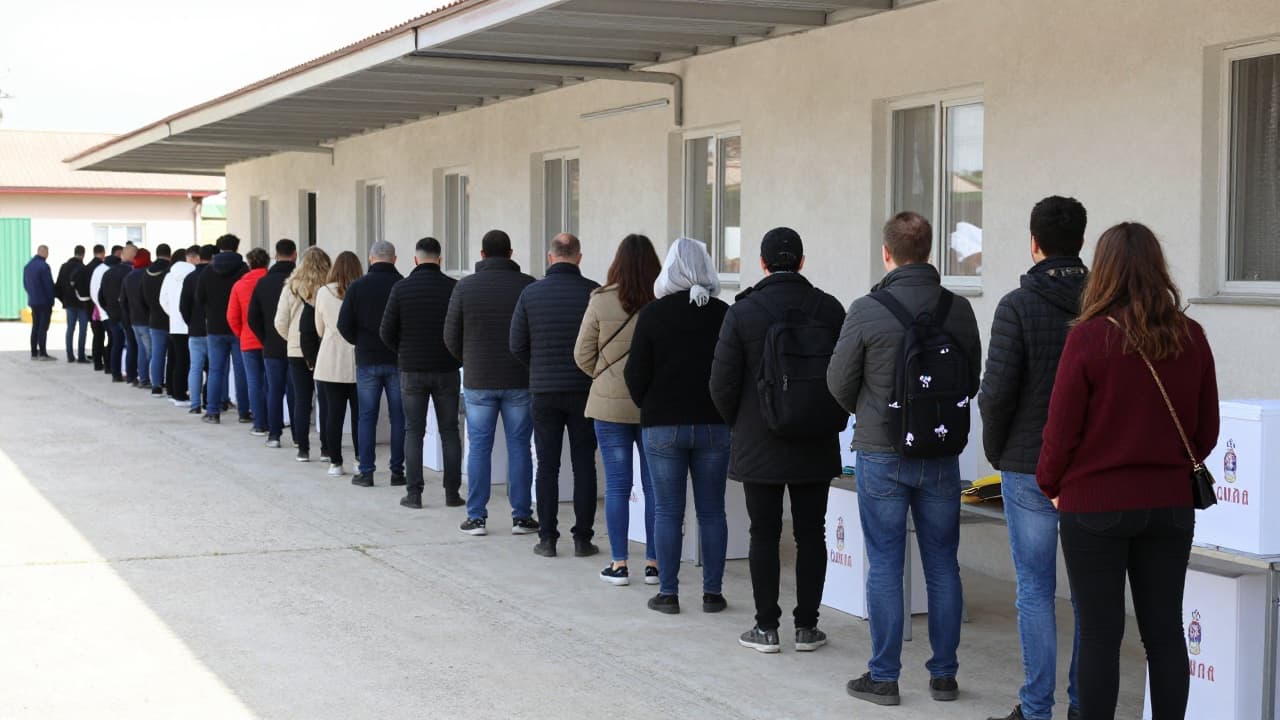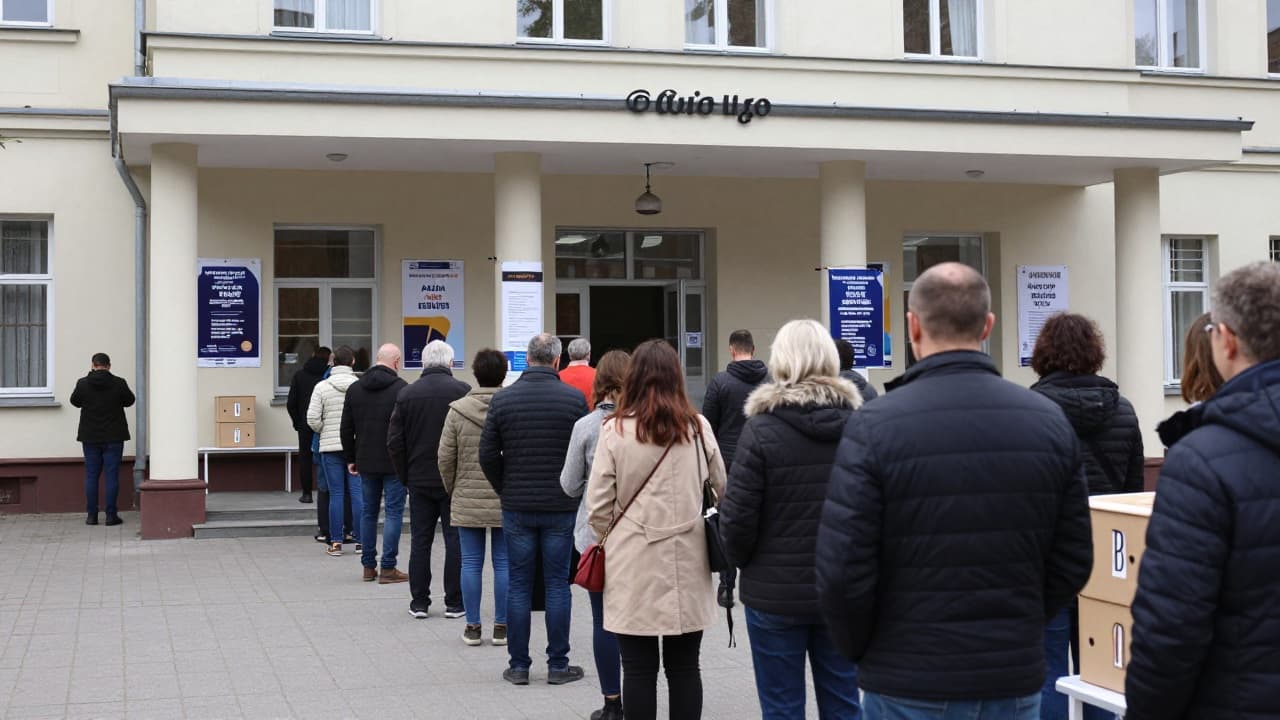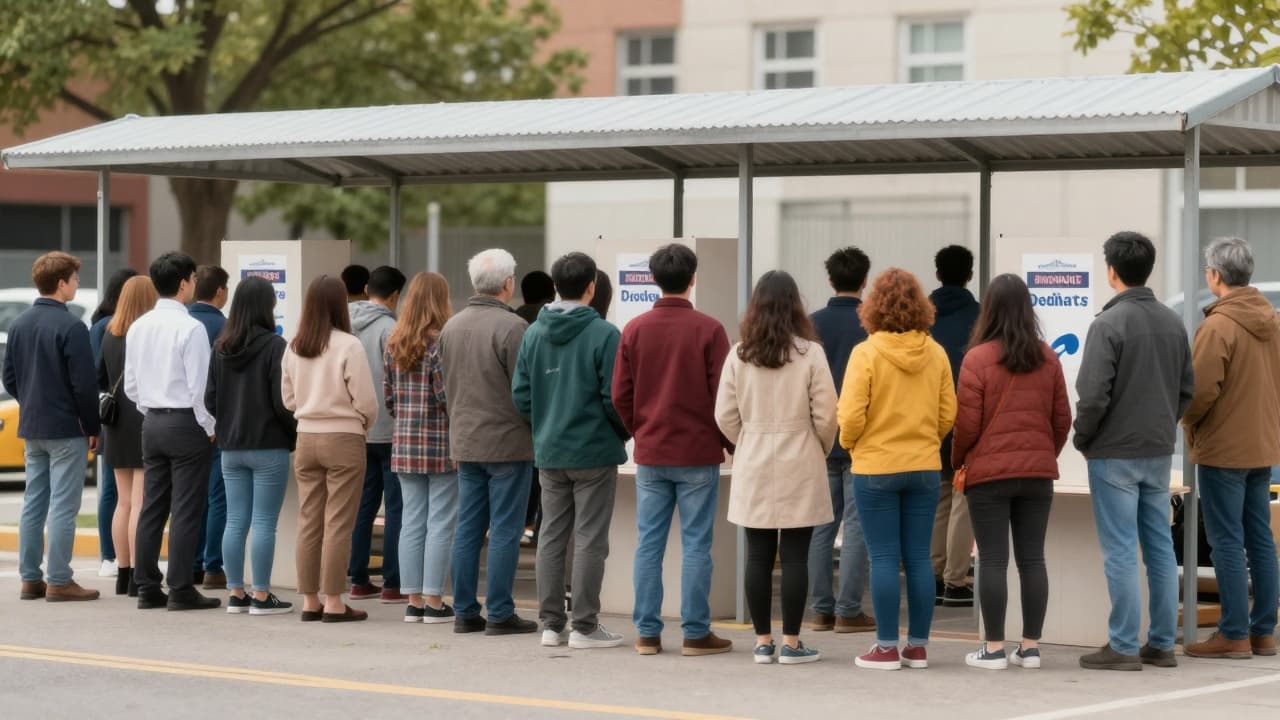
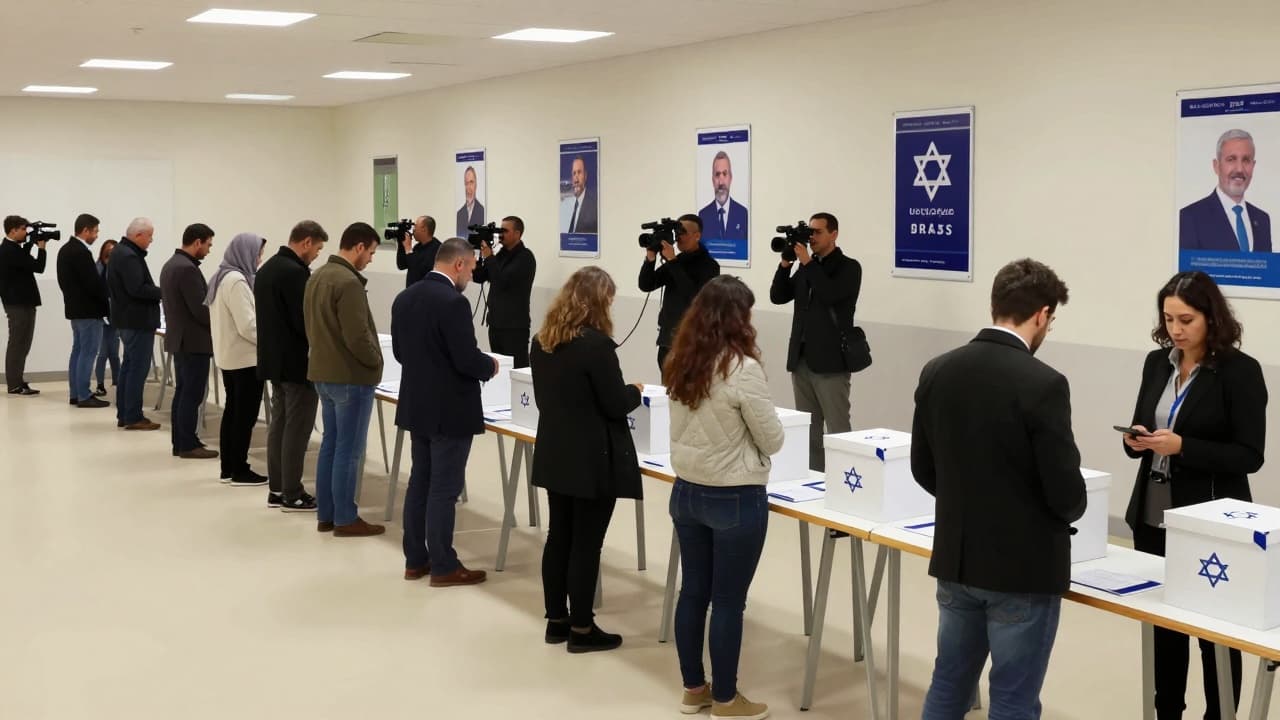
Parliamentary elections were held in Israel on Tuesday, determining the political future of Prime Minister Benjamin Netanyahu. Polls across the country closed at 22:00 local time, and vote counting has begun. The elections were marked by record turnout — according to the Central Election Commission, 74.3 per cent of voters had cast their ballots by 20:00, which is higher than the total for the entire 2022 election day, when 70.6 per cent of voters had voted by the time polls closed.
Turnout was high throughout the day. By 18:00, 66.7 per cent of voters had cast their ballots, about nine percentage points higher than at the same time in the 2022 elections. This is the highest recorded turnout since these data have been tracked, i.e. since the 1970s. A further increase in turnout among Arab citizens is also expected. The Central Election Commission rejected a request from parties in Prime Minister Benjamin Netanyahu's bloc to extend voting after 22:00, Haaretz reports. Under Israeli law, all voters who arrived at polling stations by 22:00 have the right to vote, even if voting continues after the official closing time due to waiting in line.
Israeli television channels published the first exit polls. According to Channel 12's projection, Prime Minister Benjamin Netanyahu's Likud could remain the largest single party in parliament with 24 seats, while Gadi Eisenkot with the Yashar party wins 22 seats. According to Channel 11's projection, the opposition bloc led by Eisenkot wins more seats than Netanyahu's coalition. No bloc has a secure majority of 61 members in the 120-seat parliament. Exit polls are the first estimates of results, not official data, but the final distribution of seats could be decisive for forming a new government.
Pre-election polls indicated that Netanyahu and his allies could lose their parliamentary majority. According to the latest polls, the Prime Minister's bloc could win around 50 seats, while Gadi Eisenkot's opposition coalition could win around 56 seats. The opposition led by Eisenkot did not have a secure 61 of the total 120 seats. Arab parties could play a key role in forming the new government. Forming a government in Israel requires a majority of at least 61 members of parliament.
The first official results are expected only after 01:00 on Wednesday, and the final outcome could remain uncertain for another day or two. Even small differences in the number of votes can significantly affect the possibilities for forming a new government. If no one succeeds in securing a majority, Israel faces prolonged negotiations and a new political stalemate. If a new majority cannot be formed, Netanyahu would remain Prime Minister at the head of a caretaker government until a new one is formed. Such a government can continue to administer the state, but is expected to exercise restraint in making important long-term decisions.
Israel has already gone through a similar period between 2019 and 2022, when as many as five parliamentary elections were held. In the event of a prolonged political stalemate, new elections could be called. If negotiations fail, the mandate to form a government may be given to a second candidate. If no one succeeds in securing the necessary support after additional attempts, parliament is dissolved and new elections are called, which under Israeli rules are held within 90 days of the dissolution of parliament. Netanyahu could remain in power in the meantime without winning a parliamentary majority. Joseph Mansour, a former aide to an Israeli MP, said: "In the end, Netanyahu does not have to win the elections. It is enough for him to ensure that everyone else loses".