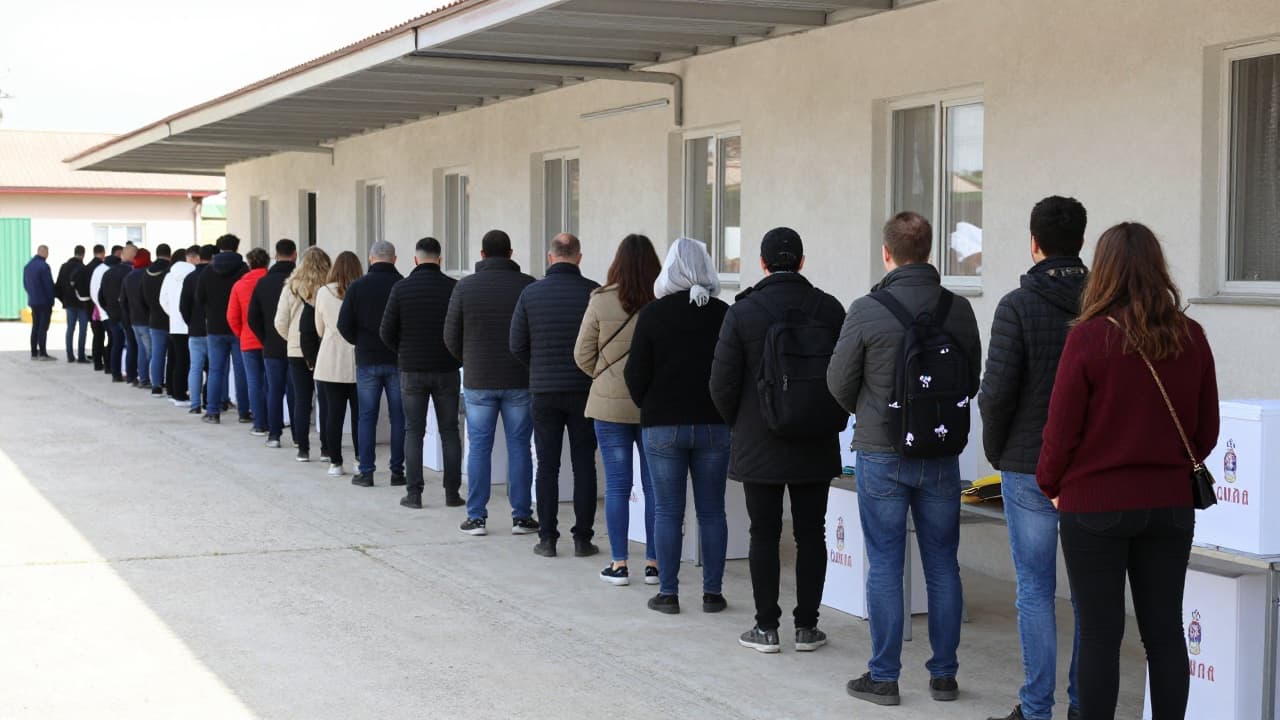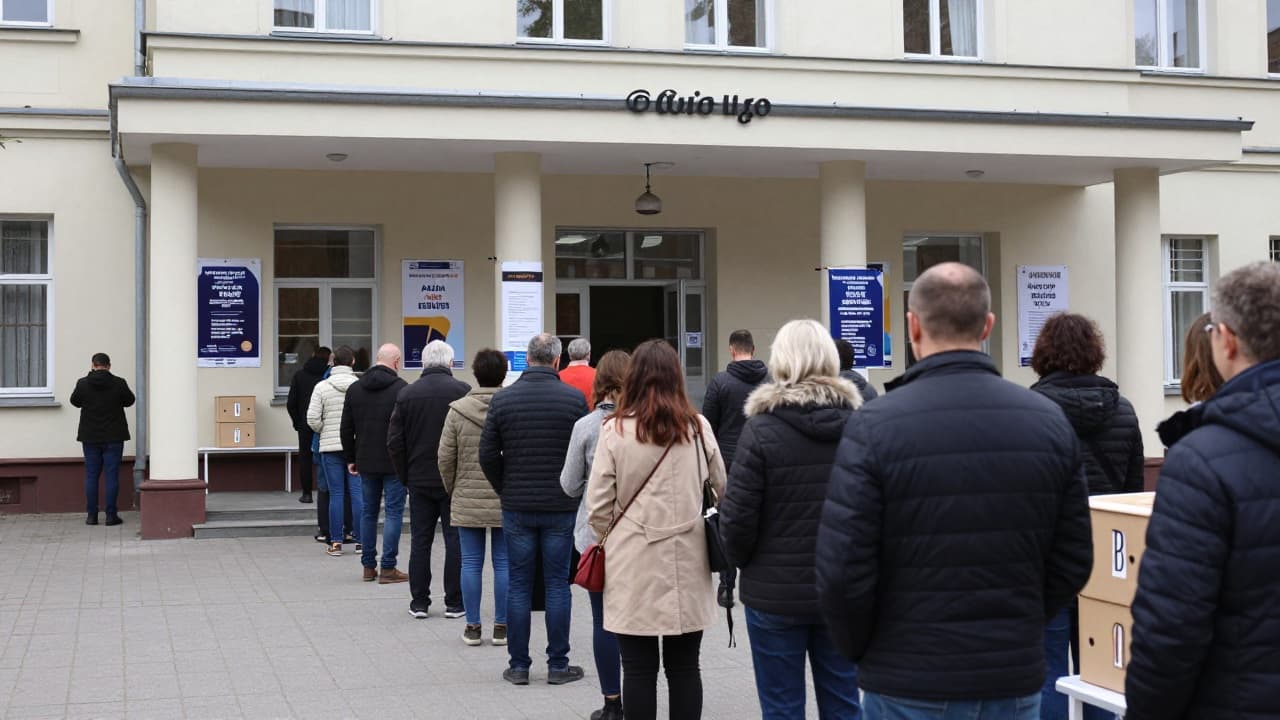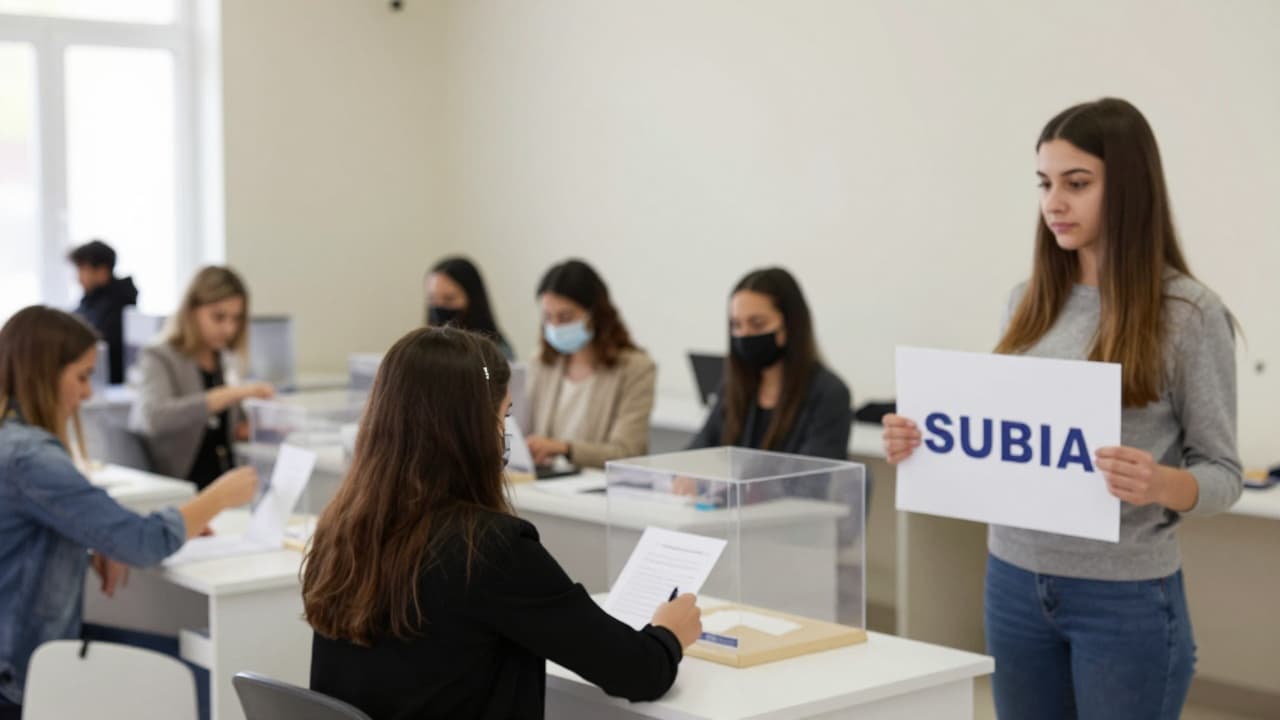
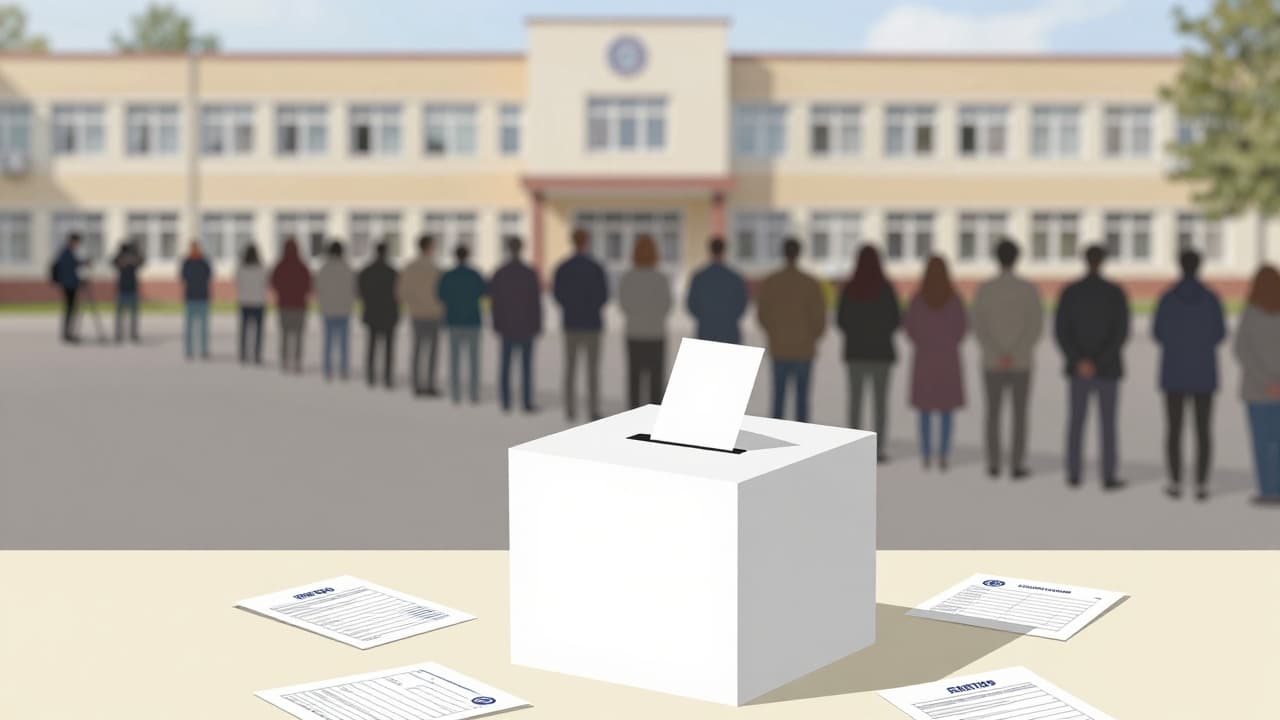
In Serbia, snap parliamentary elections are being held on Sunday, 25 October 2026, in which citizens are electing a new term of the National Assembly. Polling stations are open from 07:00 to 20:00, and 6,451,292 voters have the right to vote. Voting is taking place at a total of 8,392 polling stations, 29 of which are located in penal institutions.
A total of 2,418 candidates from 18 electoral lists are competing for 250 parliamentary seats in the Serbian Assembly. Half of the electoral lists have the status of minority lists. The electoral threshold for entering parliament is three per cent, while a natural threshold applies to national minority lists. Ballot papers have been printed in 29 language versions.
Among the lists participating in the elections are "Aleksandar Vučić – United Serbia", "Ivica Dačić – Factor of Stability", "Student List – Students Win", "Rasim Ljajić – Human (SDP-CDP)", "Alliance of Vojvodina Hungarians – Dr. Balint Pastor", "Usame Zukorlić – Movement for Unification", "Russian Party – Serbia in BRICS – Slobodan Nikolić", "Authentic Right – Dr. Miloš Jovanović – Boldly Serbian", "European Serbia – Marinika Tepić – Zdravko Ponoš", "Sandzak SDA – Guardians of Sandzak", "Bogoljub Karić – Movement of Serbia’s Strengths – BK", "Liberal Green Party – For a Freer and Cleaner Serbia", "I Vote for Justice – I Vote for the Future", "Party of Russian-Serbian Unity – Russians and Serbs Brothers Forever", "Dad, This Is for You – Petar Đurić – Prime Minister of Serbia", "Vladimir Gajić – Alternative for Serbia", "Albanian Coalition" and "Mother Serbia – Grain".
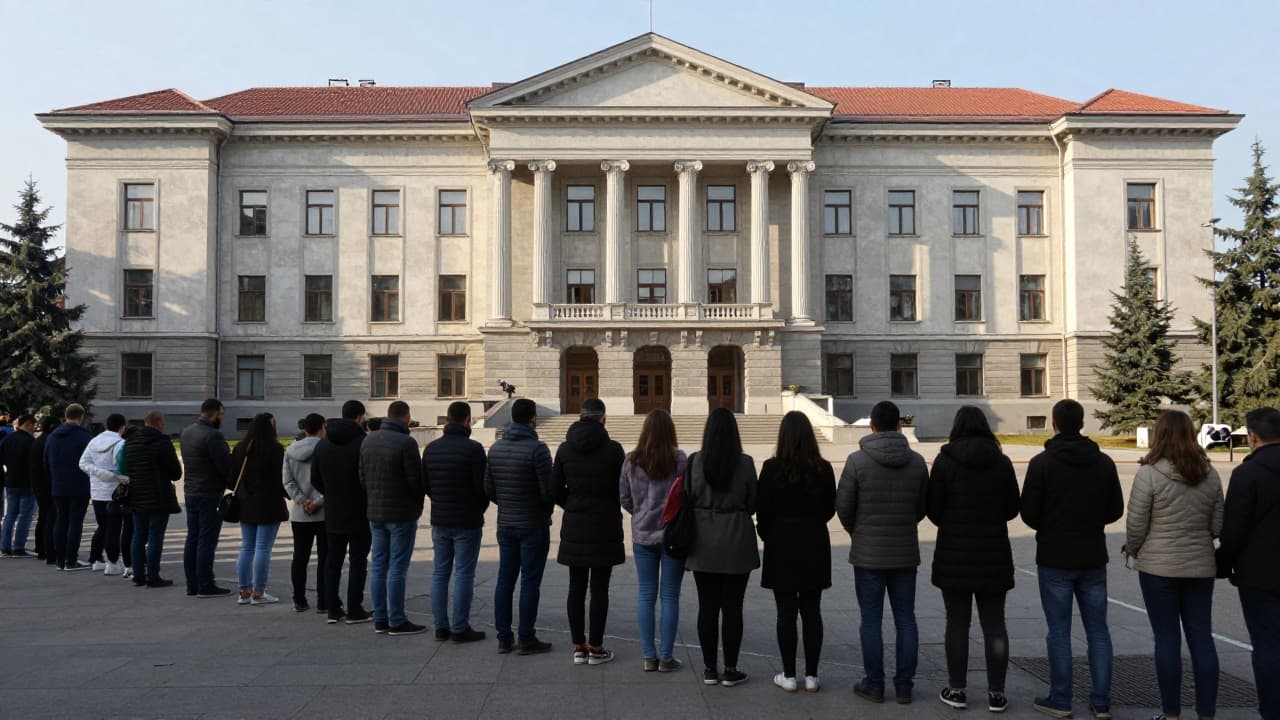
Abroad, 93 polling stations in 37 countries are open, where 102,147 voters have the right to vote. Voters from Kosovo will vote at 60 polling stations in Raška, Tutin, Vranje and Kuršumlija. At some polling stations in Belgrade, queues began to form before 07:00, and a queue of citizens was recorded outside the polling station at the Nada Petrović Primary School.
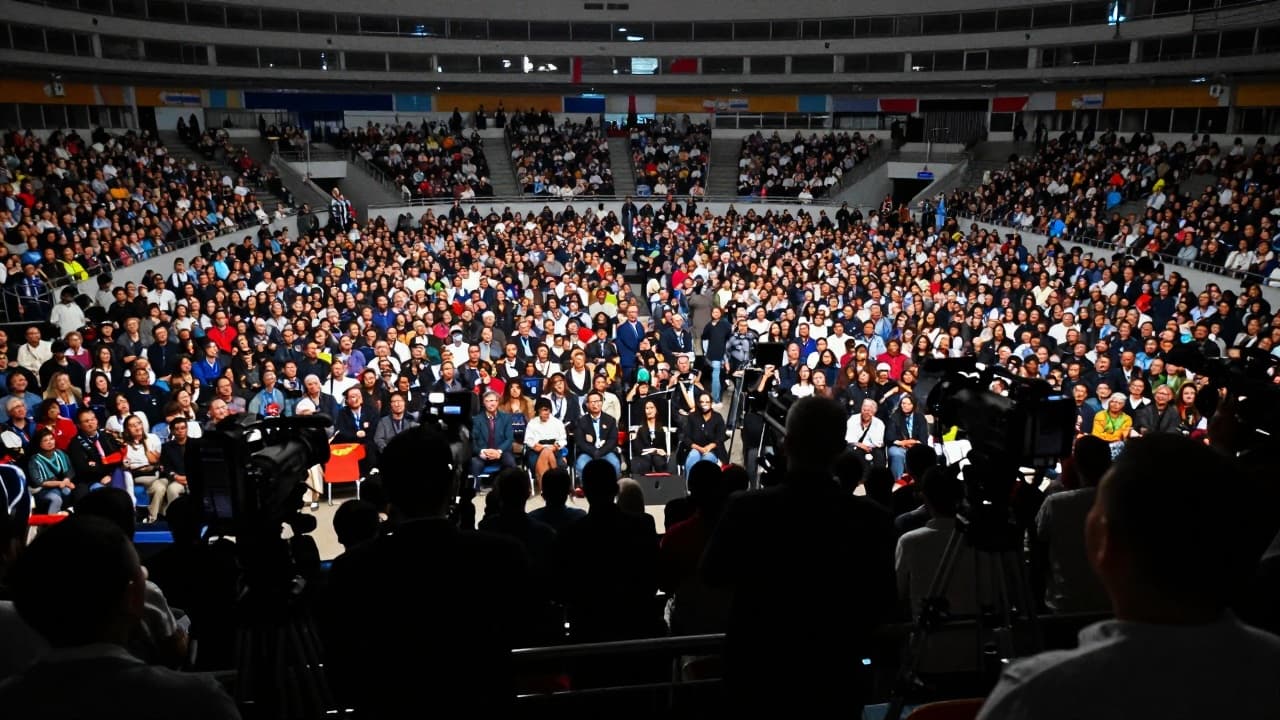
The electoral process will be monitored by a total of 16,271 observers from 26 domestic associations and 57 foreign organisations and associations. Among the observers are 622 international observers. The Kreni-Promeni movement will have the most observers, with 2,414, while MIM will have 2,407 observers. IT Blokada will have 1,622 observers, Crta 1,448, Guardians of Victory 1,314, Citizens on Watch 1,250, CESID 945, Erudita 837, Zapis 702, Popular Will 650, and New Generation 606 observers. Other organisations will have fewer than 300 observers.
The most numerous among the international observers will be representatives of the Office for Democratic Institutions and Human Rights (ODIHR), with 291. The Parliamentary Assembly of the OSCE will have 80 observers, the Parliamentary Assembly of the Council of Europe 24, and the European Parliament 15 observers. The elections will also be followed by representatives of numerous embassies and international organisations.
At the centre of political attention are the list gathered around Aleksandar Vučić and the Student List, which emerged from a large protest movement. The "Aleksandar Vučić – United Serbia" list is centred on the Serbian Progressive Party (SNS), which has been in power with coalition partners since 2012. Aleksandar Vučić is entering the elections as the former head of state, having resigned from the presidential office on 27 September to enter the parliamentary electoral race. Presidential powers were temporarily assumed by the President of the National Assembly, Ana Brnabić. Vučić has announced his ambition to become Prime Minister of Serbia again.
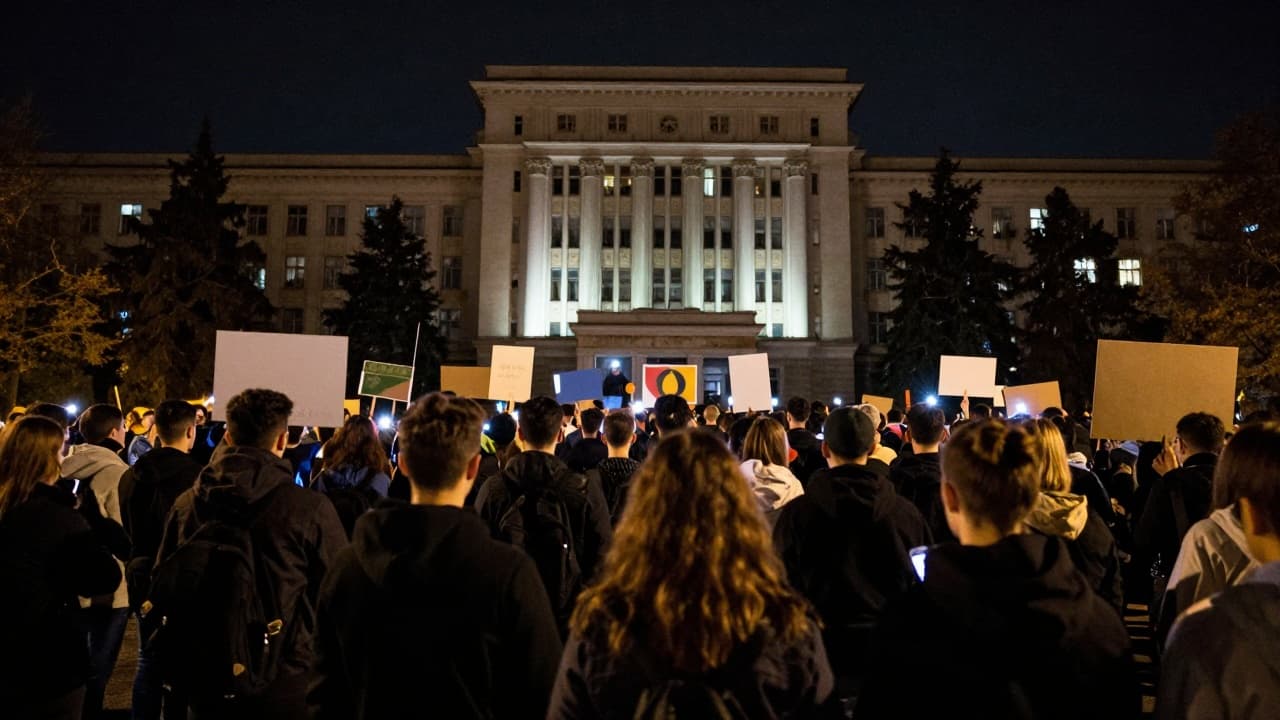
Student protests have become one of the most important features of the country’s political life. The political movement now facing voters began to gain strength after the tragedy at the railway station in Novi Sad on 1 November 2024, when 16 people died in the collapse of a canopy. Student protests began with demands to establish responsibility for the tragedy and gradually grew into a broader movement against corruption and for more effective functioning of state institutions. This was followed by faculty blockades, mass rallies and protest marches across Serbia. The movement demanded snap parliamentary elections and formed the Student List "Students Win", which includes people connected with the student protests, university professors, experts and representatives of various social groups.
Serbia is going to the polls after almost two years of political and social tensions. Citizens are not electing a head of state or a prime minister, but members of parliament, and the composition of the future government will be decided by the parliamentary majority formed on the basis of the election results. Voters have a total of 18 options, including other opposition parties, former SNS partners and national minority lists.
A delegation of the Parliamentary Assembly of the Council of Europe, after visiting Serbia in mid-October, warned of an extremely polarised political atmosphere, concern over unequal media coverage, and reports of pressure on voters and possible misuse of public resources. The elections are being monitored by an international observation mission from the OSCE Office for Democratic Institutions and Human Rights (ODIHR), which has announced that it will publish preliminary findings on Monday, 26 October.
Changes in the balance of political forces in Serbia are important for neighbouring states, including Croatia. The attitude towards the European Union, regional cooperation and the position of national minorities remain issues of interest for Zagreb. The Democratic Union of Croats in Vojvodina has, for the first time in its history, no candidates on any parliamentary list.
Voting ends at 20:00, when the electoral silence also ceases. The first unofficial estimates of the results are expected during the evening, and official results will be determined after the counting of votes and the implementation of legally prescribed procedures.