Serbia is holding early parliamentary elections today. Polling stations opened at 07:00 and will close at 20:00.
Eighteen lists are competing for 250 seats in the National Assembly, nine of which have minority status. Slightly more than 6.45 million voters are eligible to vote, with voting taking place at 8,392 polling stations, 93 of which are abroad.
For the first time, Aleksandar Vučić’s bloc faces a serious political force born out of student protests following the collapse of a canopy at the railway station in Novi Sad in November 2024, which killed 16 people. The main contest is between the coalition gathered around Aleksandar Vučić and the Student List. Ilija Srdanović, the lead candidate for the Student List, voted in Novi Sad, at polling station 58 in the "Prva vojvođanska brigada" Primary School. He expressed hope for calm and democratic elections, record turnout, and a legitimate new government. "Today we will legitimately elect a new government in Serbia," he said.
Voter turnout is significantly higher than in previous elections. According to data from CeSID and Ipsos, around 19.5 per cent of voters had cast their ballots by 10:00, compared with 9.8 per cent at the same time in 2023. According to data from the non-governmental organisation CRTA, 19.8 per cent of voters had voted by 10:00. The Student List published an estimate on Instagram that 1,200,000 people, or 19.7 per cent of citizens, had voted by 10:00. According to CeSID and Ipsos data published by Europe Elects, turnout by 09:00 UTC was 12 per cent, more than double the 2023 figure of 5.2 per cent.
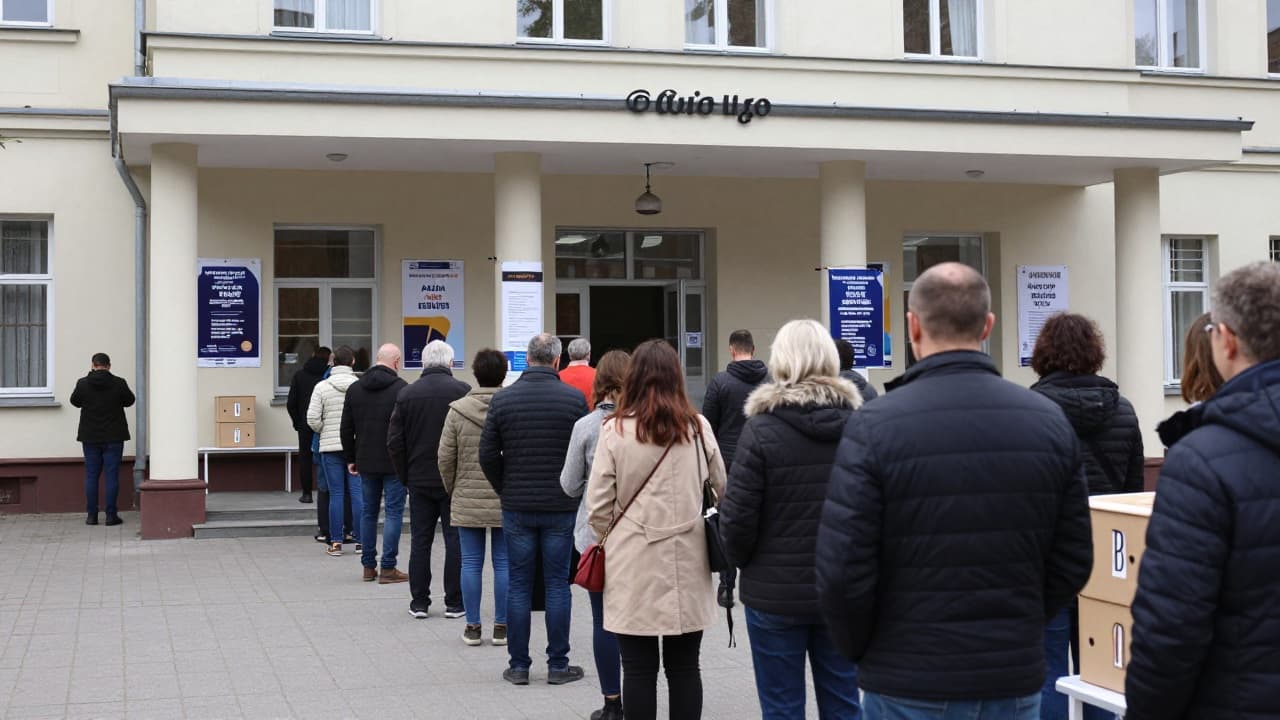
Aleksandar Vučić, the lead candidate for the "Aleksandar Vučić - United Serbia" list, voted in New Belgrade. A long queue formed outside the polling station from early morning, and Vučić waited almost two hours to vote alongside other citizens. He arrived at the polling station at 08:05 with his wife Tamara, but only reached the front of the queue after 10:00.
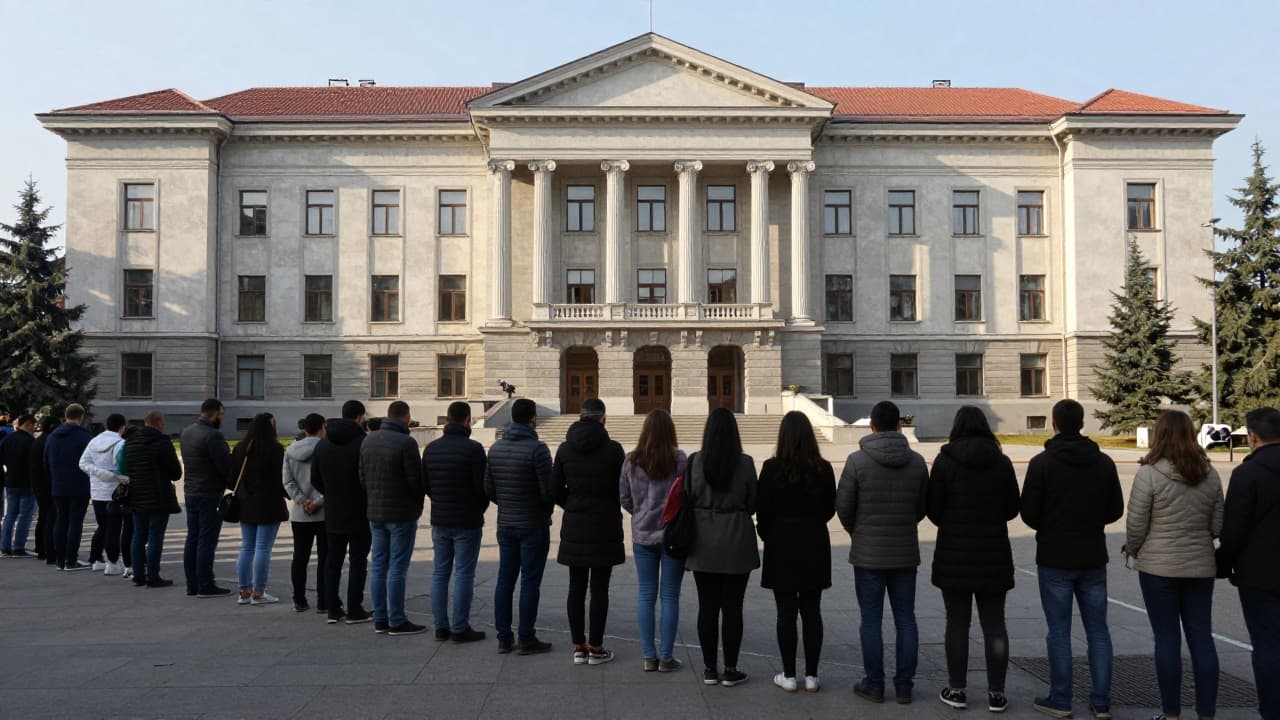
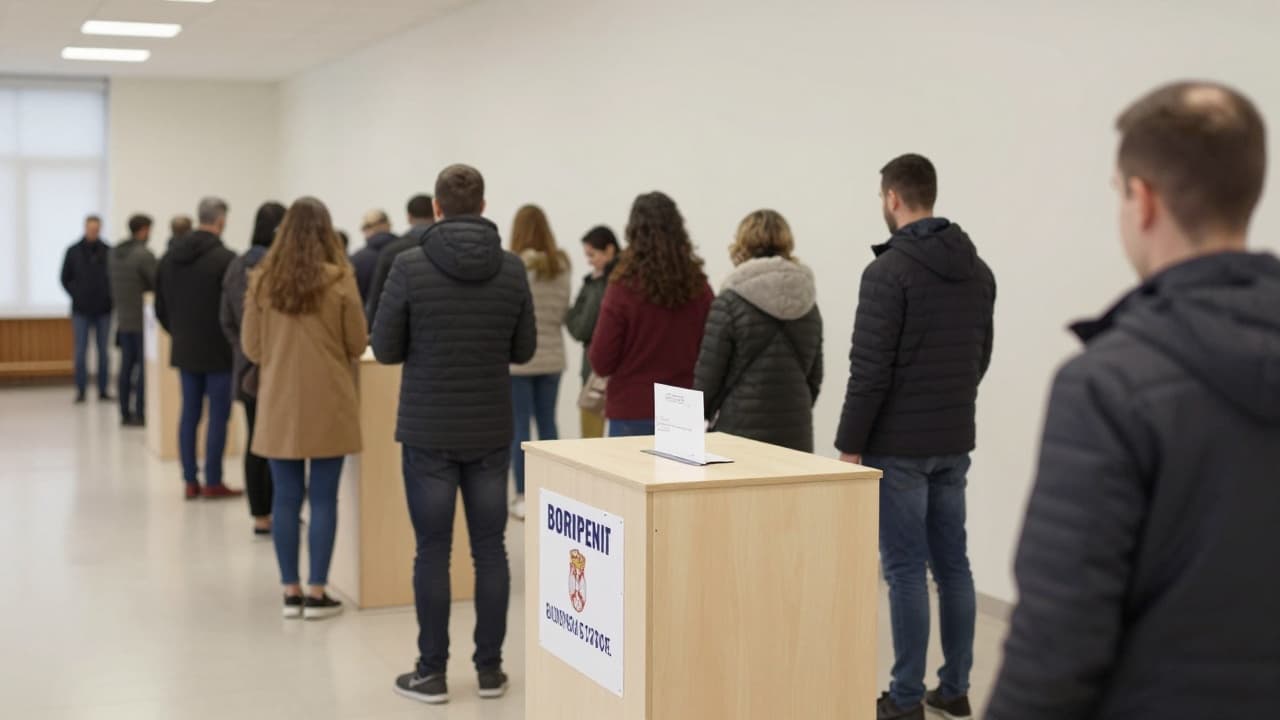
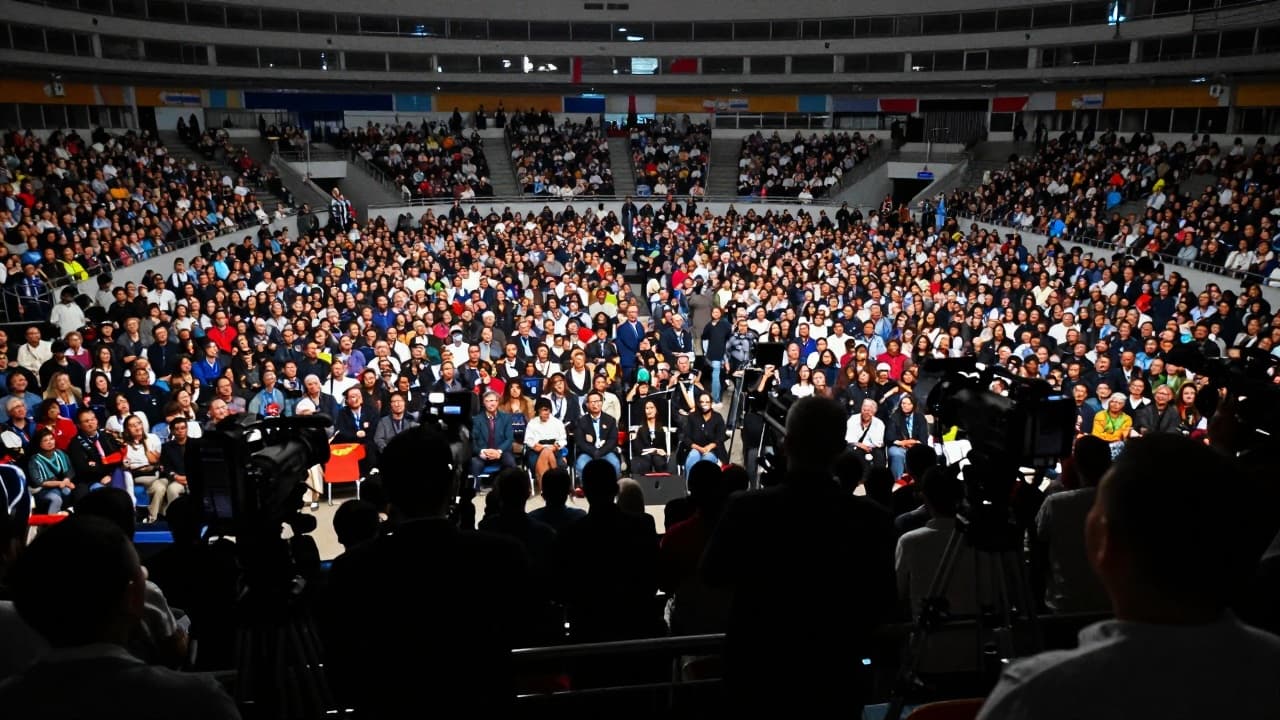
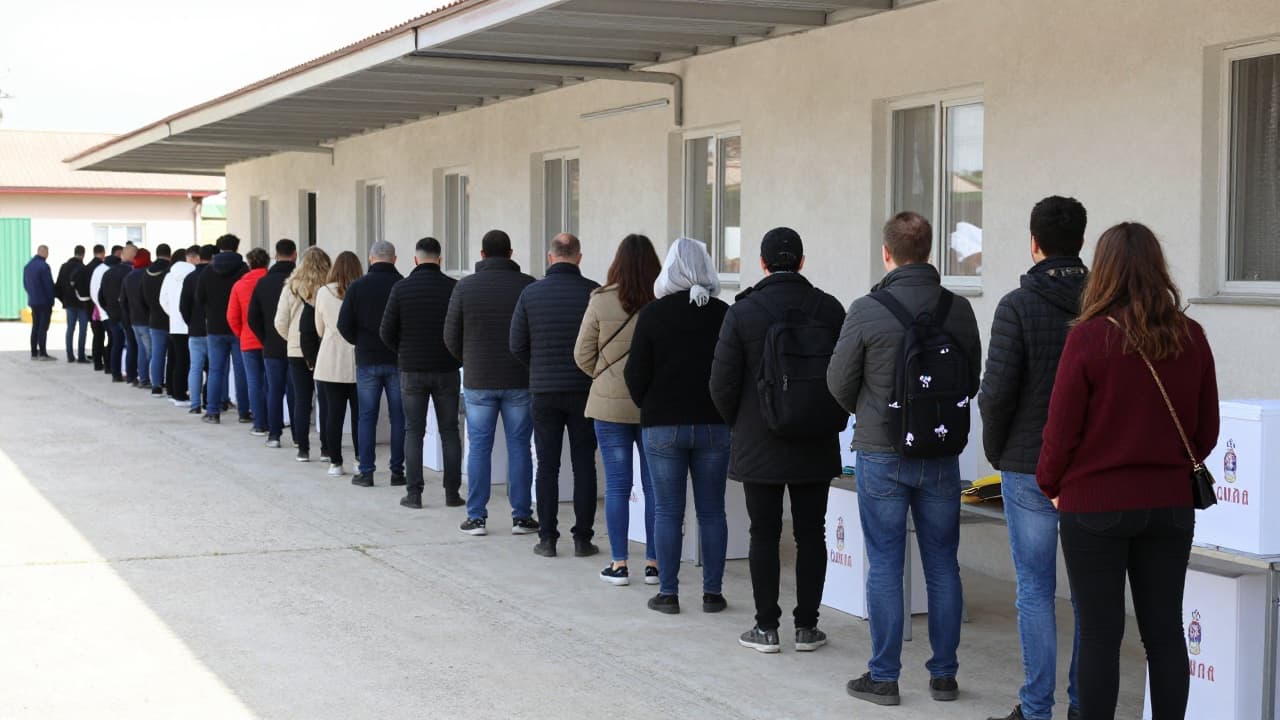
Long queues were recorded outside polling stations in Serbia and abroad. Serbs from Kosovo set off for voting in Serbia by car and bus, with congestion recorded at the border. Significant crowds were noted at the polling station in Raška, where voters from northern Kosovo cast their ballots. Serbian citizens living abroad have been heading to polling stations since morning, with many waiting in lines. A total of 102,147 voters are registered in 37 countries. All voters will go to polling stations according to local time in Serbia, meaning voting will continue through the night in some countries, such as the US and Australia. Queues for the Serbian parliamentary elections also formed in Zagreb.
In Šabac, citizens are waiting in lines to vote; 97,402 voters are eligible, voting at 100 polling stations in the city area and one at the Penal and Correctional Institution in Bogosavac. Due to technical problems, seven polling stations did not open at 07:00 as scheduled. At polling station number 35 in Čukarica, the opening of the station was delayed by one hour, and the police had to intervene. In the first half hour after the stations opened, two women collapsed. A cat refused to leave a polling station in Belgrade, prompting police intervention.
Đuro Macut, the Prime Minister of Serbia in a technical mandate, voted in the Voždovac district of Belgrade, at around 08:45 with his family at polling station 93 in the "Karađorđe" Primary School. He spent more than an hour in the queue due to unprecedented congestion at that station, and voting will only continue once the full list of registered voters arrives at the station. Ivica Dačić, the Minister of Internal Affairs in a technical mandate and lead candidate for the "Stability Factor" list, voted in a local community in Dedinje, at polling station number 35, accompanied by his wife Sanja and son Luka. According to polls, Dačić’s list is expected to win third place in the elections. Dačić claims that police were present outside the polling station but did not react. Marko Đurić, the Serbian Minister of Foreign Affairs in a technical mandate, voted shortly after 07:00 in the Vračar district of Belgrade.
In central Belgrade, public transport routes were altered on the section from Slavija towards Terazije, and part of the road from the intersection near London towards Terazije was closed to traffic with protective barriers. An electoral threshold of three per cent applies for entry into parliament, except for minority lists. The electoral process will be monitored by 16,271 observer representatives from 26 domestic and 57 foreign organisations and associations. The first preliminary results are expected by 22:00 on Sunday.