Violent protests that shook France over the weekend are unlikely to spread to Germany, according to political sociologist Simon Teune from the Free University of Berlin. He cites the different political systems, social conditions and protest cultures of the two countries as the reason.
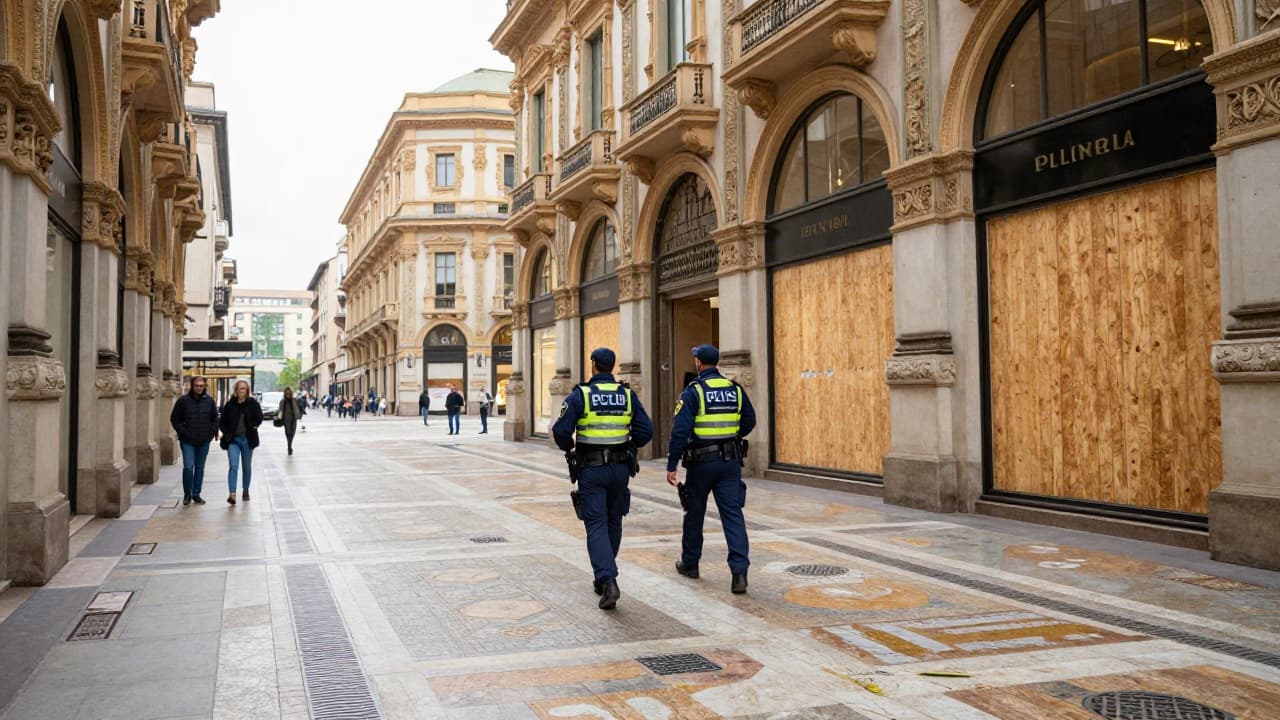
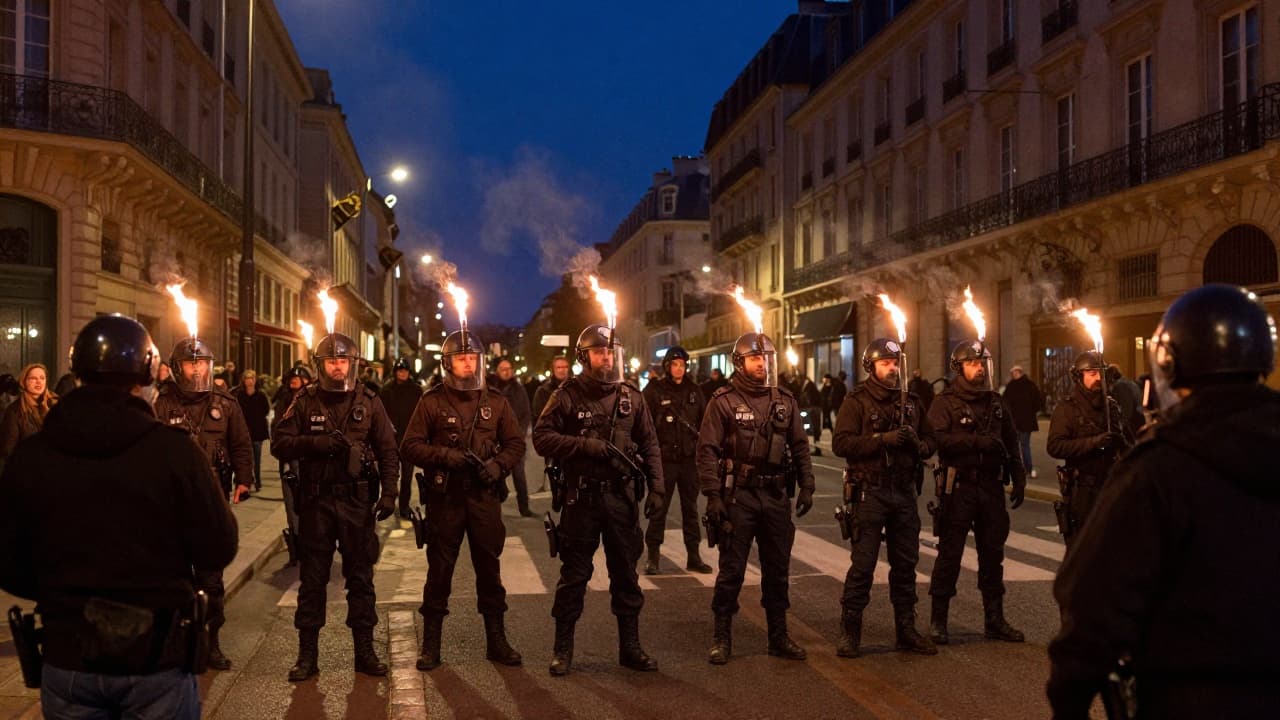
In France, hundreds of thousands of people protested over the weekend, with half a million taking to the streets. Discontent with politics was accompanied by significant violence; more than 2,000 people were arrested, and around 1,000 police officers and firefighters were injured. The protests spread to other European cities, including Milan and Brussels.
Teune, one of the founders of the Association for the Study of Protests and Social Movements, emphasises that social inequalities in France are significantly more pronounced than in Germany. Young people in France, among other things due to the high unemployment rate, are more worried about their future. In Germany, by contrast, an extremely peaceful protest culture has developed over the past decades, and decisions are made with the participation of various groups in the federal system. Unlike France with its central government, there is no single obvious opponent in Germany, and education policy is the responsibility of the federal states. The situation in Italy and Spain is more similar to that in France.
In France, there is a stronger tradition of confrontational protests, and the police more frequently apply a heavy-handed strategy, resorting to force even for minor offences. Clashes have become increasingly serious week by week. The protests began as student-led, but are now primarily directed against high living costs. During the 'Yellow Vest' protests, one group initiated a demonstration, which was then joined by other groups. Protests over the state of schools expanded to social issues: inflation, rising prices and living conditions in the banlieues, the poorer suburbs.
The right-wing political bloc links the riots to the migrant background of many offenders, but Teune notes that very different groups resort to violence. Young people from the suburbs often feel powerless and exposed to police abuse in their daily lives. Portraying migration as a problem is a universal strategy of the far right. Scenes such as the fire in the town hall in Limoges may appear shocking, but only a very small proportion of protesters attacked police, looted shops and set cars on fire.
We hear two messages from President Emmanuel Macron: on the one hand, an admission that the reaction to the protests was not appropriate, and on the other, threats of strict measures. Teune reminds us that there is evidence that non-violent protests more often lead to success. Violence can act as a catalyst by signalling to politicians that a situation is urgent, but it can also lead to the condemnation of the entire protest.