The State Election Commission (RIK) has declared 17 election lists for the parliamentary elections in Serbia, to be held on 25 October. The deadline for submitting lists is midnight on Sunday, with the final list to be published by the RIK by 9 October.
Of the 17 declared lists, one has been withdrawn. Seven lists representing ethnic minorities are in the race. The leadership of the withdrawn list has urged supporters to back the Student List.
According to public opinion polls, the Student List is seen as the most serious challenger to the ruling Serbian Progressive Party (SNS) and its list leader, the former President of Serbia, Aleksandar Vučić. Vučić resigned from the presidency on 27 September, shortening his second term by more than seven months to lead the SNS in the election. Following his resignation, he stated that if the SNS were to win a majority of seats, he expected to be appointed prime minister, which would allow the progressives to retain and consolidate power after 14 years, since their victory in the 2012 elections.
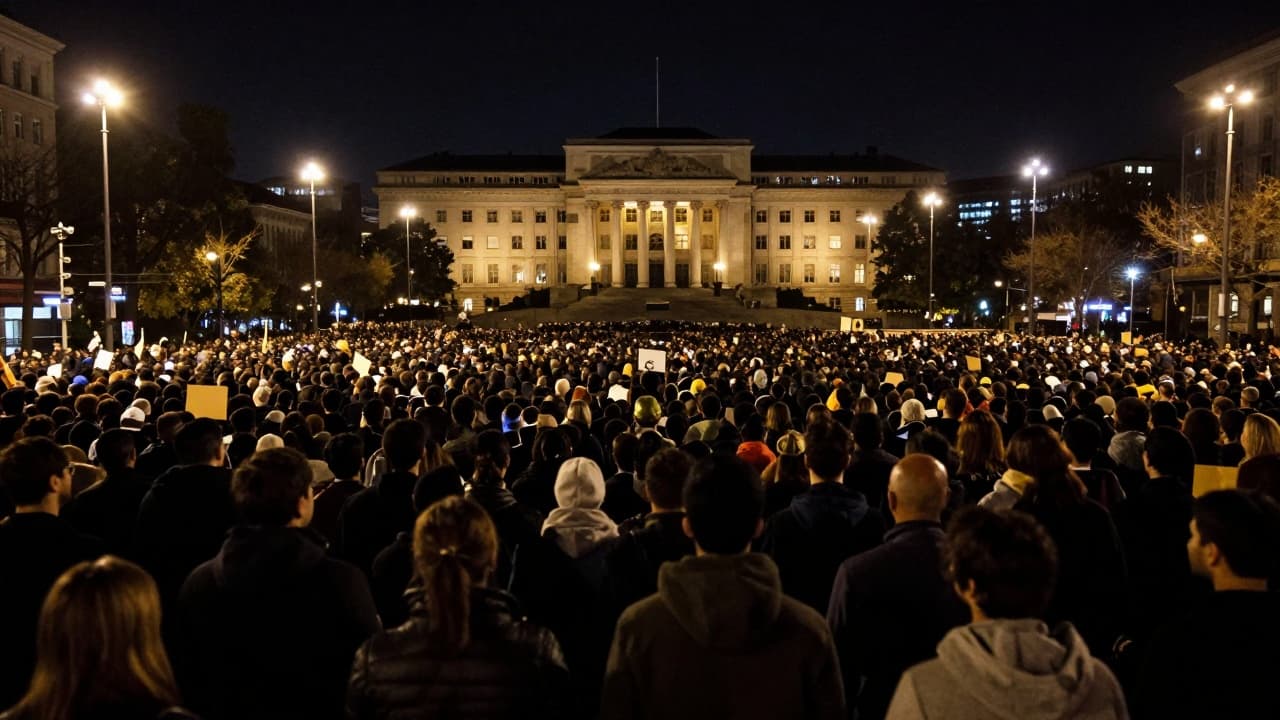
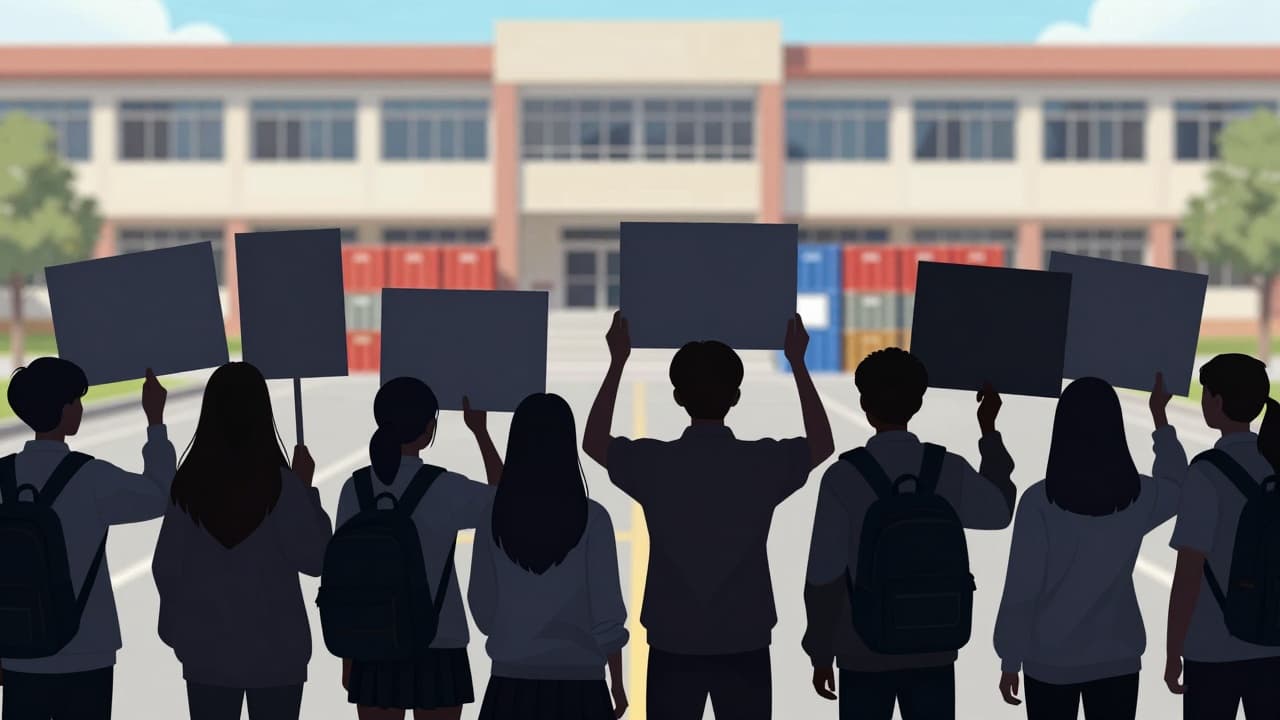
The Student List was launched by a student movement that has led pro-democracy protests for nearly two years. The protests were triggered by the death of 16 people in a collapse of a canopy at a newly renovated railway station in Novi Sad on 1 November 2024. The protests demand accountability from the authorities for the Novi Sad tragedy, as well as an end to corruption and political interference in institutions, particularly the judiciary. The list brings together university professors, scientists, teachers, experts, actors, athletes, and many other individuals from a broader social and political spectrum.
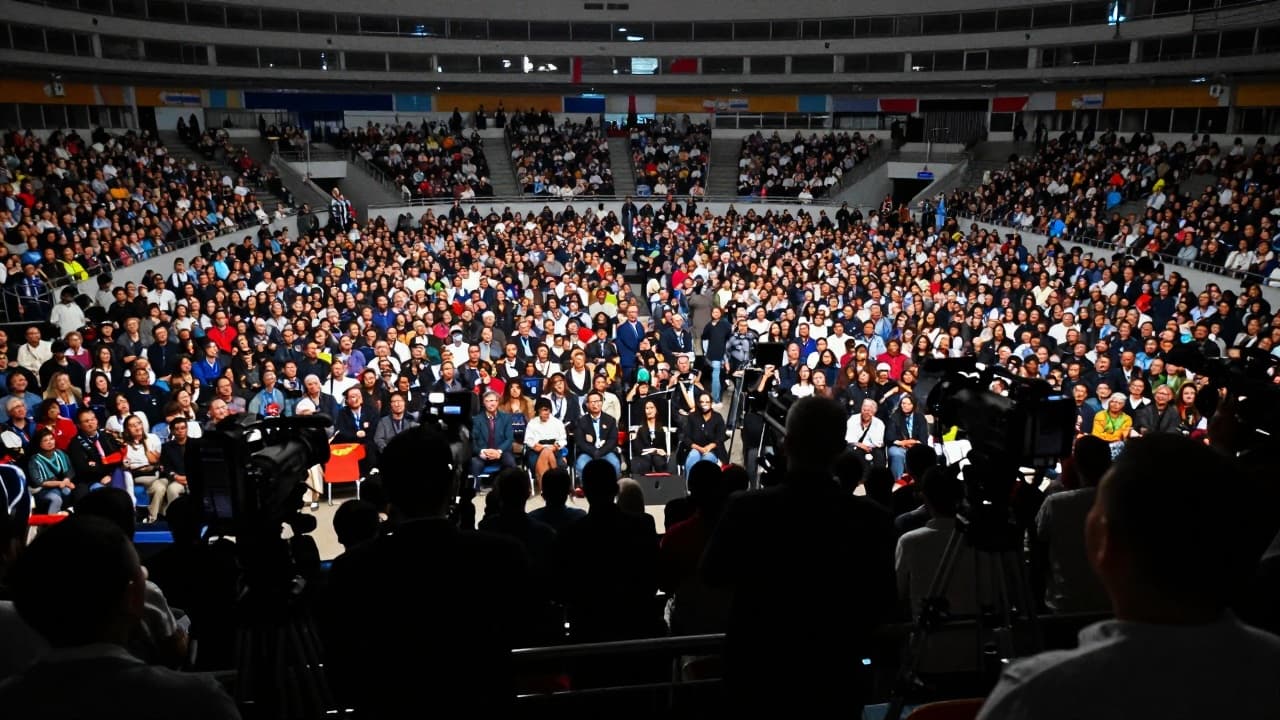
Vučić has described the Student List as the main rival to the SNS list, accusing it of seeking to 'halt Serbia'. He has claimed that foreign services and agents are behind it, without providing evidence. This narrative was reiterated by Vučić on Saturday evening at a rally of his supporters in the Belgrade Arena, where supporters were brought in by the dozen buses from across Serbia, and the event was broadcast by more than 30 pro-government cable and national television stations. 'If there is no intervention by a (foreign) intelligence service, we will defeat them. And they know that,' said Vučić.
Vučić's political opponents argue that, despite his resignation as president, he has not lost real political power, and that his resignation is merely a political facade, as he continues to 'pull the strings'.
The elections are taking place against a backdrop of increasingly sharp political and social tensions, with reports of numerous incidents and physical clashes at election rallies. Supporters of Vučić have also targeted students canvassing door-to-door, as well as journalists and media workers. The latest in a series of incidents was an attack on a student, who was injured by a lawnmower blade while he and a group of colleagues were attempting to present the student list in the Belgrade municipality of Grocka.
Numerous irregularities and violence have characterised previous elections in Serbia. European institutions, in a series of previous reports on the country's progress, have warned of the decline of democracy in the country, which has been an EU candidate since March 2012. Numerous human rights and media freedom organisations have highlighted police violence, arbitrary arrests, unauthorised surveillance, and threats against journalists, all of which have recurred in the campaign for the 25 October election.