California and Washington requested in May that the US Centers for Disease Control and Prevention (CDC) validate a new method for testing for measles. After two months of waiting, the CDC rejected the request, citing "other competing priorities".
The request and subsequent rejection were detailed in a letter sent by the Western Health Alliance to CDC Director Erica Schwartz. The letter was signed by health officials from California, Hawaii, Oregon and Washington. It asks Schwartz to reconsider the decision and validate a high-throughput rapid measles test as preparation for large-scale epidemic outbreaks.
The Alliance also asked the CDC to develop protocols for testing other high-priority pathogens to prepare for future outbreaks. Officials stated that such a test would "dramatically strengthen" the ability of laboratories to respond quickly to outbreaks. According to them, the test would also aid in preparedness for known pathogens such as Ebola or hantavirus, as well as for new threats.
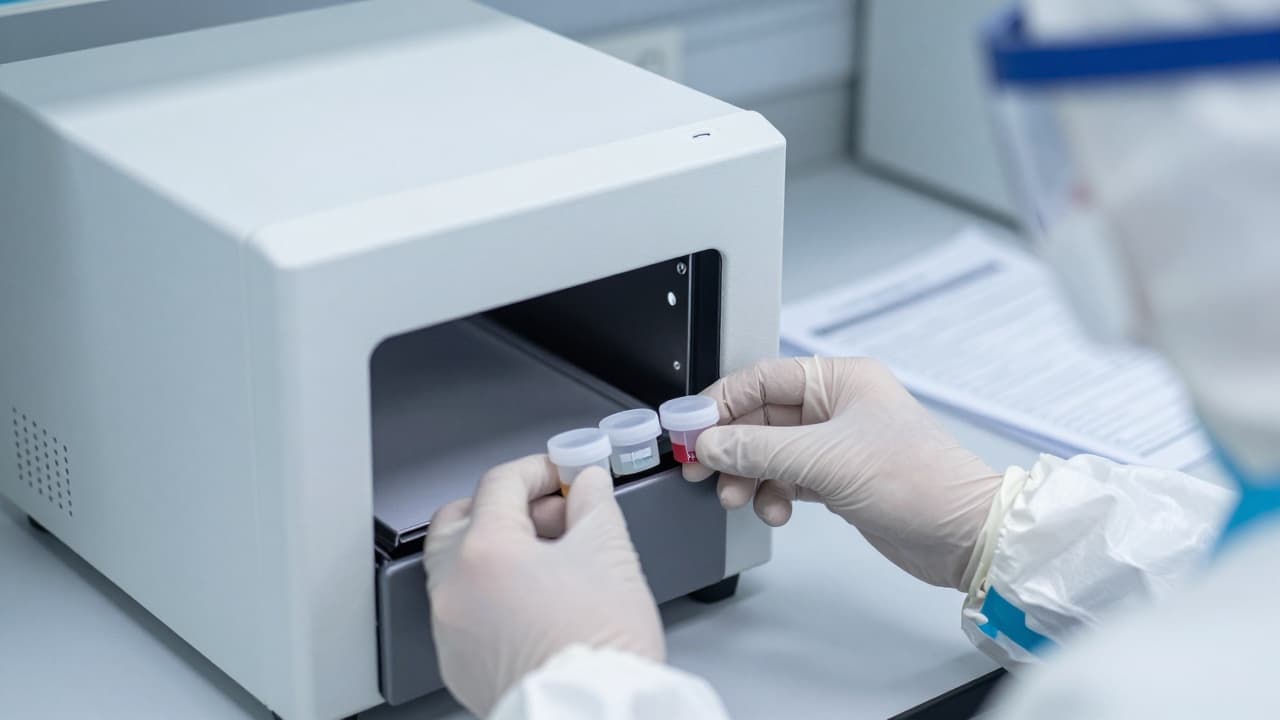
Currently, measles laboratories must rely on lower-throughput tests, such as individual PCR tests. During the pandemic, most public health laboratories acquired high-throughput equipment, such as the Hologic Panther Fusion platform, a PCR diagnostic platform capable of processing up to 500 tests in eight hours. There is no high-throughput test for measles diagnosis that has been published or validated by the CDC.
State laboratories in Texas developed such a test during the measles outbreak in West Texas last year, but did not distribute it or publish the protocol. The CDC could adopt and publish that or another protocol to allow other public health laboratories to conduct laboratory diagnostics. According to officials in the letter, the CDC has reportedly completed studies on the Texas test and another from ARUP Laboratories, "but they were not complete validations or comprehensive comparisons".
The Alliance asked Schwartz to develop a measles diagnostic test on the Panther Fusion platform and publish the protocol so that any laboratory could conduct testing. The letter notes that test readiness is a key part of preparation. "If a large outbreak were to appear in our region, without high-throughput capacity it would be more difficult to appropriately scale up diagnostic testing, which would harm patient care and public health investigation," the letter states.
Emily Hilliard, a spokesperson for the US Department of Health and Human Services (HHS), stated that the CDC "ensures that state and local health departments have the necessary support to strengthen measles detection and outbreak response." Hilliard also said that the agency "prioritises new technologies" in its response to the measles outbreak. The spokesperson did not answer questions about whether the CDC plans to validate a high-throughput measles test.