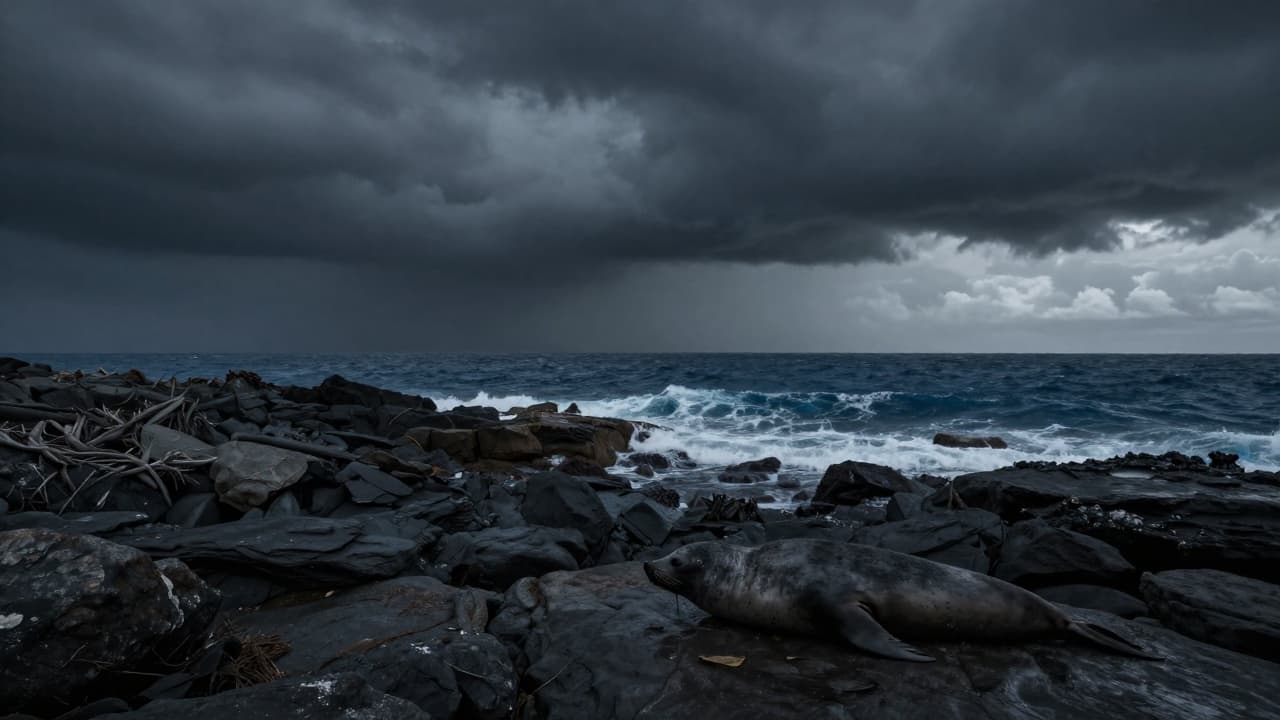
In Australia, the first confirmed case of bird flu (H5) in a mammal has been recorded, confirming that the infection has spread beyond birds. The case involves a long-nosed fur seal (Arctocephalus forsteri) that died following an infection, representing a significant development in tracking the evolution of the virus in this region. The carcass was found on the south-east coast of Australia, near Beachport, in the state of South Australia.
The Minister for Agriculture, Julie Collins, stated that the death of the mammal was 'expected' given the spread of the virus in the region. Her department noted that a total of 298 incidents related to the virus have been recorded across the Australian continent. Of these, 183 are located in South Australia, indicating a high level of viral activity in that specific area.
Other states are also reporting cases, albeit on a smaller scale. Victoria has recorded 86 cases, New South Wales 11, Western Australia 10, seven in Tasmania, while one case has been recorded in Queensland. These figures illustrate the breadth of the virus's reach across different parts of the Australian continent, although the frequency and severity of manifestation vary by location.
Minister for Agriculture Collins highlighted that the risk of transmission from animals to humans remains low. Nevertheless, the public has been advised to exercise caution and avoid contact with sick or dead birds. Citizens are urged to report such incidents so that the spread of the infection can be monitored, which can be done via the birdflu.gov.au website. This measure is crucial for monitoring trends and preventing the spread of the infection, both among animals and potentially to humans, although the current risk of transmission to humans remains assessed as low.