Parliamentary elections in Israel have concluded without a clear winner, according to exit polls from the country's main television networks. Neither Prime Minister Benjamin Netanyahu nor his main rival Gadi Eisenkot currently holds the majority required to form a government.
A majority in the Knesset, the Israeli parliament comprising 120 members, requires 61 seats. According to exit polls, the opposition bloc led by Eisenkot would win between 50 and 53 mandates, while Netanyahu's ruling coalition is projected to secure around 50 seats. Neither bloc thus has enough members to form a government independently.
Netanyahu's Likud is expected to remain the largest single party in parliament, with between 24 and 25 mandates. Exit polls from the three largest television networks predict that Eisenkot's Yashar party will win between 21 and 23 parliamentary seats. Arab parties in Israel, according to these polls, have achieved a record number of seats, and their mandates could be crucial in negotiations to form a new government.
The first official results are expected to begin being published from 22:00 Central European Time, but counting all votes could take several days. The final distribution of mandates may differ from that indicated by exit polls. It is estimated that around 600,000 votes cast via special ballots will not be fully counted until Thursday, representing approximately 10 per cent of the total number of votes. The majority of these ballots come from members of the Israeli military.
After the announcement of final results, the Israeli president holds consultations with representatives of parliamentary parties, and then entrusts the mandate to form a government to the politician he assesses has the best chance of securing parliamentary majority support. This process can last several weeks, especially if no political bloc has a clear majority. Parties must then negotiate possible coalitions and agree on a joint programme before a new government can take office.
A political stalemate could suit Netanyahu, as it would allow him to remain at the head of a caretaker government while negotiations for a new coalition continue, Reuters assesses. Netanyahu is the Israeli politician with the longest tenure as prime minister, having served a total of around 19 years. During the campaign, he emphasised his role in leading the country during wars and his close alliance with current US President Donald Trump, who has provided him with political support. The United States joined Israel in its attack on Iran, and the Israeli prime minister stated on Sunday that Trump is ready to act again to "finally" eliminate the Iranian threat. He claimed that the US president is only prepared for such a move on the condition that Netanyahu remains in power.
Eisenkot sharply criticised such a campaign, accusing Netanyahu of "relying on a campaign of sowing fear, lies and threats". He expressed confidence that Trump would cooperate with any Israeli leader chosen by the citizens.
The elections are held after one of the most difficult periods in Israel's history since its founding in 1948. The country was marked by the Hamas attack on 7 October 2023, the subsequent Israeli military offensive in Gaza, and deep political and social divisions. Netanyahu's right-wing government faced sharp criticism for security failures that enabled the Hamas attack, as well as for the conduct of the war. These events became a central issue in this year's election campaign, and for many of Netanyahu's opponents, the key question is political accountability for 7 October 2023, the deadliest day in Israeli history.
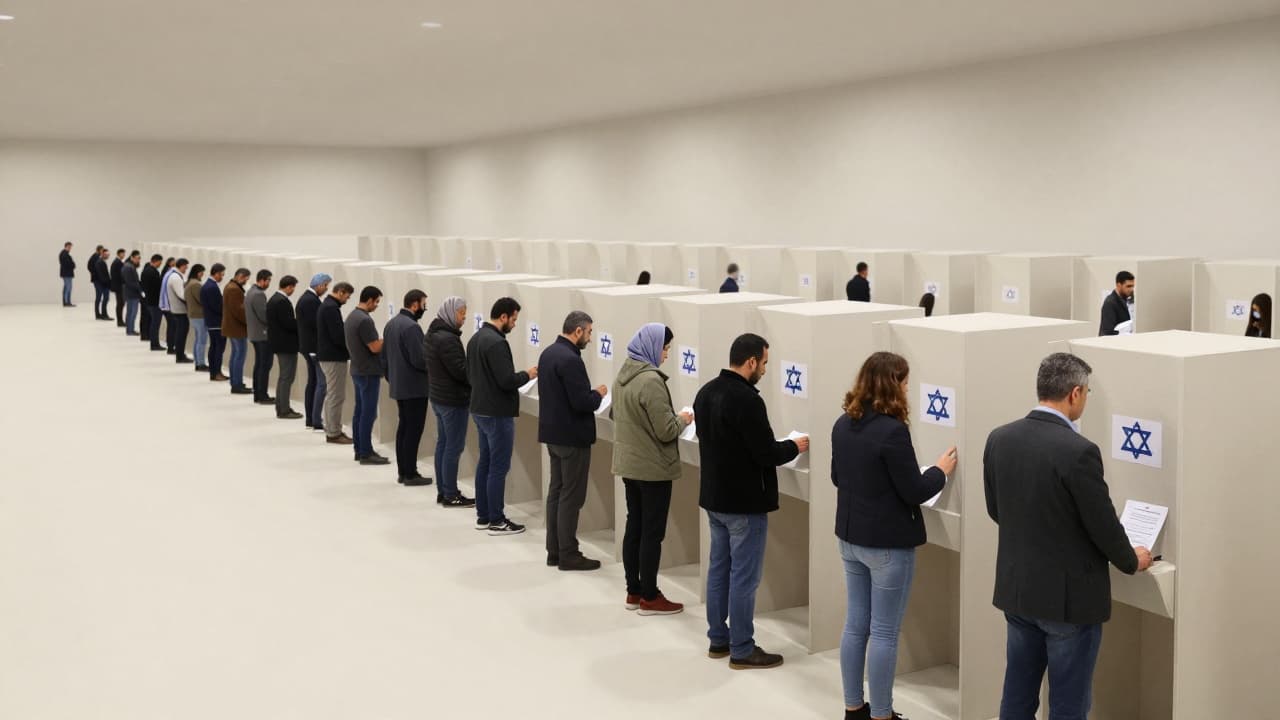
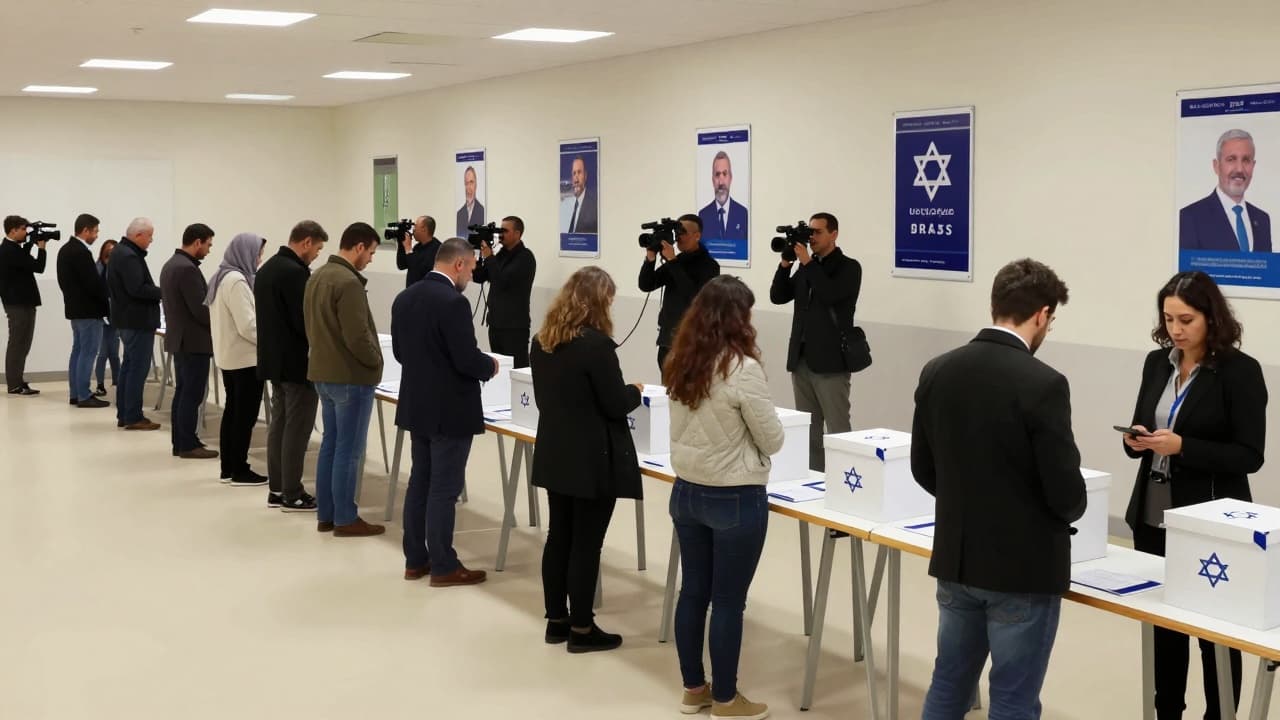
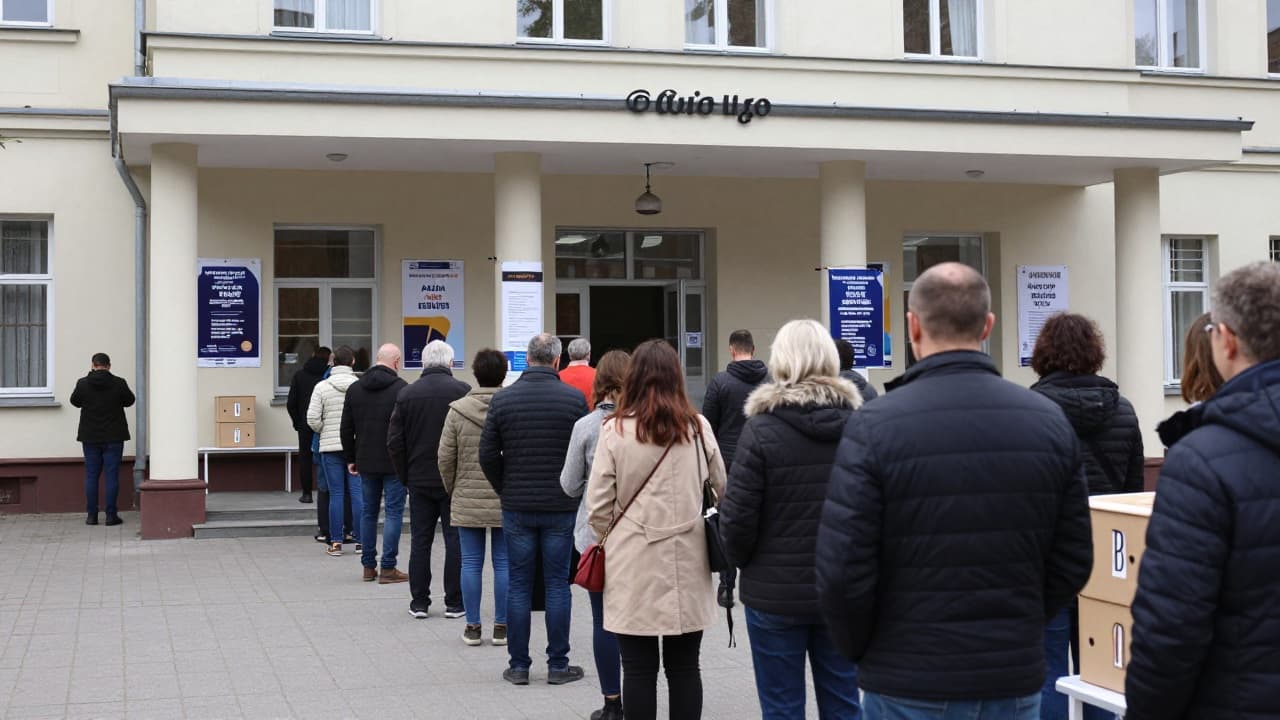
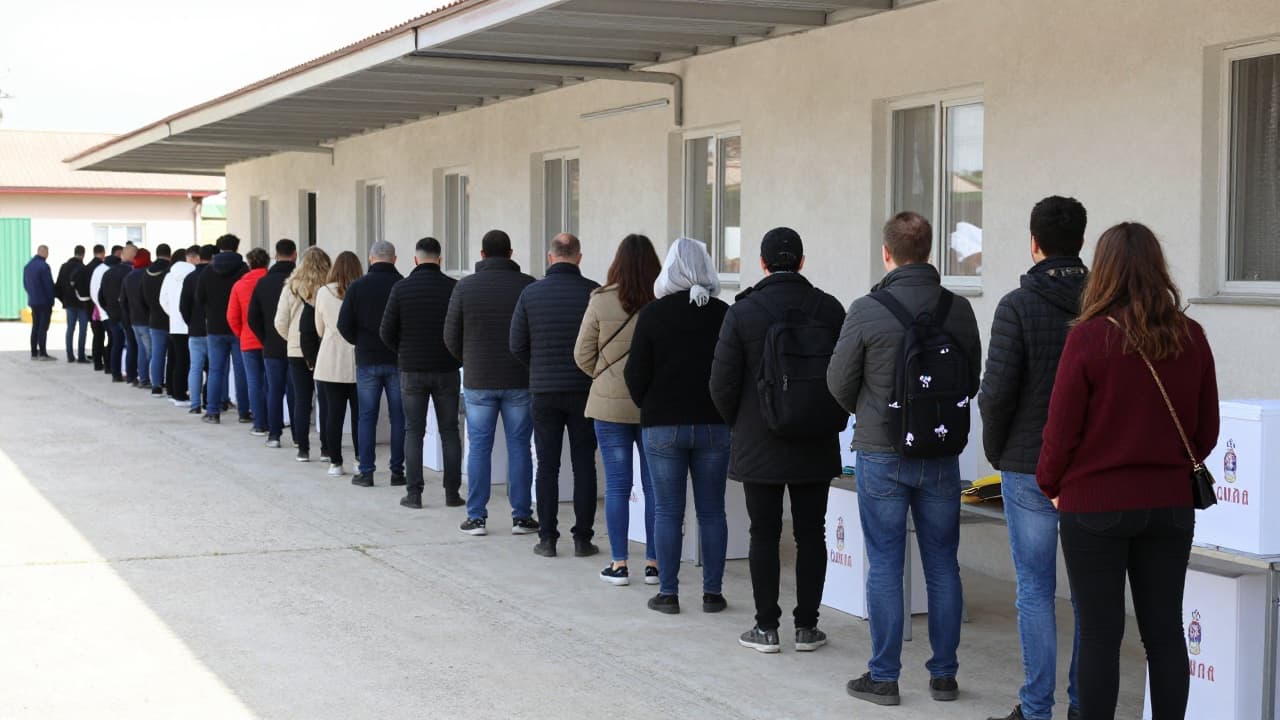
Polling stations closed at 22:00 local time, and citizens who were in queues at the time of closing still have the right to vote. According to the Israeli electoral commission, voters who arrived at the polling station by 22:00 have the right to vote, even if they are still waiting in line. Turnout was record-high: by 20:00, 74.3 per cent of voters had cast their ballots, significantly higher than in the 2022 elections, when 66.3 per cent had voted at the same time. Today's turnout has already exceeded the total turnout in the 2022 elections, when 70.6 per cent of voters had cast their ballots by the time polling stations closed.
Israeli Foreign Minister Gideon Saar stated that the prime minister's political opponents are celebrating too early following the release of the first exit polls. "Celebration on the left is premature," Saar wrote on the social media platform X. "The self-indulgence of biased commentators is ridiculous. One thing seems quite clear: Likud is the largest party in Israel," he added. Netanyahu has not yet commented on the exit poll results, and according to the Israeli newspaper Ynet, his arrival at the Likud election headquarters in Jerusalem is expected around 01:00 local time, which is midnight in Croatian time.
Gadi Eisenkot, leader of the opposition Yashar party, spoke out after the release of the first exit polls. "The results indicate complete distrust of Netanyahu and the government of 7 October," Eisenkot wrote on the social media platform X, alluding to the Hamas attack on Israel on 7 October 2023. He stated that he would "act immediately" to replace Netanyahu's government with a new one in the shortest possible time. According to Channel 12 projections, Likud wins 24 parliamentary seats, and Yashar 22 seats. According to Channel 11 projections, the opposition bloc led by Eisenkot wins more parliamentary seats than Netanyahu's coalition.
If a new majority cannot be formed, Netanyahu would remain prime minister at the head of a caretaker government until a new one is formed. Israel has already gone through a similar period between 2019 and 2022, when as many as five parliamentary elections were held. In the event of a prolonged political stalemate, new elections could be called.