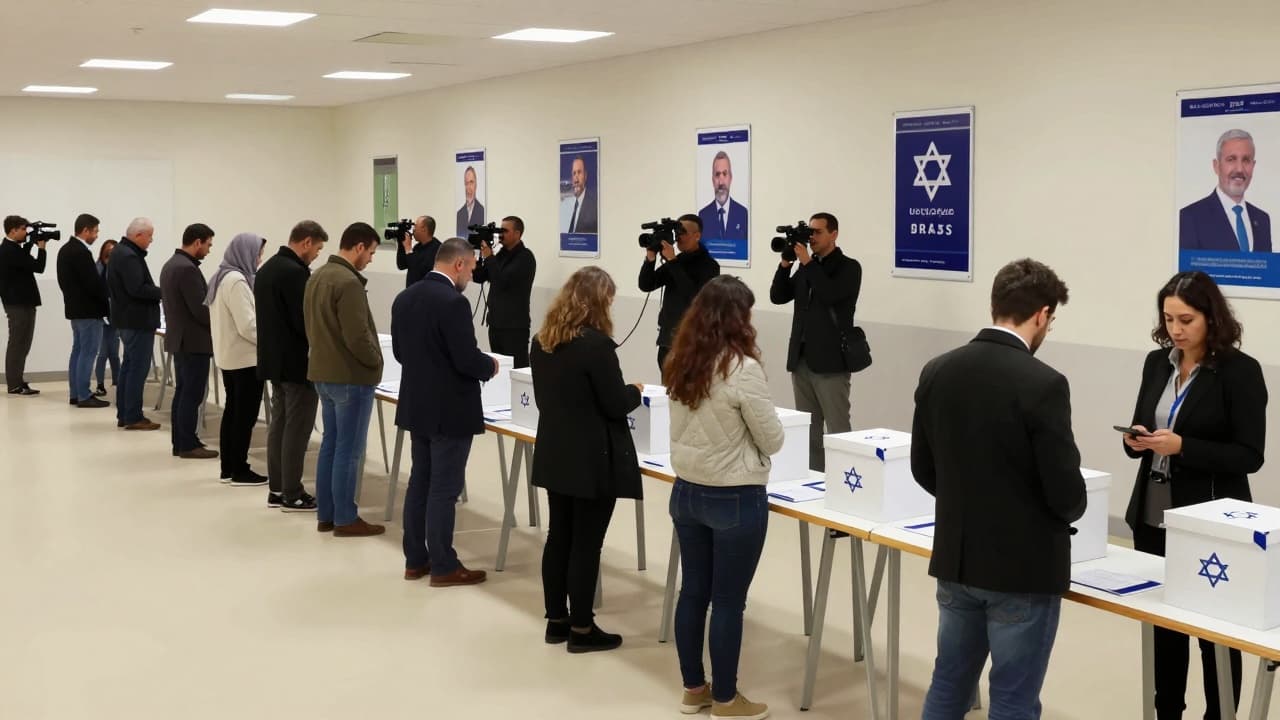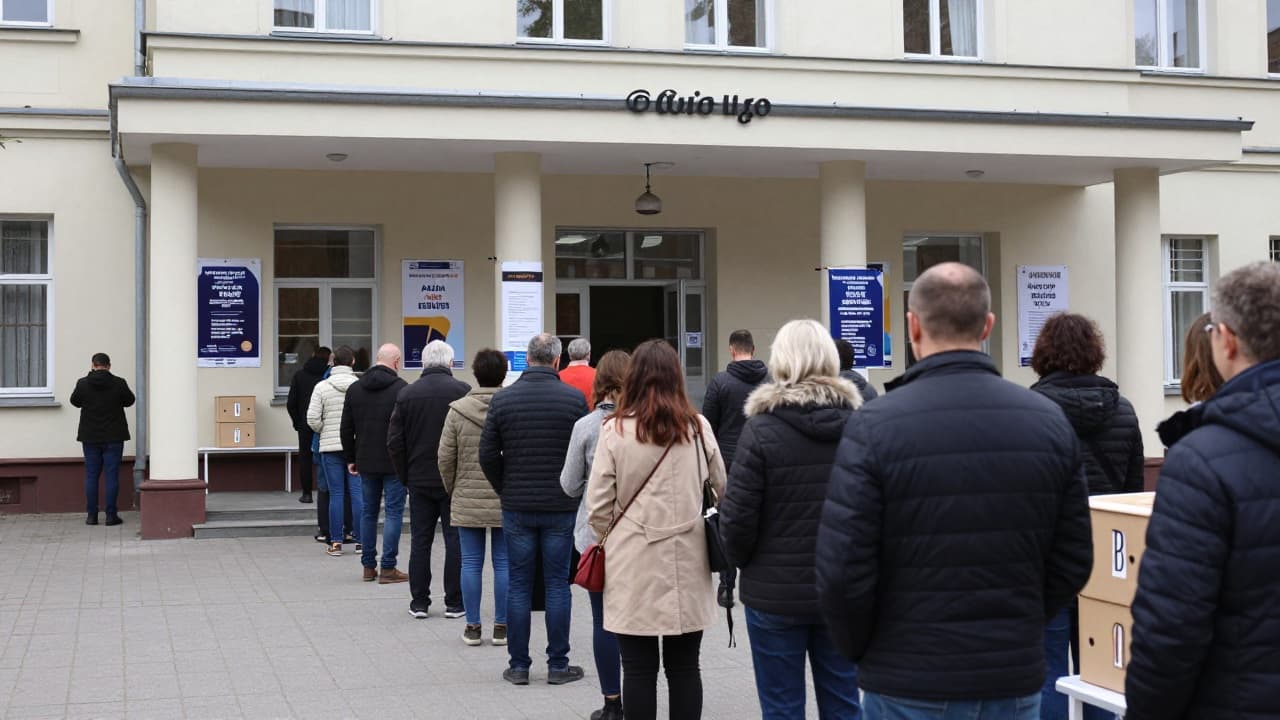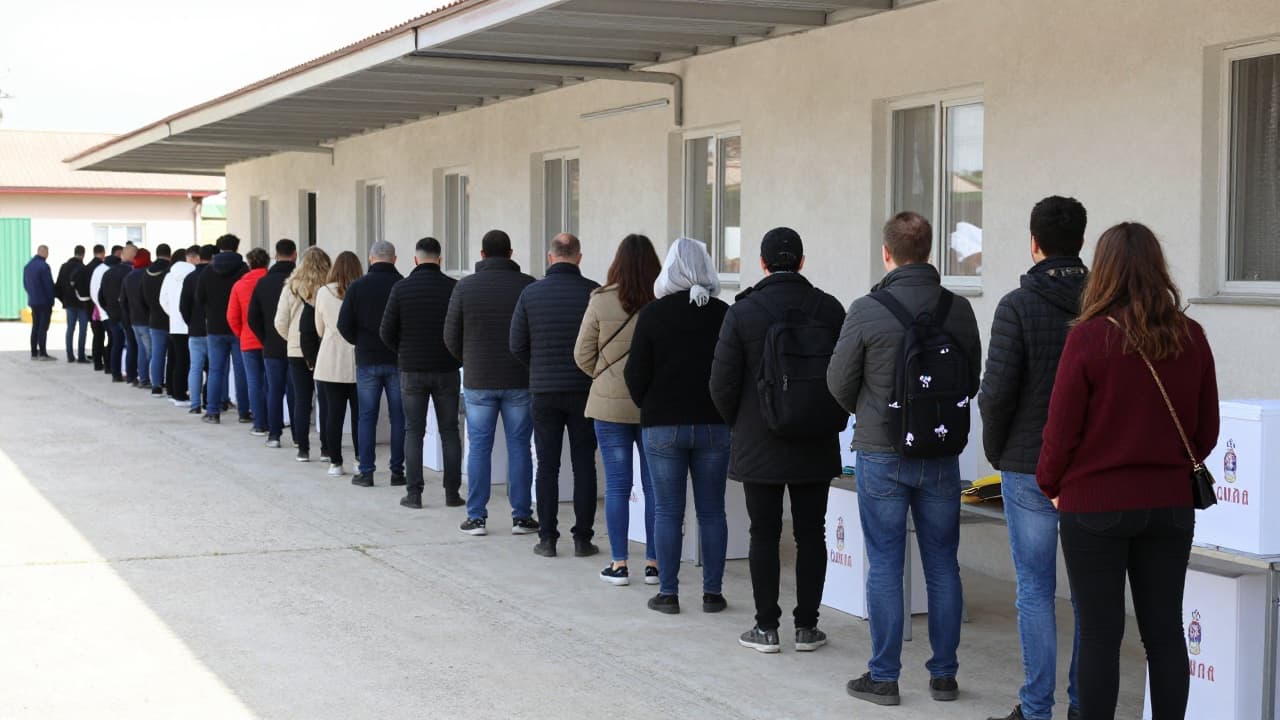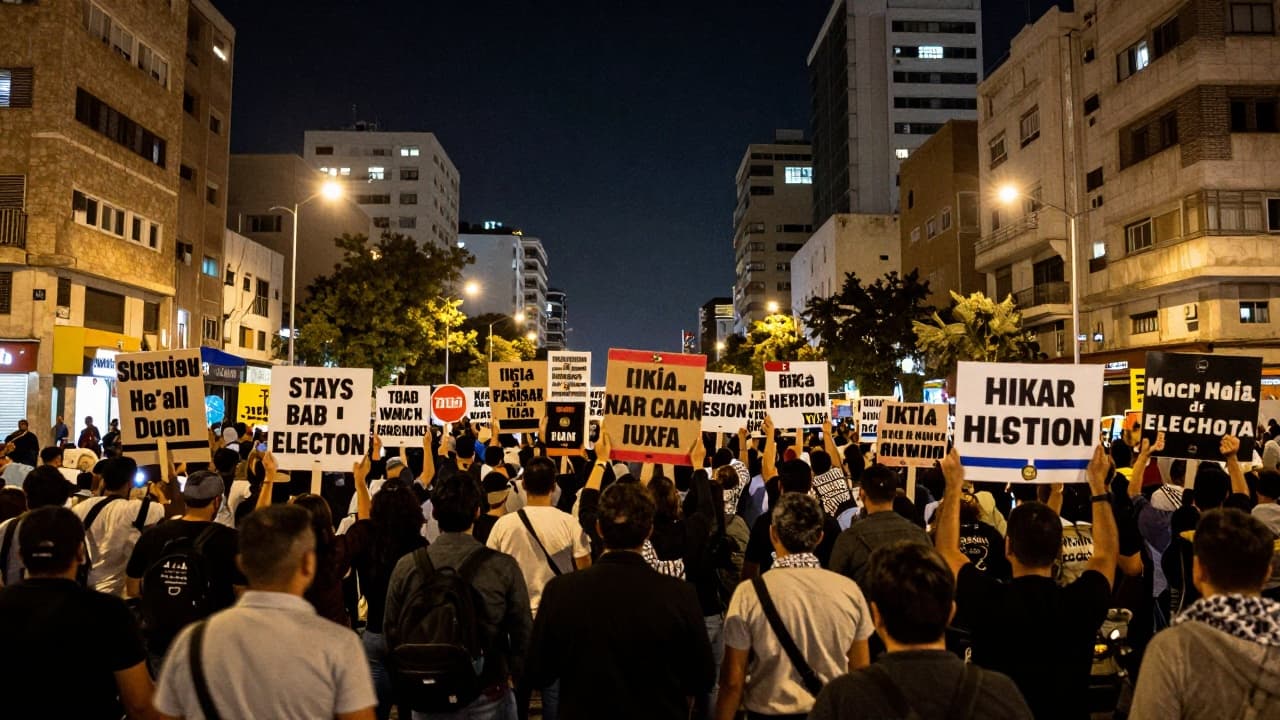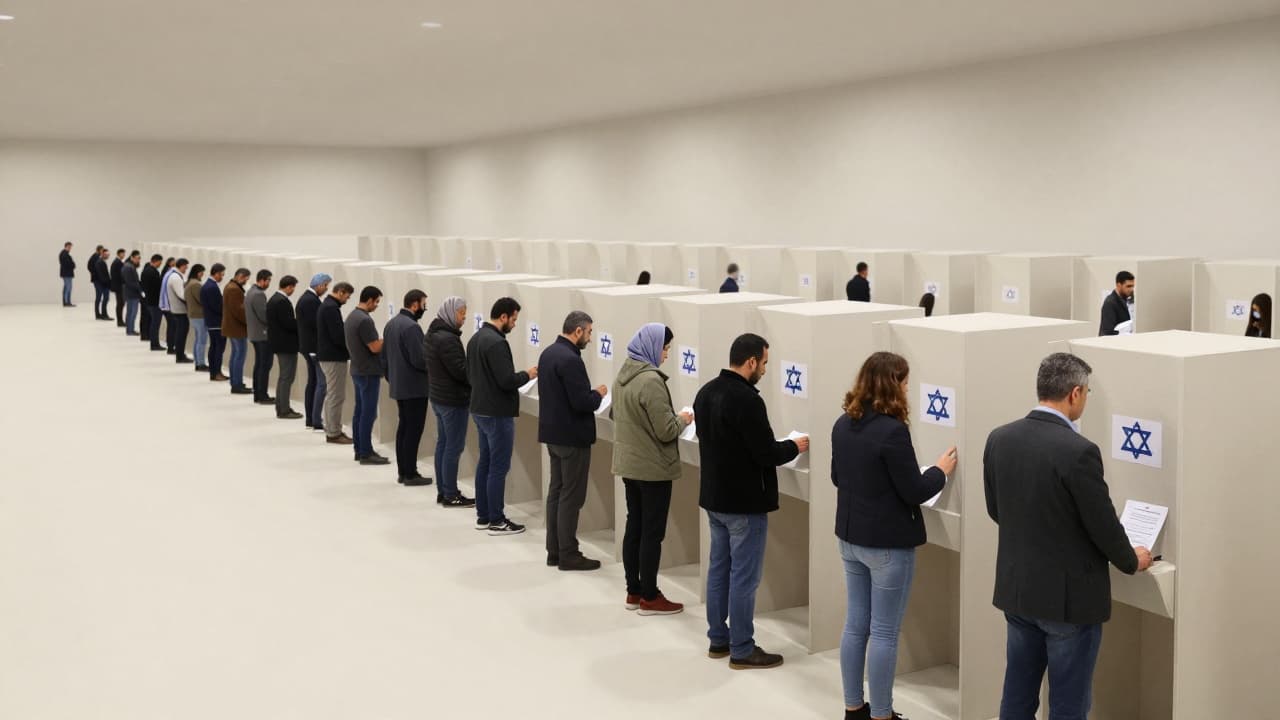
Voting is underway across Israel, and the counting of votes has begun in elections that many Israelis described as the most important in their country's history. The first official results are expected around 1 o'clock on Wednesday local time.
Voter turnout by 22 o'clock on Tuesday reached 77.7 per cent, the highest in nearly three decades. The elections were also marked by record participation from Israeli Arab voters. According to the Aid Coalition, a US non-profit organisation focused on strengthening Israeli democracy, tens of thousands of Israelis living abroad travelled to the country to vote. Israeli law generally requires citizens to vote in person within the country, with narrow exceptions for diplomats and certain official envoys abroad.
Exit polls suggest that a majority of Israelis voted against Benjamin Netanyahu's coalition. His coalition bloc is projected to win only 50 mandates, a loss of 14 mandates compared with the 2022 elections. Netanyahu's Likud party could narrowly emerge as the largest party, with a lead of one or two mandates, but this represents a loss of 25 per cent of mandates for Likud compared with the previous elections. Netanyahu will likely lack the support needed to form a new coalition, and the elections are widely seen as a referendum on his leadership since the Hamas attack on 7 October 2023. According to these indicators, Netanyahu has lost his mandate.
Gadi Eisenkot's bloc, the former Chief of Staff of the Israel Defense Forces, is projected to win 52 or 53 mandates. That bloc also remains below the 61 mandates required for a majority in the Knesset. Eisenkot would therefore have to attempt to form a government with the support of Israeli Arab parties, which are projected to win a record 17 or 18 mandates. It is unclear whether forming a government with Israeli Arab parties would alienate some of Eisenkot's political allies.
There is no direct winner and no simple path to power for either Eisenkot or Netanyahu. The result will likely trigger weeks of jockeying over who can form a coalition government before a new prime minister is declared or new elections are called.
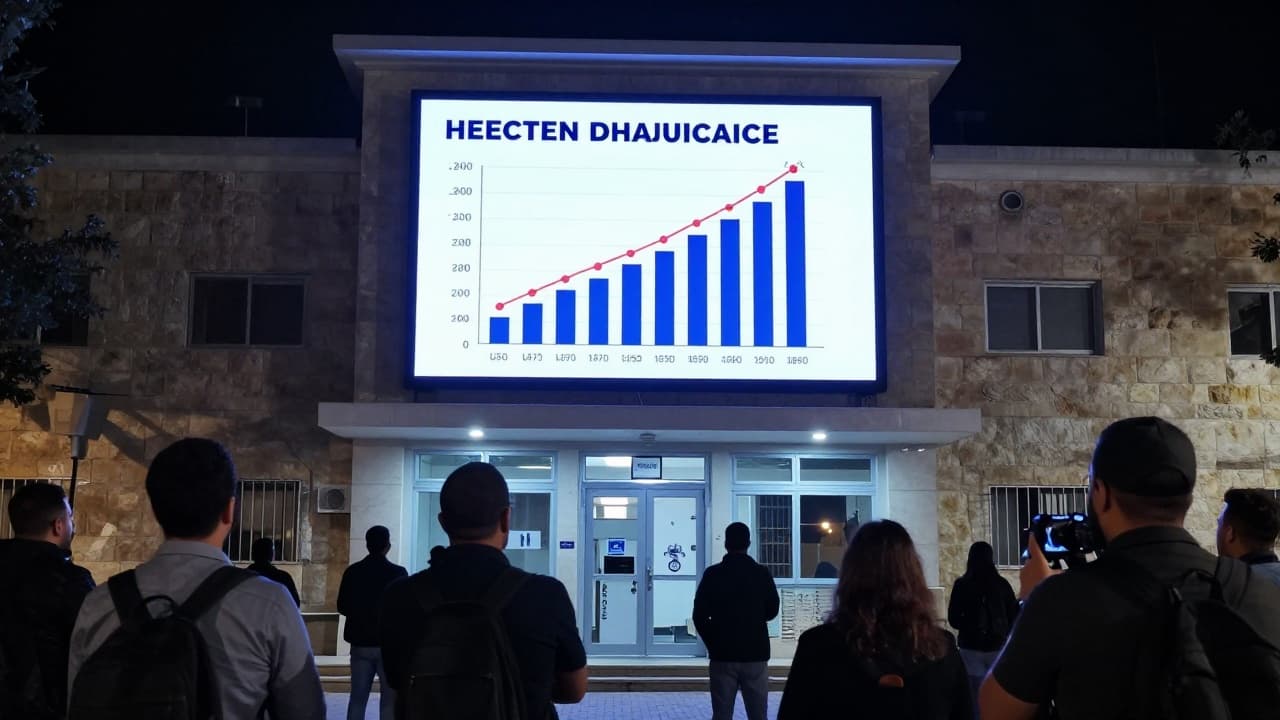
The far-right party Otzma Yehudit (Jewish Power), led by Public Security Minister Itamar Ben-Gvir, had expected a better result than the six mandates won in 2022. Most channels suggested that Otzma Yehudit might win only six or seven mandates. In central Israel, at the party's headquarters, a stunned silence fell as exit poll results were projected on a screen.
Ben-Gvir reminded supporters of everything he had achieved in the past four years, including a law approving the death penalty for Palestinians convicted of killing Israelis and the worsening of conditions for Palestinian prisoners. He also referred to other members of Netanyahu's coalition who had proposed a national unity government with Gadi Eisenkot. The audience booed loudly, and Ben-Gvir said: "That is exactly the scenario we warned about – it is a terrible mistake."