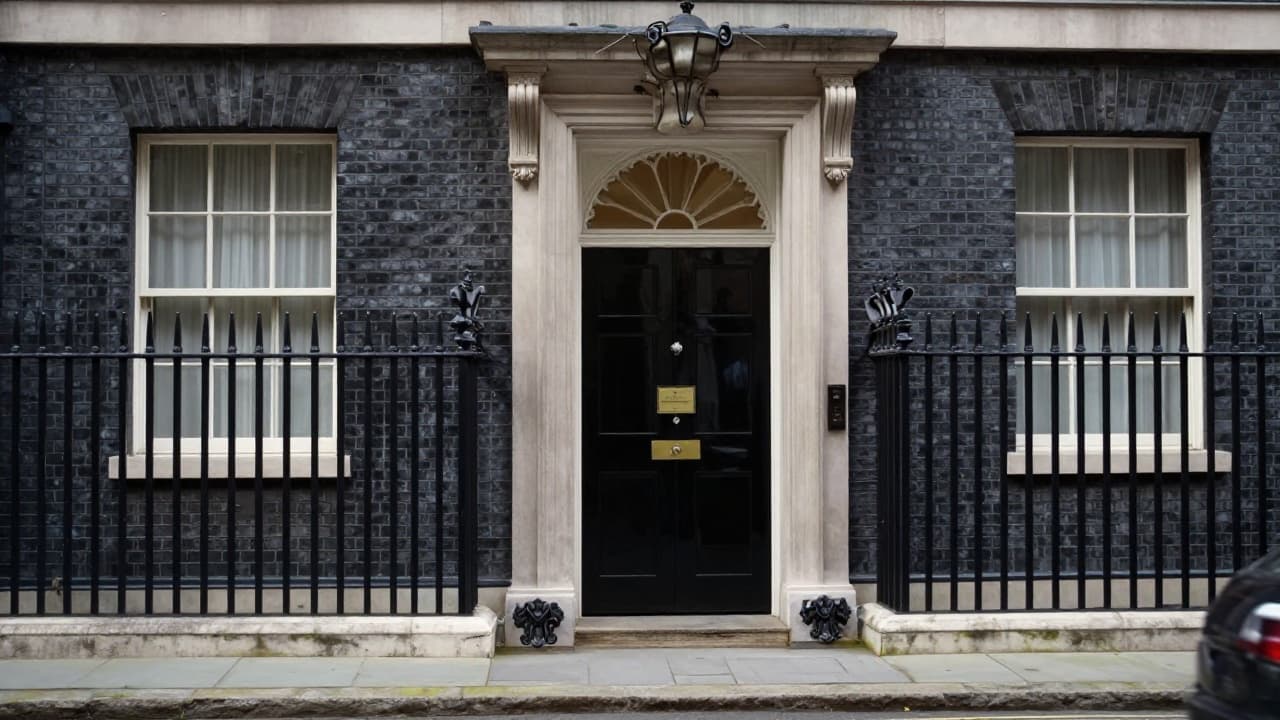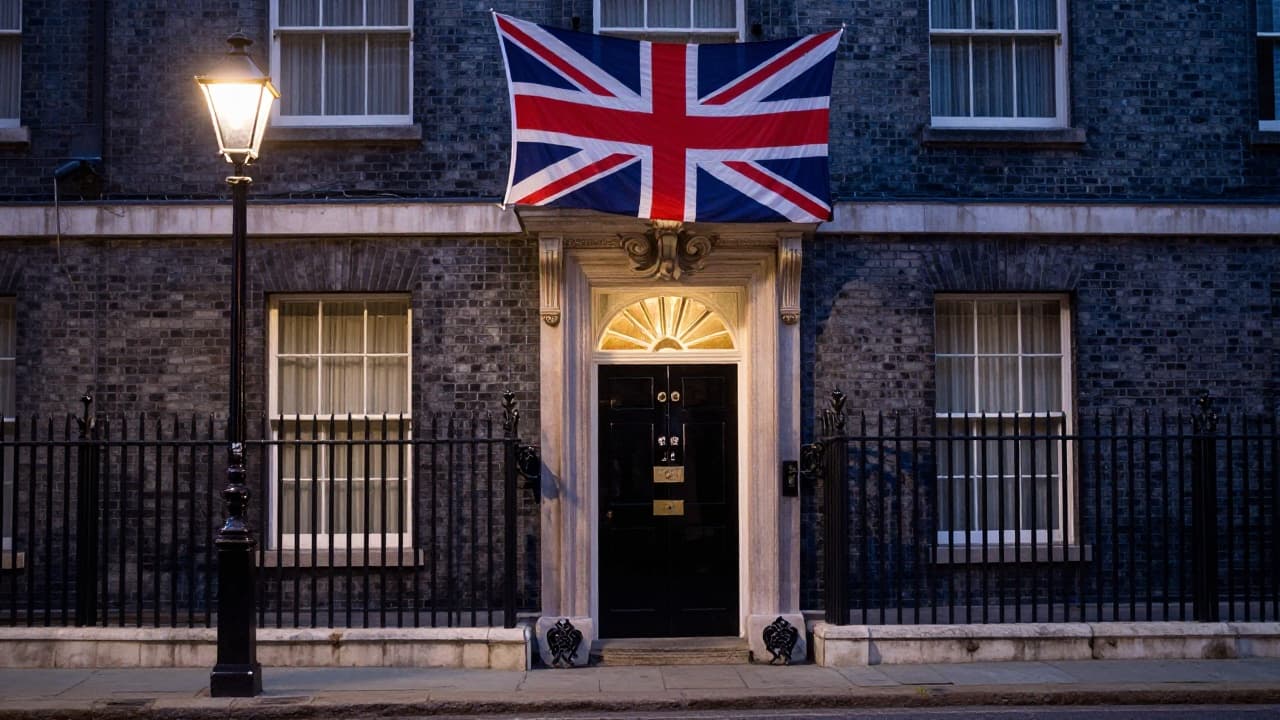
British Chancellor of the Exchequer John Healey presents his first budget on Wednesday, which he has described as a response to a "difficult moment" for the country. Healey stated that the budget will set Britain on a better future path, and announced that the Chancellor will send a signal of "new hope for the future".
The budget is expected to be relatively modest, with important decisions on taxes and spending deferred to next year. Healey highlighted that the world is a "very uncertain place" and that conflicts abroad are driving up energy prices, while the cost of living is putting pressure on families, businesses and public finances. The government will, it claims, "responsibly" ease the cost of living while adhering to the fiscal rules that the Labour Party imposed on itself.
Healey is seeking to convince markets that his plans for long-term reforms will make Britain "more resilient" to global shocks. Scope for major concessions is limited due to strained public finances, which were further worsened by turbulence in international markets caused by the conflict with Iran. Changes aimed at easing the cost of living are expected to be highlighted in the budget.
Healey is expected to offer temporary support to poorer households ahead of a sharp rise in typical energy bills in January. He also announces energy market reforms aimed at reducing bills for all households in the long term. Andy Burnham recently told MPs that he wants to abolish the fixed daily gas allowance, which would lower bills for consumers who use less energy, with the cost borne by those who use more. Industry experts fear that additional investments in hydrogen and carbon capture will likely bear the greatest burden of efforts to curb additional consumption.
The Chancellor is expected to scrap the "threshold" on the carer’s allowance, which penalised unpaid carers for exceeding the earnings limit, even by a few pence a week. The scrapping of the planned January increase in fuel duty is also expected. The government has been under pressure to use the budget to chart a clear path for defence spending to reach 3 per cent of national income by 2030. Healey has claimed to be committed to this goal when he resigned as Defence Secretary earlier this year. He is expected to confirm additional investment in the defence industry, described as a "down payment" towards achieving the target, but will wait for next year’s spending review to confirm the timeline.
The budget will outline a "plan" to transfer more tax revenues to local leaders. Details of Burnham’s devolution agenda in areas such as skills and employment support are not expected until the government publishes a white paper in the coming weeks. Lowering energy prices has the added benefit of reducing inflation.
Markets now expect the Bank of England to raise interest rates four times, to 4.75 per cent, over the next 12 months. Healey is expected to take measures to mitigate part of the blow to public finances from higher interest rates on government borrowing. On Tuesday, the government had to pay the highest yield on new five-year bonds since 2008, above 5 per cent. City analysts say that investors in the bond market will closely monitor the budget.
The British economy has proved more resilient than expected in the face of the Iranian conflict, but recent data point to a deterioration in prospects. At a cabinet meeting last week, Healey told ministers that rising inflation caused by the conflict is the political backdrop to the budget. Rising inflation reached this year’s maximum of 3.5 per cent last month. Consumer confidence has fallen at the fastest pace since Brexit. The number of businesses in financial difficulty reached its highest level in more than two decades, according to data from consultancy firm BTG published on Thursday. The hospitality and construction sectors have been hit hardest.
Healey stated: "The British economy is showing real signs of resilience: investment is growing, productivity is rising and we had the joint fastest growth in the G7 in the first half of this year." He will also announce plans to increase the minimum wage by almost 4 per cent, but will slow the growth of the minimum wage for young people under 21 after warnings that this is pushing them out of the labour market.