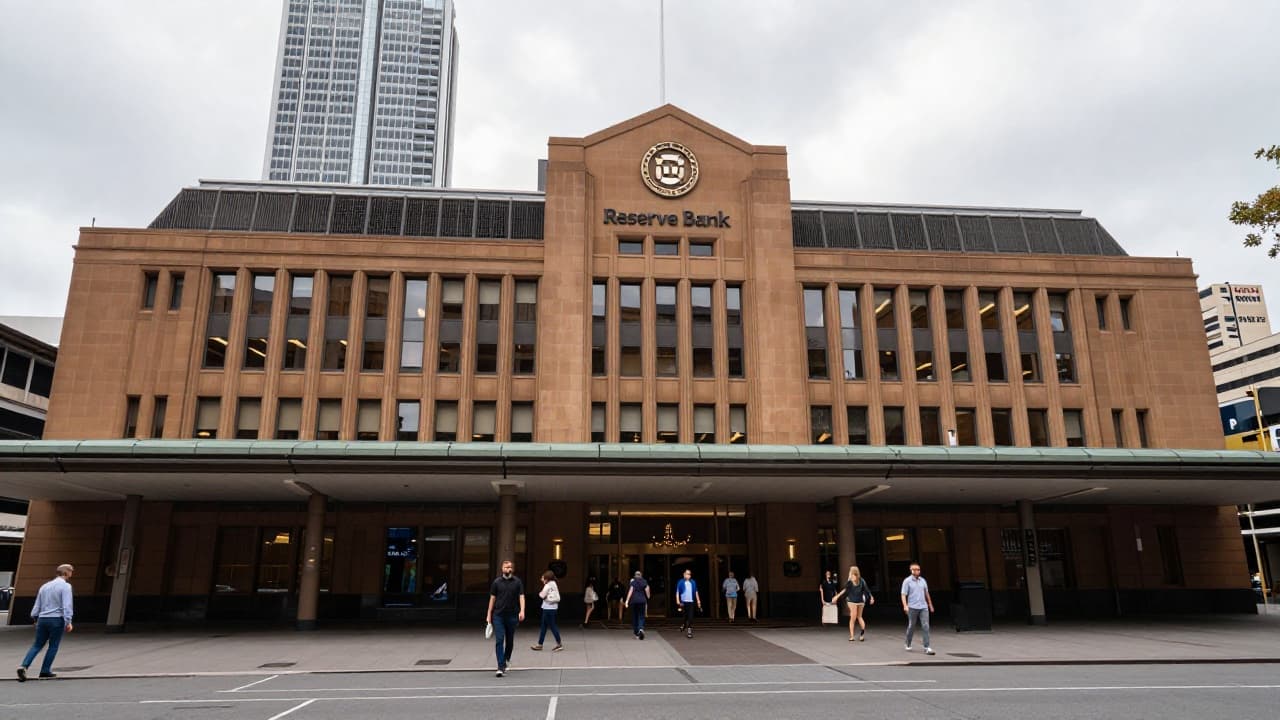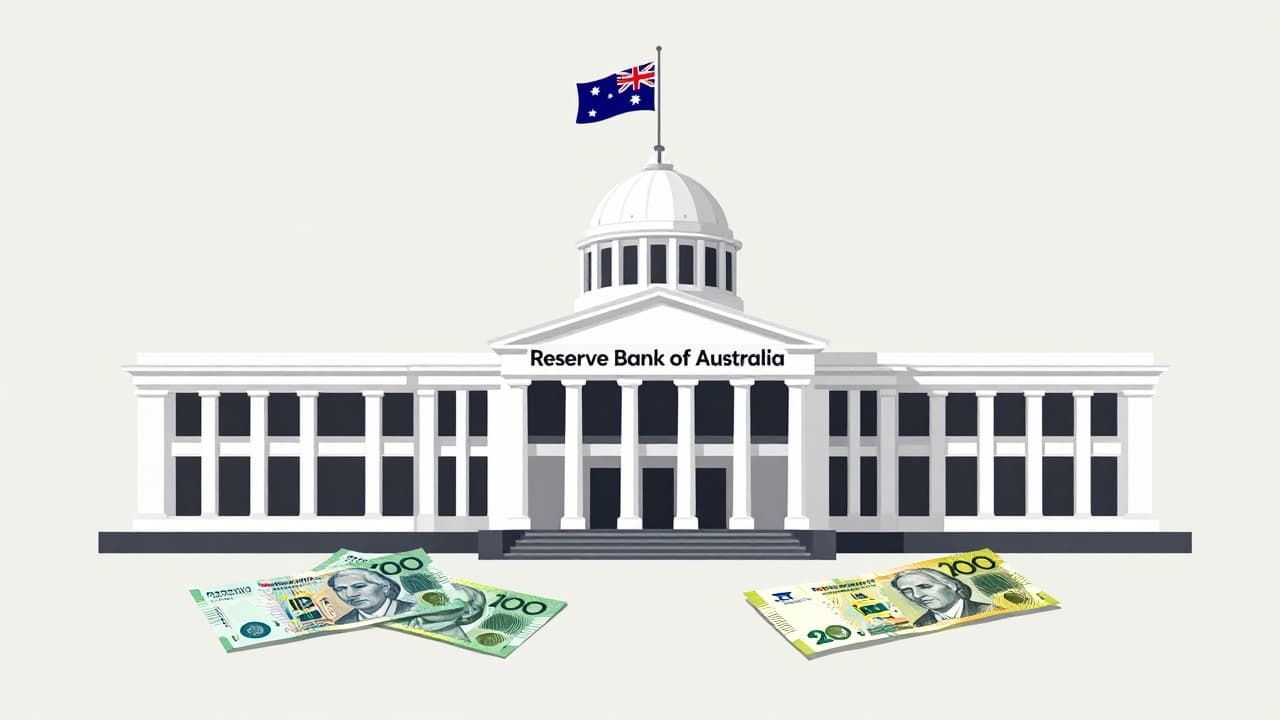
The International Monetary Fund (IMF) has called on federal and state governments in Australia to exercise strict fiscal discipline, highlighting the need to reduce costs to curb rising debt. In its report, the international financial institution warned that the Reserve Bank of Australia (RBA) could be forced to raise interest rates to bring price pressures under control, indicating a complex economic environment in which Australia is currently situated.
The IMF has revised its forecast for Australian economic growth in 2027, previously predicting that the economy would grow by 1.9 per cent this year. The 0.1 percentage point reduction in the forecast is linked to a higher probability that the RBA will raise interest rates. Inflation remains a central challenge, with weak productivity placing strain on the economy. There is a risk that additional large increases in global energy prices could lead to stronger secondary effects and raise inflation expectations, requiring further tightening in monetary policy.
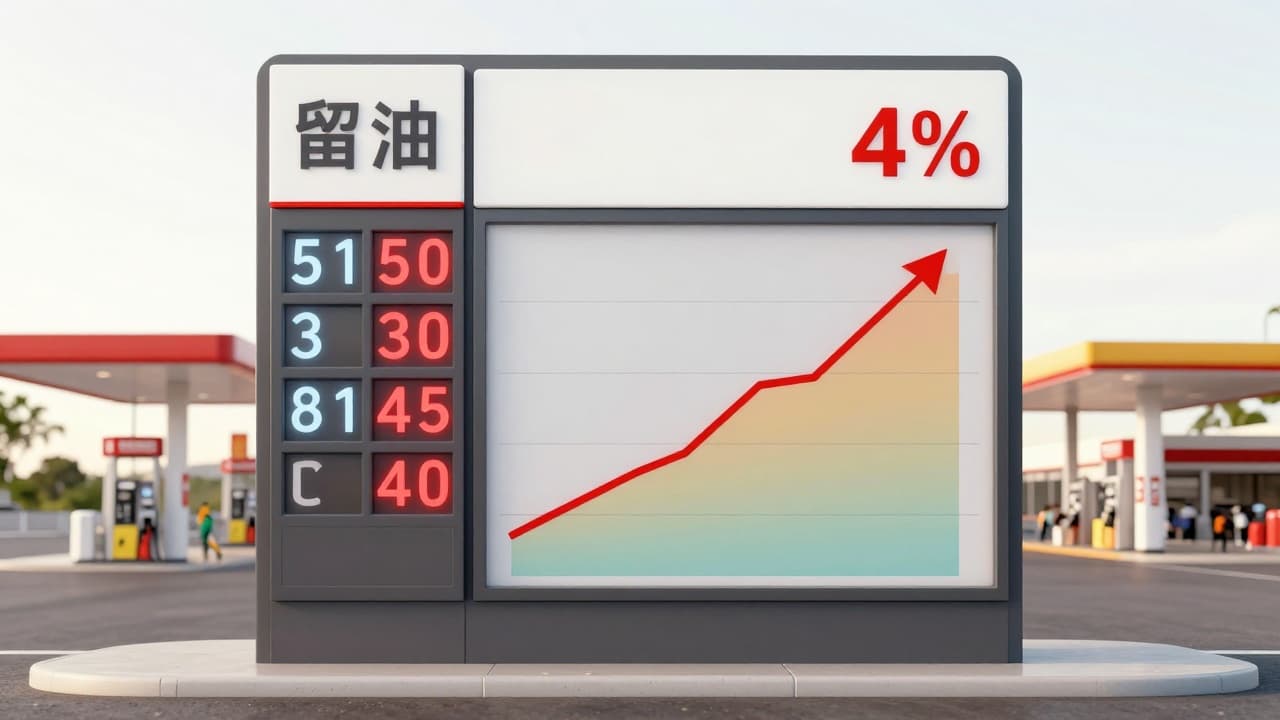
Energy prices are rising, with the Brent crude oil price exceeding USD 108 per barrel, representing a 35 per cent increase compared to the beginning of August. Financial markets are pricing in an 80 per cent probability that the RBA will raise interest rates in September, further complicating the economic outlook and highlighting the need for cautious fiscal policy.
In the context of these changes, the IMF supported the tax changes proposed by the Labor government, although it expressed concern about potential unexpected consequences. Australia has undergone changes in taxation, with a focus on the fact that the changes have created a balanced set of incentives for investment in other sectors of the economy. However, the decline in property prices has not resolved the issue of housing affordability, according to the IMF report, indicating persistent challenges in ensuring affordable housing for a broad segment of the population.
These changes in fiscal policy and economic indicators require careful monitoring and adjustment to ensure that stability and sustainable economic growth are maintained in the future. Inflation and rising costs remain key challenges that the Australian government must address effectively to ensure stability and prosperity for all citizens.