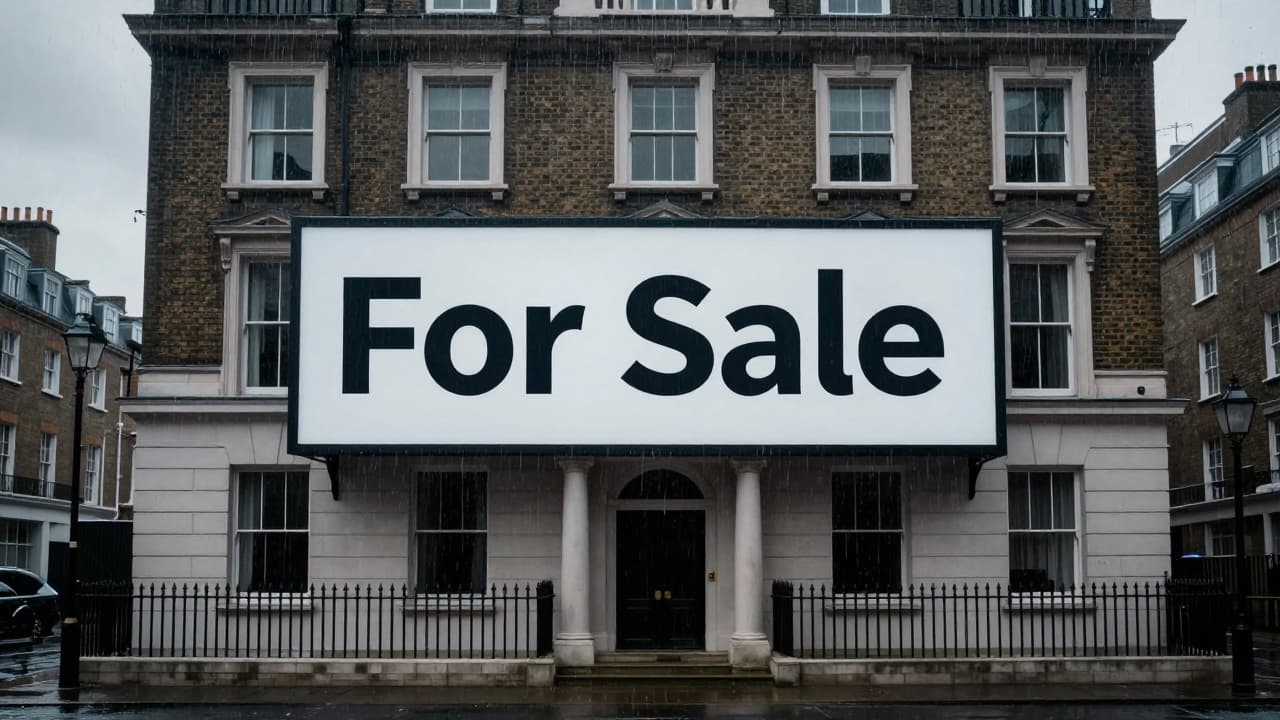
House prices across Australia are falling in almost every suburb, according to Cotality data published on Thursday. Properties have fallen 5.2 per cent from their peak in March and are now at levels seen a year ago.
Brisbane is seeing a sharper decline than Sydney. House and unit prices in Brisbane have fallen 1.5 per cent in September, with every suburb recording lower prices compared to June. The median value of a unit in Brisbane is A$1.05 million, a drop of A$59,000 from May. Previously, prices in Brisbane had risen 18 per cent over the previous 12 months.
In Sydney, median values fell 1.4 per cent in the month, and are 8.6 per cent lower than the peak in March, which is equivalent to a drop of A$112,000. Only four suburbs in Sydney have maintained stable prices over the past few months. Melbourne has seen a 0.7 per cent drop in September, with prices down 6.4 per cent since March, or A$53,000 for the median home.
Darwin is the only city where prices have continued to rise, increasing by 0.4 per cent in September.
Economists estimate that prices are on track to fall by at least 10 per cent. The Reserve Bank raised interest rates for the fourth time this year on Tuesday. Canstar estimates that the four increases this year have reduced the borrowing capacity of someone on an average full-time salary of A$108,650 by A$47,400. House prices would need to fall by approximately 10 per cent to offset the 1 percentage point rise in interest rates, but no suburb has yet reached that threshold.
Joe Truchino, a buyer’s agent at Property Home Base, said interest rates had become “the big talk” among hesitant buyers. He noted that properties in the lower end of the market were attracting more interest as first-home buyers regained confidence. Strong demand at entry level was seen in the 5 per cent deposit scheme, which covers about half of all first home loans. The Albanese government reported on Thursday that more than 102,000 people had been supported by first home loans in the scheme in the past year. The scheme has supported an average of more than 8,400 new first-home buyers monthly since June, compared to an average of 8,600 monthly from October to May.
RBA Governor Michelle Bullock said on Tuesday that the central bank had considered keeping rates on hold due to the unexpectedly weak housing market, but ultimately decided to raise them. Bullock added that the fall in prices would likely worsen the housing supply by making new construction unprofitable. Economists expect Australia’s housing shortage to push prices higher in the future. The reduced likelihood of rate cuts makes a prolonged crisis more likely.
AMP chief economist Shane Oliver said the data from Cotality supported forecasts of a 10 per cent fall in prices nationally. Oliver noted that rate increases, taxes, and weak confidence were the main burdens. He added that rising listings in forced sales, combined with rate hikes and rising unemployment, risked a deeper fall of around 15 per cent.