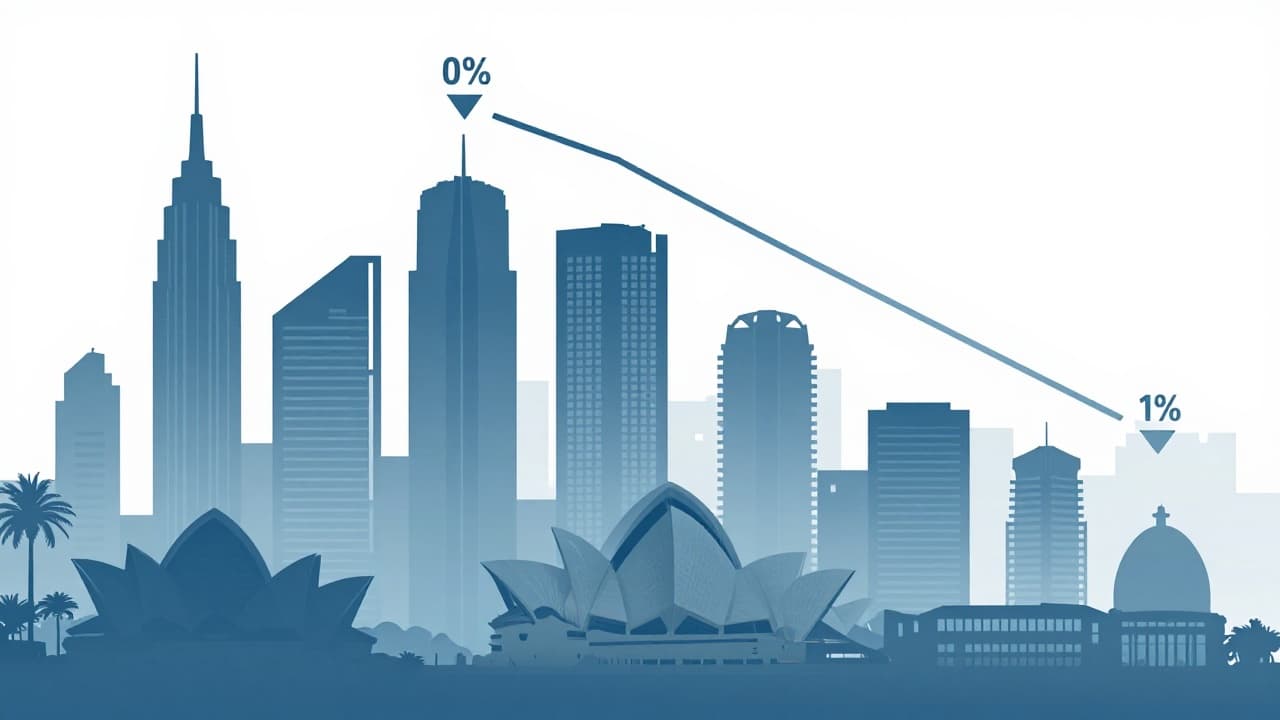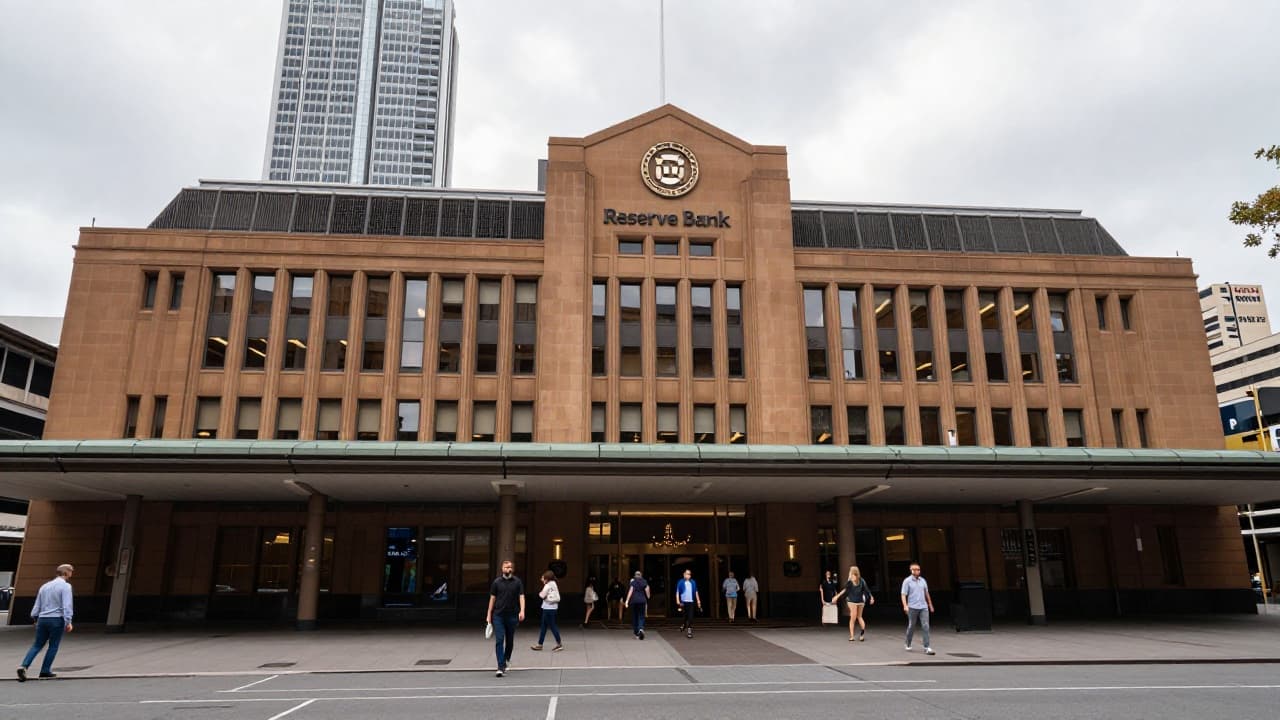
Andrew Hauser, deputy governor of the Australian central bank (Reserve Bank of Australia, RBA), warned of "hard decisions" due to "significantly worsened" inflation prospects. According to financial market pricing, the probability of a rate increase on 3 November rose from 30 per cent before his remarks to 45 per cent afterwards.
Hauser was speaking at an investment bank conference in Sydney on Wednesday morning. He said that members of the RBA’s monetary policy board are balancing slowing the economy against the fear that Australians are beginning to lose confidence in the central bank’s ability to return inflation to its target level of 2.5 per cent. "We are in a world of hard decisions. I think that is the reality here," Hauser said. Inflation, he added, has been high for a very long time, and there are signs that part of the public is unsure whether the RBA will even return inflation to the target range.
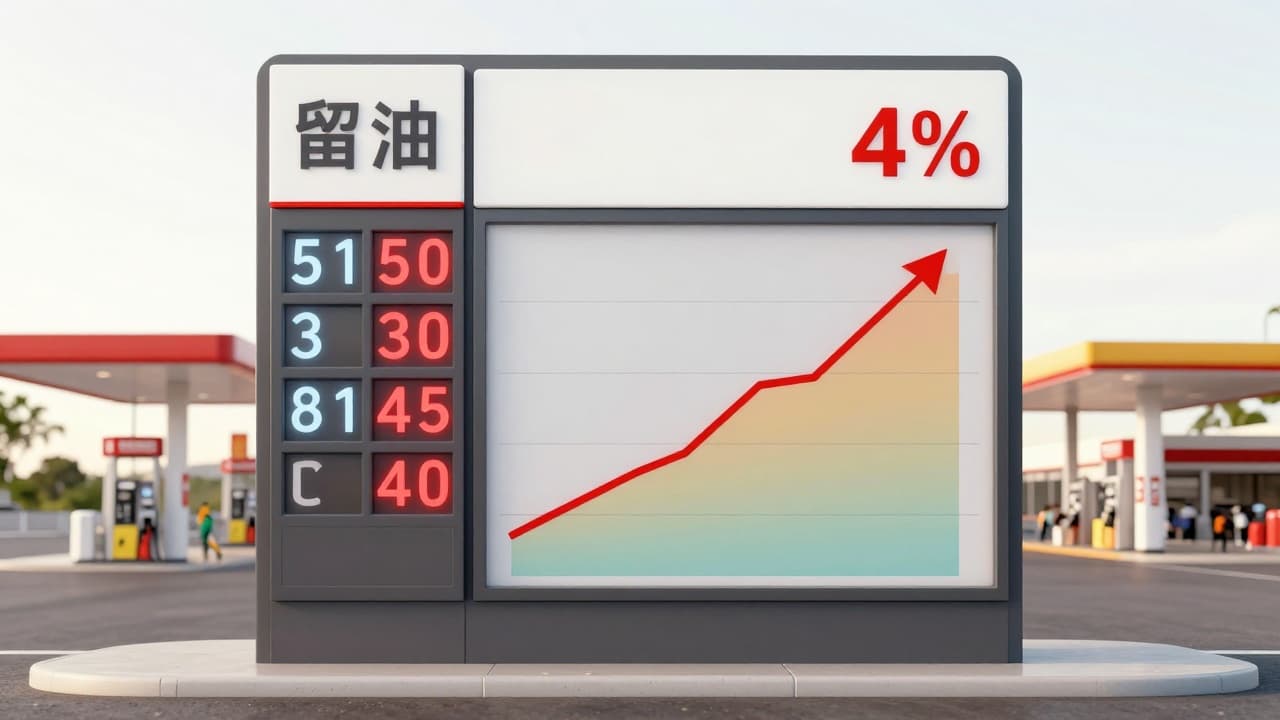
If implemented, the increase would be the fifth of this year. The RBA’s target interest rate would rise to 4.85 per cent from the current 4.6 per cent, which would be the highest level since the global financial crisis. The deterioration in the Middle East conflict pushed inflation to 4 per cent in the year to August. Hauser warned that businesses are beginning to view 3.5 per cent inflation as the "new normal" and that removing entrenched inflation psychology may require higher interest rates.
Diana Mousina, deputy chief economist at AMP, assessed that a rate hike in November is not a done deal. "I still find it hard to see them raising rates in November," Mousina said, pointing to recent evidence of a weakening labour market and the fact that the RBA had already responded to stronger price pressures with a rate increase last month. In her view, inflation data released next Wednesday will likely determine whether home loan holders will be hit again.
Hauser acknowledged that it is difficult to explain to the public why the RBA is "inflicting pain on pain" by raising rates at a time when external shocks are lifting fuel prices. "If someone overseas raises the price of a good we buy, let’s call it oil, we are all poorer and we have to accept that," he said. "What we can and must do is prevent one-off or persistent supply shocks from spilling over into higher secondary effects and higher inflation expectations."
Although inflation is clearly too high, the picture for the economy is "more mixed". Hauser noted that high interest rates and high petrol prices are weighing on activity. Last week’s employment data showed that unemployment had reached a five-year high of 4.7 per cent, which he described as "a little weaker than expected". "It is clear that we need a period of below-trend growth to bring down inflation, and we are seeing that happen," he said.
On the other hand, he pointed to surprisingly strong economic growth among Australia’s key trading partners in Asia and a boom in data centre investment. Oil prices were about a third higher than the bank had forecast in August. "Are you working harder to suppress higher inflation, acknowledging that this means weaker activity and a weaker labour market?" Hauser asked. "Or do we hold the horses to protect the labour market... aware of the possibility that the economy has more negative momentum, but accept the risk that this higher inflation risk gets embedded in Australians’ expectations?"