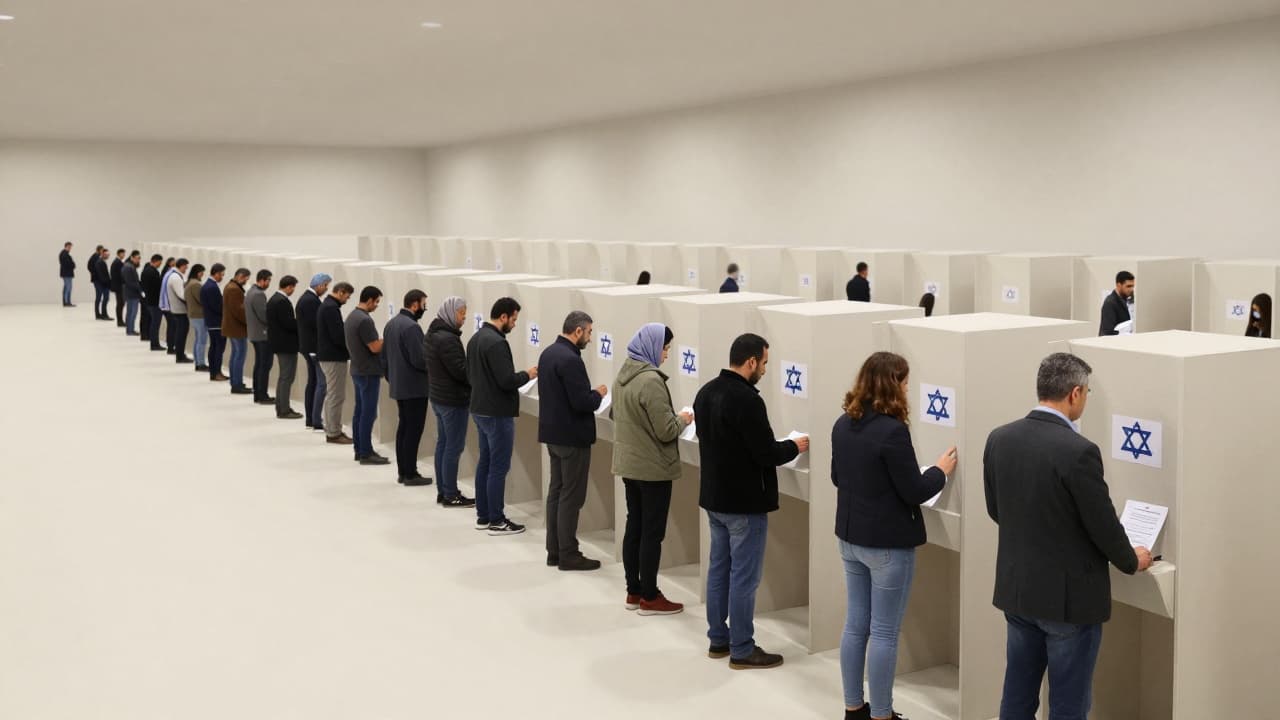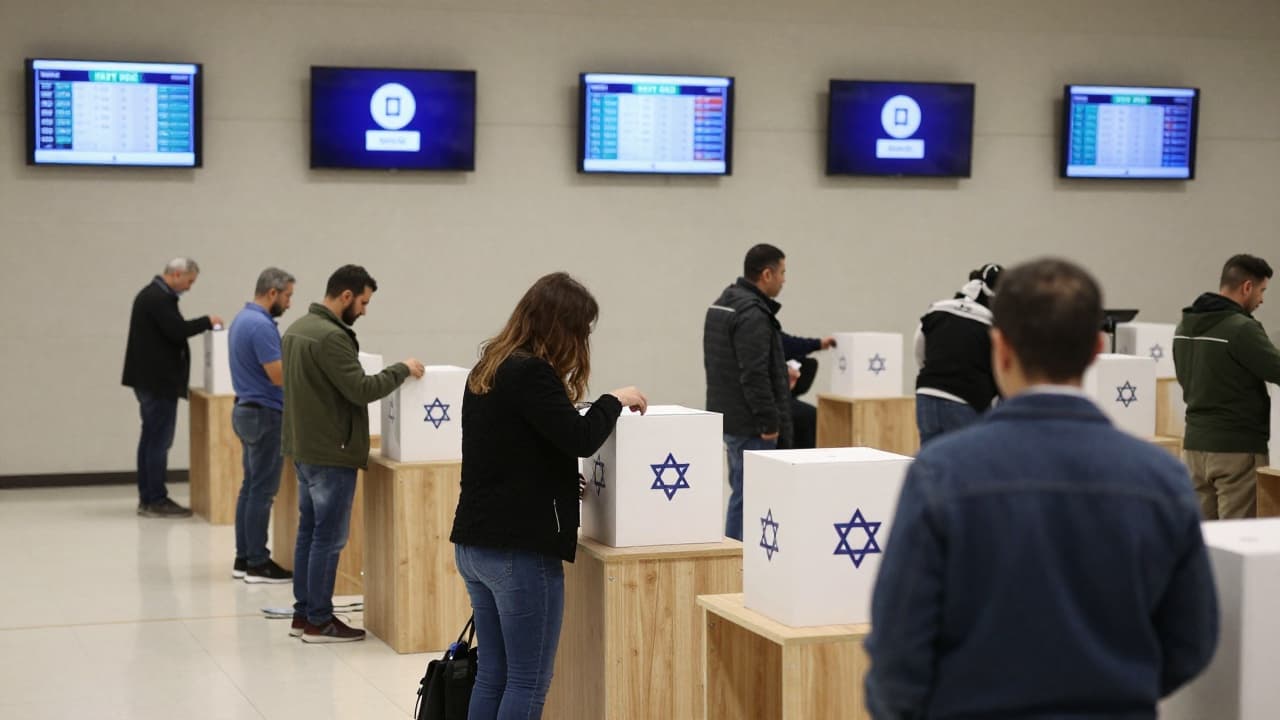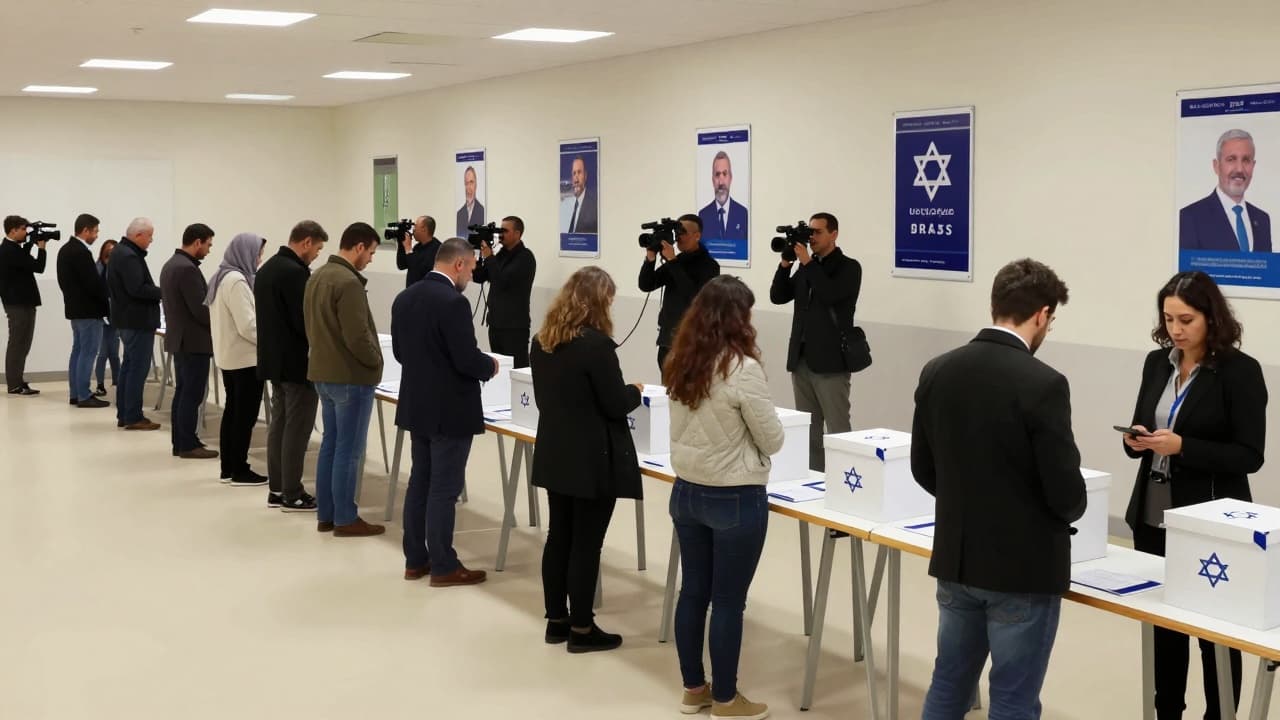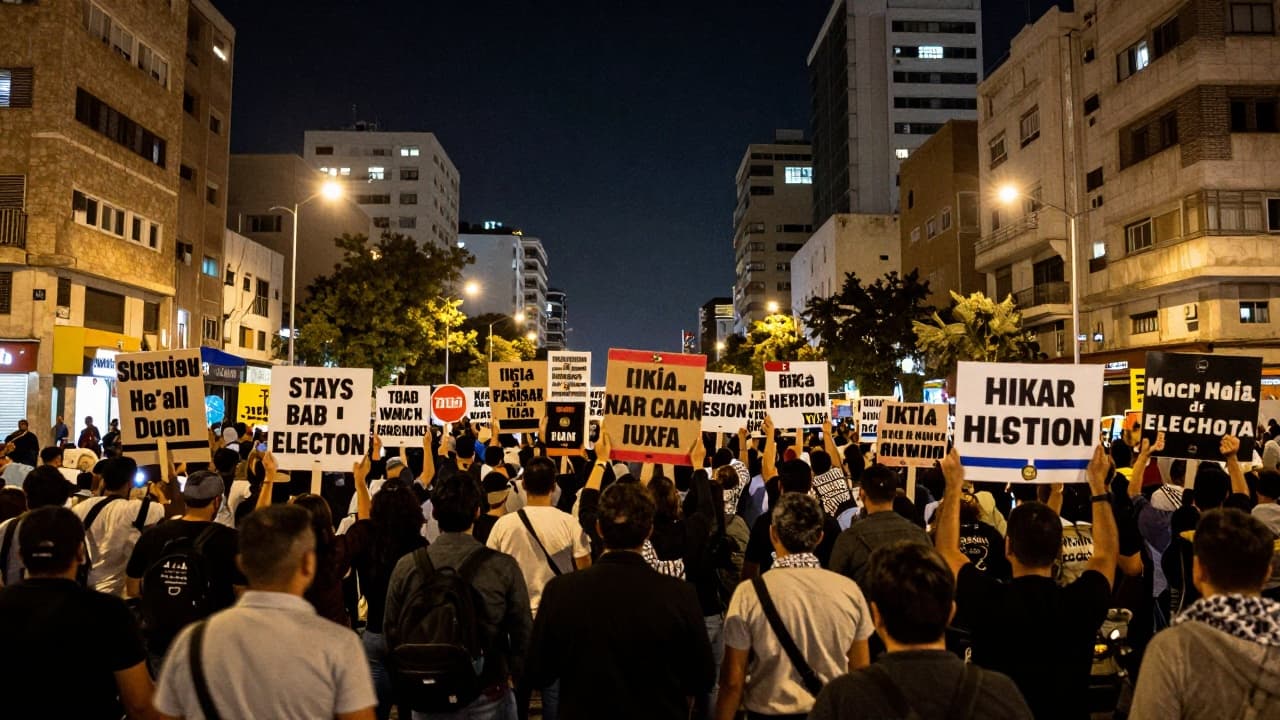
Exit polls following yesterday’s elections in Israel show that Benjamin Netanyahu’s governing bloc and the opposition bloc led by Gadi Eisenkot are tied, with 51 mandates each. Both blocs remain below the 61 mandates required to form a majority coalition government, leaving the election outcome uncertain.
According to earlier exit polls, Eisenkot was winning the most mandates in the Knesset by a narrow margin. However, Israeli exit polls are often revised after publication and are known for their inaccuracy, with final results often varying by several mandates. So far, more than 30 per cent of votes have been counted.
Turnout reached its highest level in over two decades. According to data from the Israeli Central Election Commission, more than 77 per cent of eligible voters went to the polls, which is about 7 percentage points higher than in 2022. By 22:00, turnout stood at 77.7 per cent, the highest in nearly three decades. Tens of thousands of Israelis living abroad travelled to the country for the elections, according to data from the American non-profit Aid Coalition. Israeli law generally requires in-person voting within the country, with narrow exceptions for diplomats and certain official delegates abroad.
Palestinian parties, according to projections, are set to significantly increase their representation in the Knesset and could win as many as 18 mandates, compared to the ten they currently hold. Experts note that if Eisenkot fails to secure a majority as suggested by exit polls, he would be obliged to sit at the negotiating table with Palestinian groups, the Joint List and Ra’am, to attempt to form a government. Forming a government could take weeks, and it is possible that Eisenkot would attempt to govern as a minority government with informal case-by-case voting agreements.
Netanyahu took the stage at a post-election rally in Jerusalem shortly after 3:00 am. He told his supporters that official results would show that Likud is the largest party in Israel and that the country must establish a strong, right-wing national government. He also stated that a government relying on the support of Palestinian parties must not be formed, called for a strong right-wing government and emphasised that the Jewish and Zionist majority must unite. He was unusually brief and did not directly declare victory. Netanyahu is 77 years old.
In Tel Aviv, Eisenkot told gathered supporters that the Israeli public had voted against Netanyahu’s tenure as prime minister. He stated that a worthy leader would accept the people’s lack of confidence and announced his withdrawal from politics as early as today. He also warned Netanyahu not to use Israeli security for political purposes.
Exit polls were published after the Central Election Commission rejected a final attempt by Netanyahu and several other parties to keep polling stations open past 22:00. Netanyahu publicly suggested that the left and Arabs were trying to steal the elections, but the commission rejected this claim, explaining that it had seen no evidence of systematic rigging. In Tel Aviv, shortly after 6:00 am, Israelis are waking up to exit polls that show no clear winner in yesterday’s elections, which have been dubbed the most important in the country’s history.