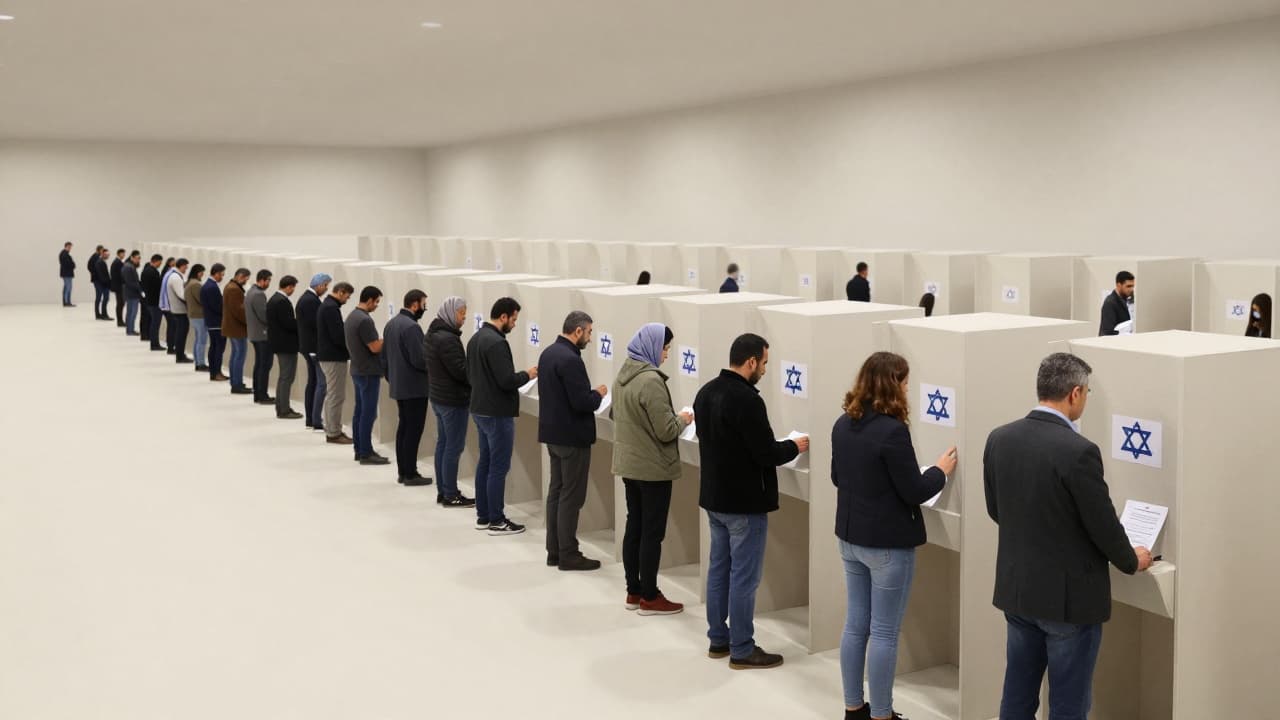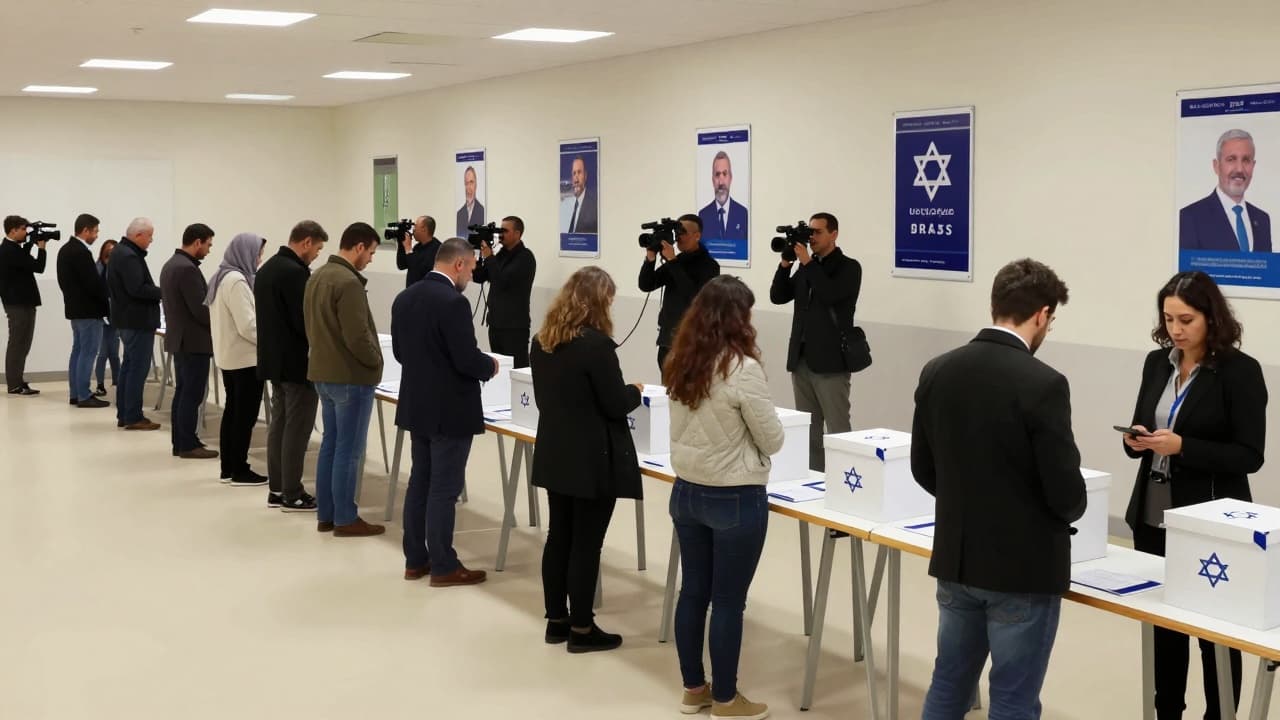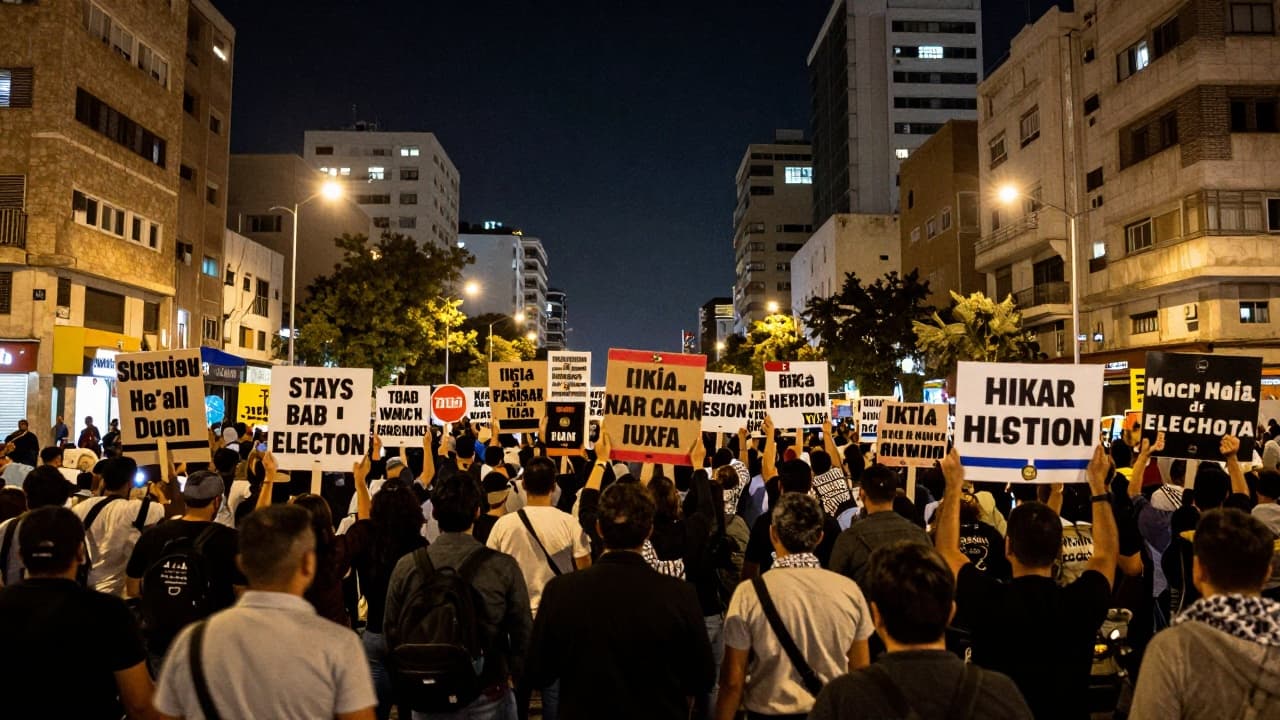

Revised exit polls from Israeli television channels Kan 11 and Channel 13 show that Benjamin Netanyahu’s bloc and Gadi Eisenkot’s bloc are tied with 51 mandates each. Channel 12 simultaneously reports that Netanyahu’s bloc wins 50 mandates, while the opposition secures 52 mandates. To form a majority coalition government, a candidate must secure 61 seats in the Knesset.
Earlier on Tuesday evening, exit polls indicated that Eisenkot was winning the most mandates in the Knesset by a narrow margin. However, Yisrael Beiteinu party leader Avigdor Lieberman warned supporters that final results could still change, as hundreds of thousands of ballots from soldiers on duty are being counted over the coming days.
Nadav Eyal, a commentator for the daily newspaper Yedioth Ahronoth, assessed that the revised exit polls indicate it will be a long night for election observers. Amichai Chikli, the Minister for Diaspora in the Israeli government, told the Associated Press that he is cautiously optimistic about the results. He stated that it is too early to celebrate initial poll results, but that the party is optimistic and must be patient.
Yair Golan, leader of the Democrats party, hinted, according to Haaretz, that the opposition bloc might include Palestinian parties in its coalition. He stated that every Knesset MP elected in a democratic, lawful process is a legitimate part of the political system. He added that if there is a democratic majority to replace the government of destruction, they must achieve it. "We are ready to work with all our partners, bridge differences and take responsibility," Golan said, concluding: "The public has spoken. Now it is our turn to act."
Gadi Eisenkot, leader of the main opposition bloc, stated that the Israeli public voted for change and against Benjamin Netanyahu. He assessed that new elections would be a mistake and that he would do everything to fulfil the will of the people. "Today, Israel went to the polls for a referendum on the leadership that will lead Israel in the coming years," Eisenkot said, adding: "The people have decided in favour of change." He warned Netanyahu not to use Israeli security for political purposes.
Exit polls suggest that Eisenkot’s bloc has secured the largest number of mandates, but has not reached the majority required to form a government. According to data from the US non-profit organisation Aid Coalition, which advocates for strengthening Israeli democracy, tens of thousands of Israelis living abroad travelled to the country for the elections. Israeli law generally requires citizens to vote in person within the country, with narrow exceptions for diplomats and certain official envoys abroad. Voting is ongoing across Israel.