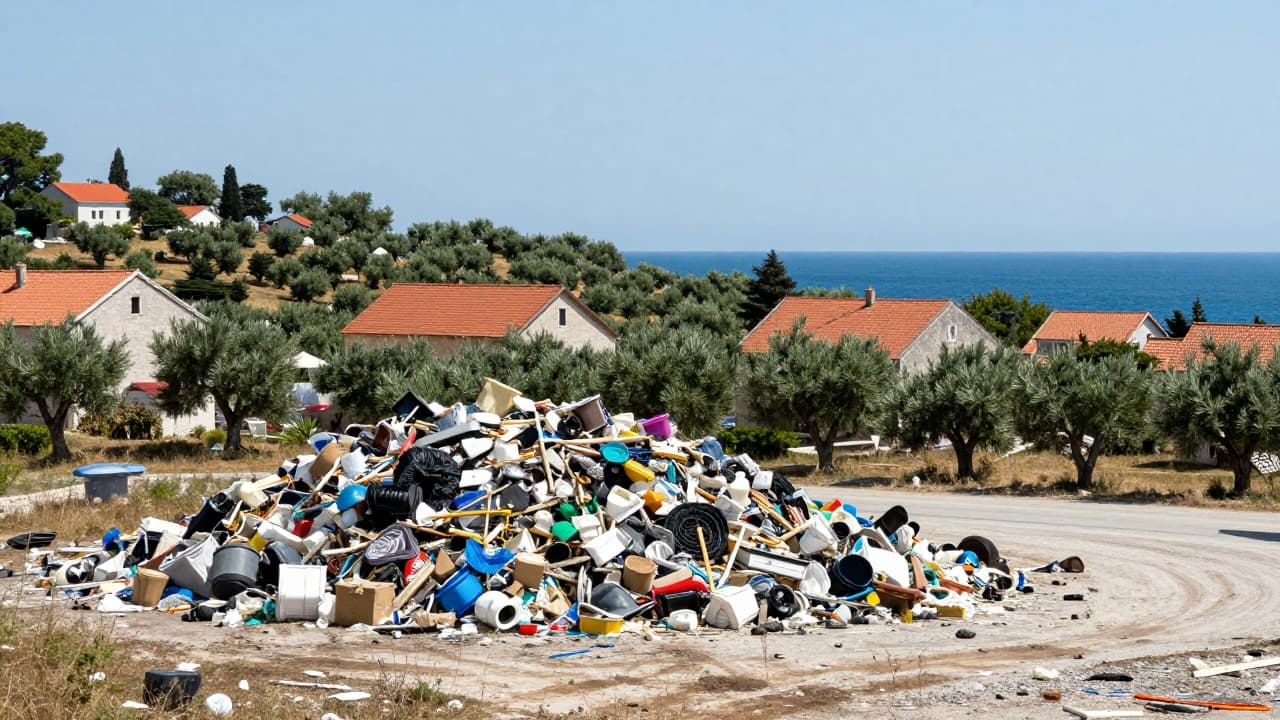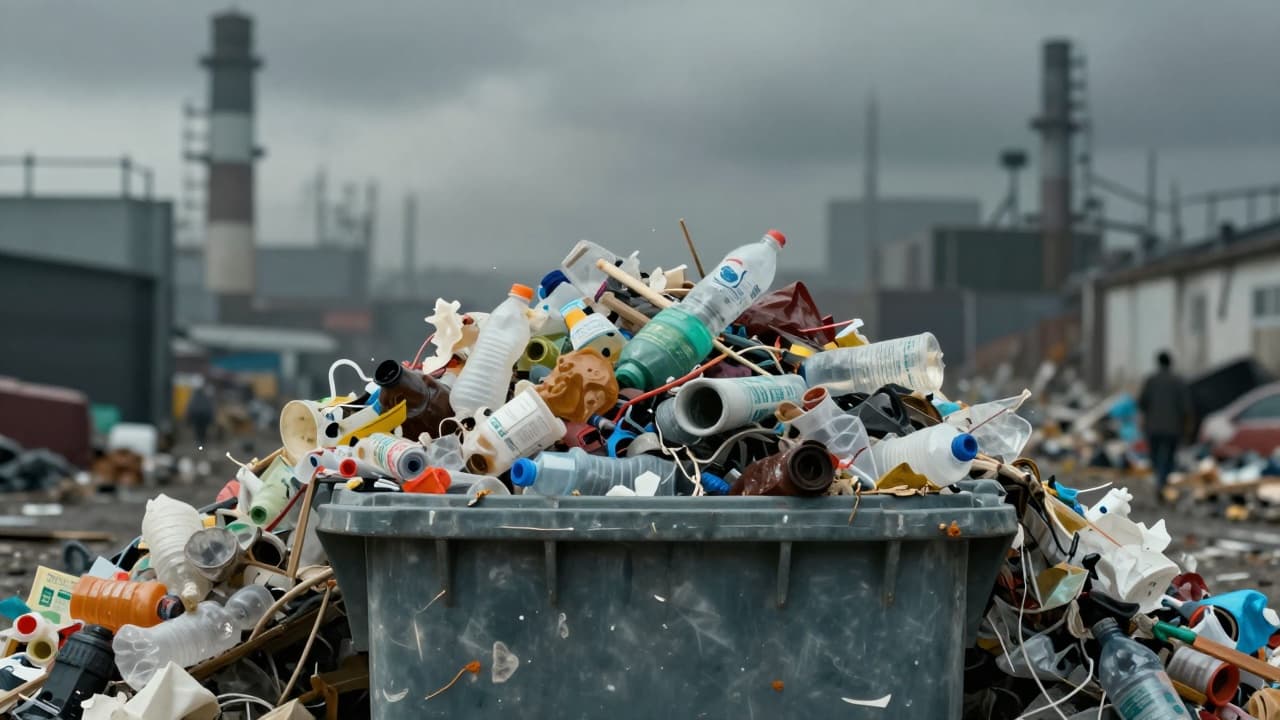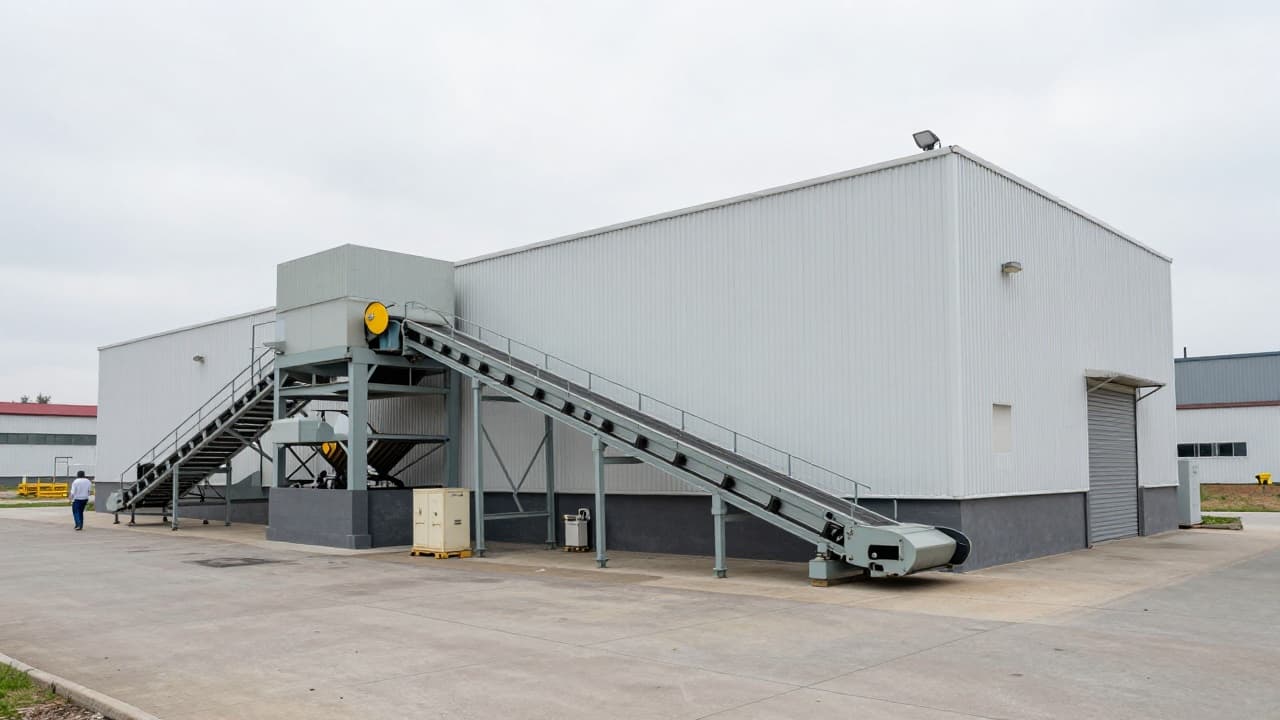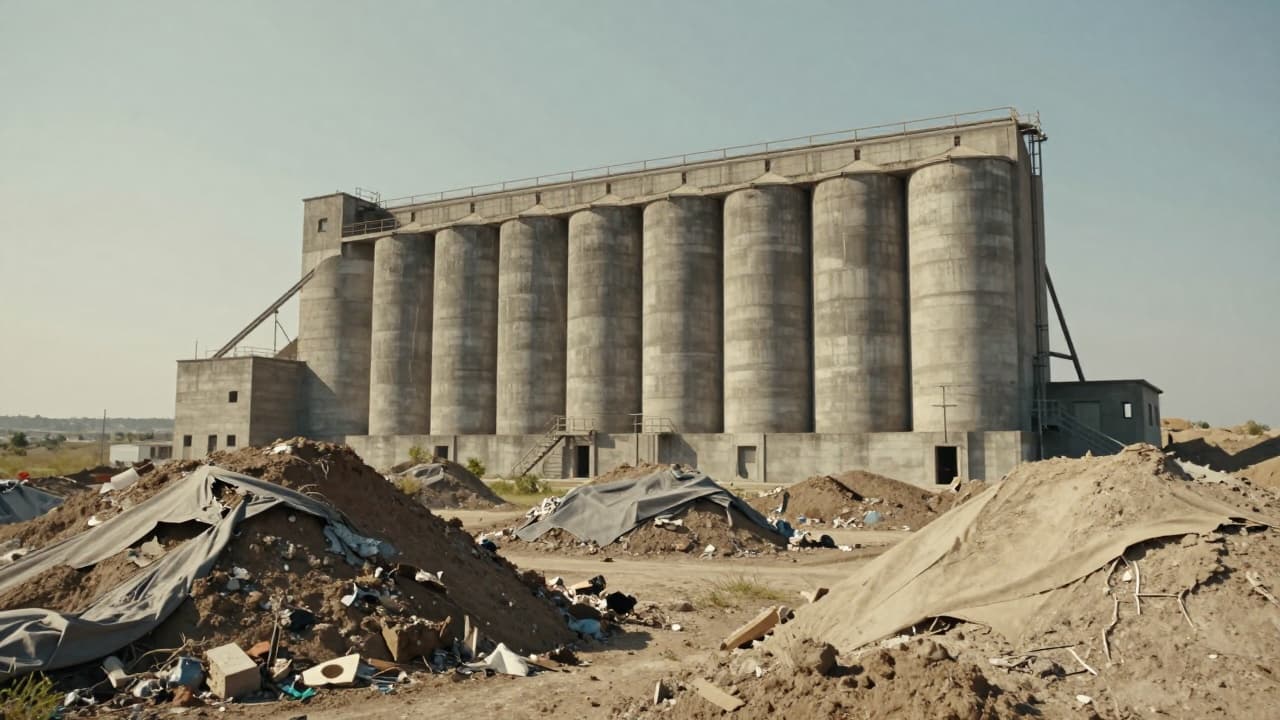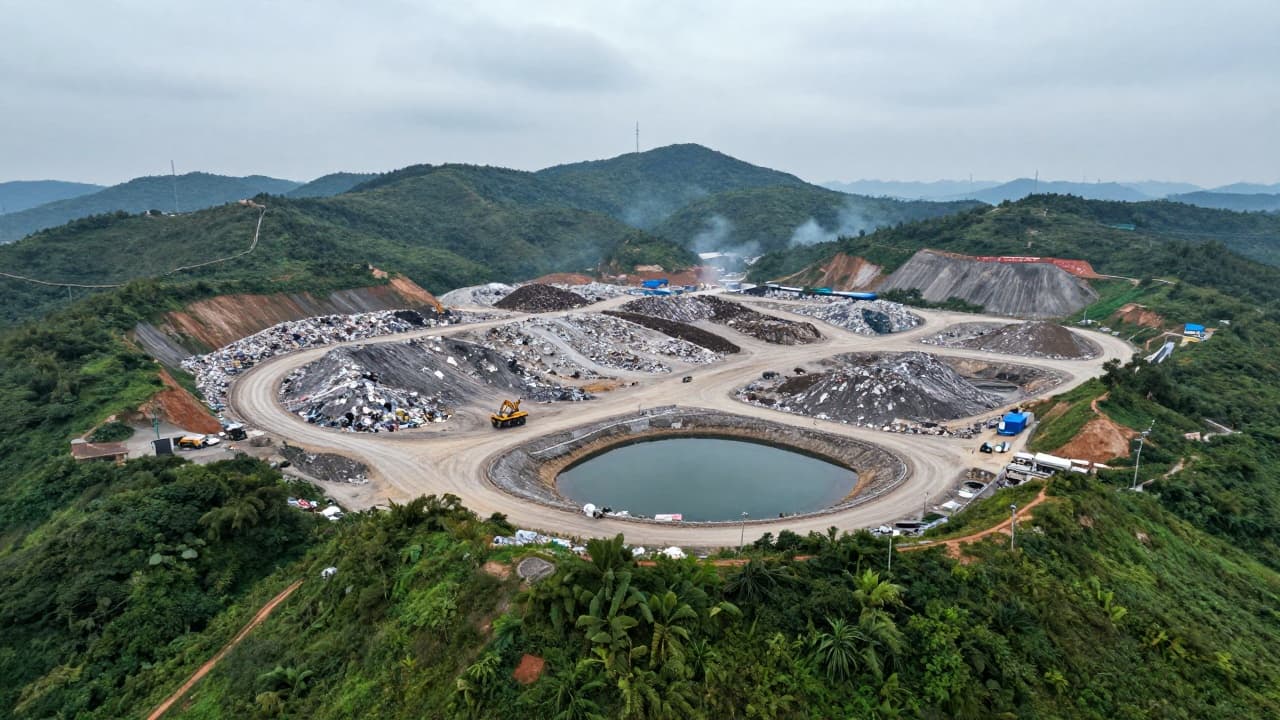
A joint session of the county assembly and the Pula City Council, with a single agenda item on the state of the Kaštijun waste site, is taking place in Pazin. The session was convened at the request of the 'Clean Air, Long Love' initiative by the president of the county assembly, Valter Fego.
At the start of the session, Bojan Blagonić, a former member of the supervisory board of the Kaštijun waste management centre and initiator of the 'Clean Air, Long Love' campaign, presented his views. He began by comparing Kaštijun to the current illegal waste site in Gospić, noting that the quantities of waste at Kaštijun are many times greater than in Gospić, although there is no potentially hazardous waste at Kaštijun as there is in Gospić. Blagonić presented analyses of surface waters showing that the waters beneath the Kaštijun landfill are polluted. He urged county and city councillors to carefully review all available data on Kaštijun and to initiate procedures for changes in the operation of the waste management centre. He stated that the facility has been damaging the health of people living near Kaštijun for eight years, concluding his speech with the figure of 575,000 tonnes of waste that have arrived at Kaštijan in the past eight years from across Istria.
The director of the waste management centre, Anja Ademi, then took the podium. She stated that she and other employees at Kaštijun are aware that there are significant problems in the operation of the landfill, which has led to a strained relationship with the local population. She highlighted that a solution must be found in cooperation with experts to ensure the landfill operates in accordance with the law and without the odours that disrupt the daily lives of citizens. The biggest problem, she said, is the 34,000 tonnes of waste fuel located at the site, adding that they are in the process of removing it, with the expectation that it will be cleared from Kaštijun within the next 12 months. After the removal of the waste fuel, she said, the functionality of Kaštijun will significantly improve. She also highlighted the 14,000 tonnes of dirty iron fraction collected at Kaštijun since its opening, which cannot be easily disposed of due to its impurity, and for which the complete removal would take two to three years. Ademi reported that the quantity of mixed municipal waste arriving at Kaštijun from other towns has decreased this summer, and that significant financial savings have been made. She noted that the quality of the air is affected by the operation of the entire centre, and that the quality of the air in the surrounding area should improve after the removal of the stored waste fuel. The next phase, she announced, is the construction of a gas plant. She added that technologies are being actively explored to eliminate unpleasant odors from the air.
Following the speech by Anja Ademi, the speakers included Istarska županija (Istria County) Governor Boris Miletić and the Mayor of Pula, Peđa Grbin. Grbin stated in his speech that the construction of Kaštijun has negatively affected the quality of life for people in that area, and he apologised to everyone for the negative impact of Kaštijun on their lives, as well as for his previous assurances that everything would be better after the opening of Kaštijun. He said that Kaštijun and Marišćina were the first, and that they were learning from them, while new centres are being opened with much higher standards. He said that Pula and Istria had been left behind by the state. Grbin stated that he is not against the closure of Kaštijun, and that his life would be easier if Kaštijun were closed, and the lives of people in the vicinity of Kaštijun would be better. However, he added that we must be responsible and state where the waste is to go, what the cost of such a decision would be, and who would bear the cost of closing Kaštijun. He said that Pula would not stand in the way of the closure if we are prepared to make such a decision, but that it would be inequitable and unfair for the cost of closure to fall solely on the people of Pula. He reprimanded the state for not participating in the solution to the problem of Kaštijun. He warned that the deadline for waste to be transported to Kaštijun is 13 years, after which the capacity of that landfill will be filled. In front of everyone in Istria, he said, is a deadline of three years to determine the location of a new waste management centre on a different site, with the construction of a new centre taking at least 10 years. Grbin said that the question is how effective it is to start the construction of a biostabilisation plant at Kaštijun, which requires at least six years.