The Government of the Republic of Croatia has accepted the final draft of the Hospitality Activity Act, which provides for the extension of the validity of existing temporary permits until 31 December 2030. The extension replaces the previous deadline of the end of 2026, and the final draft has been sent to the Croatian Parliament (Hrvatski sabor) for a second reading. The extension has not yet been legally adopted.
The SMOi association advocated for the proposal, warning of the uncertainty facing approximately 15,000 small family rental operators. A request for the extension was sent to the Ministry of Tourism and Sport in August, and after no response was received, a reminder was sent in October. The association emphasises that operators cannot obtain the documentation required for permanent permits in a timely manner due to lengthy legalisation procedures and the slowness of competent authorities, over the duration of which they often have no influence.
Temporary permits allow operators to legally provide hospitality services until the conditions for issuing permanent permits are met. The proposed extension is important for the continuation of operators' business, the preservation of income for numerous families, and economic activity in tourist locations. Four additional years mean greater security for rental families and more time to complete the procedures necessary for obtaining permanent permits.
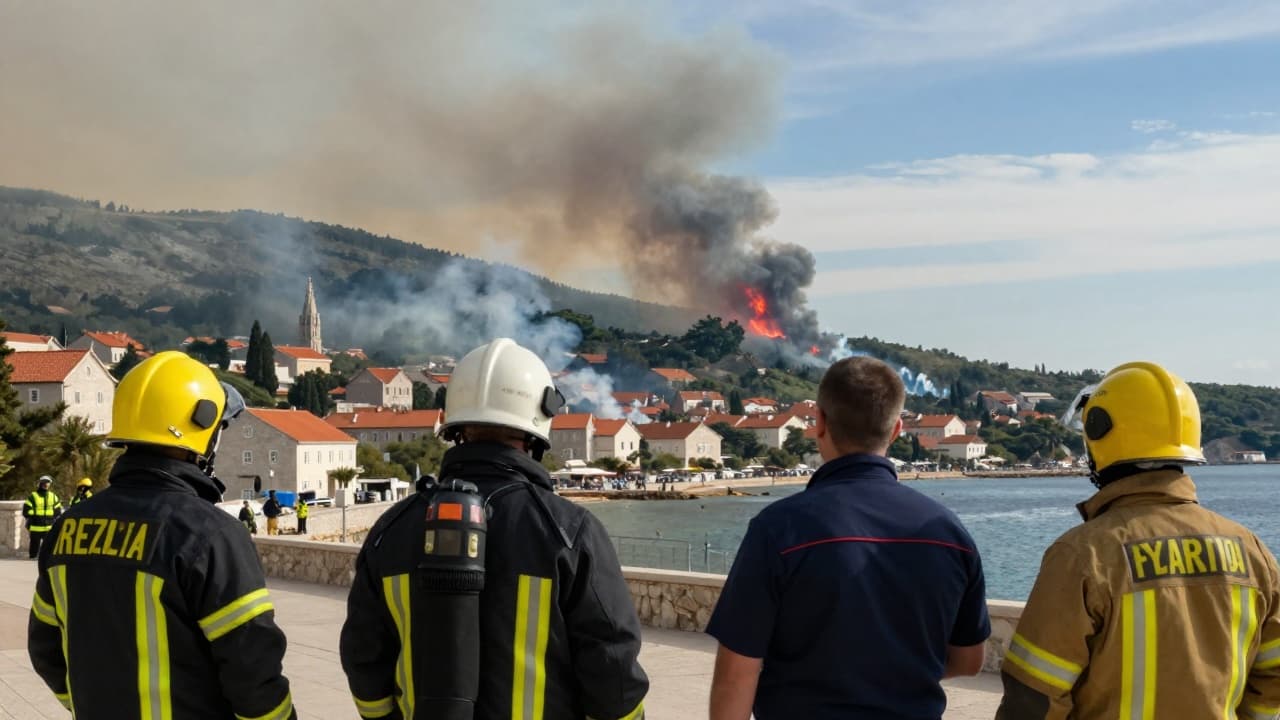
The Government also accepted proposals related to easing the burden and assisting operators following the fire in Omiš. This marks the second time the Government has heeded the proposals of the largest national professional association of private accommodation operators. The Vice-President of the Association is Hana Matić, and the President of SMOi is Vedran Tomić.
The association notes that numerous tradespeople, service providers, cleaning service providers and other small entrepreneurs are linked to accommodation business. Guests staying in private accommodation spend money in local shops, restaurants and cafés, use transport services, buy domestic products and visit cultural attractions and excursions. The association will inform members and the public about the adoption of the Act and the final conditions of its application.