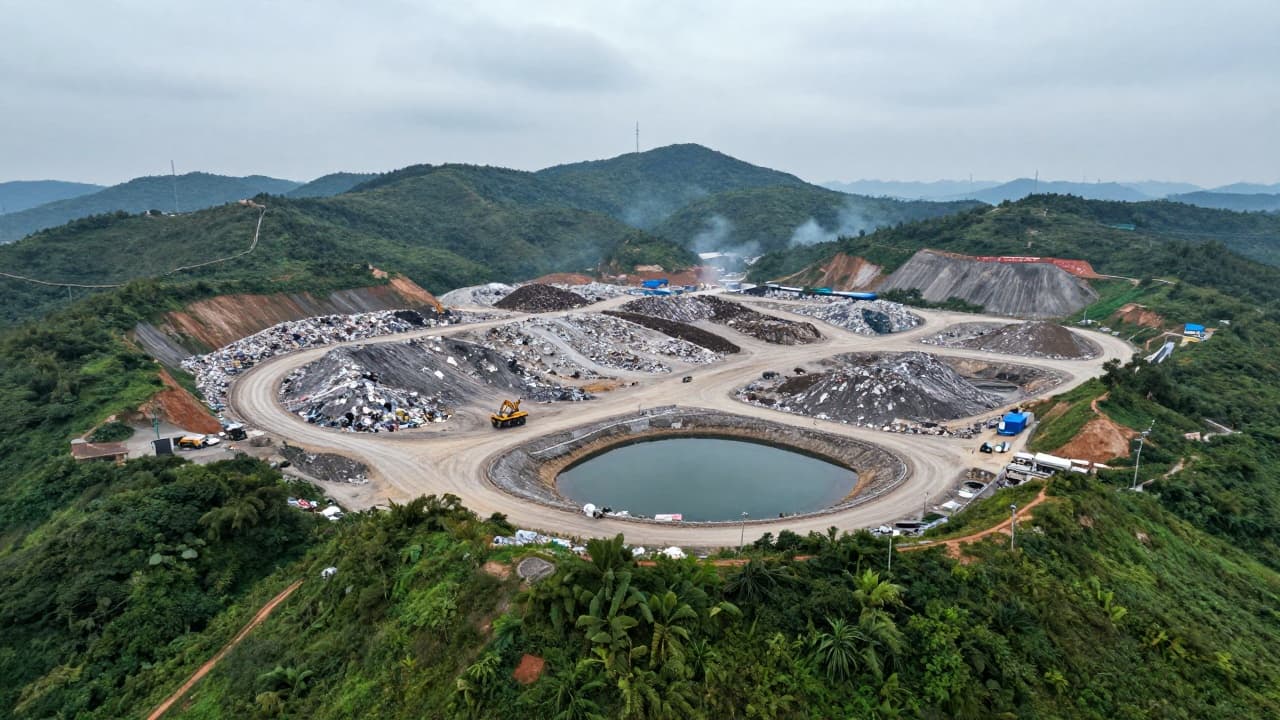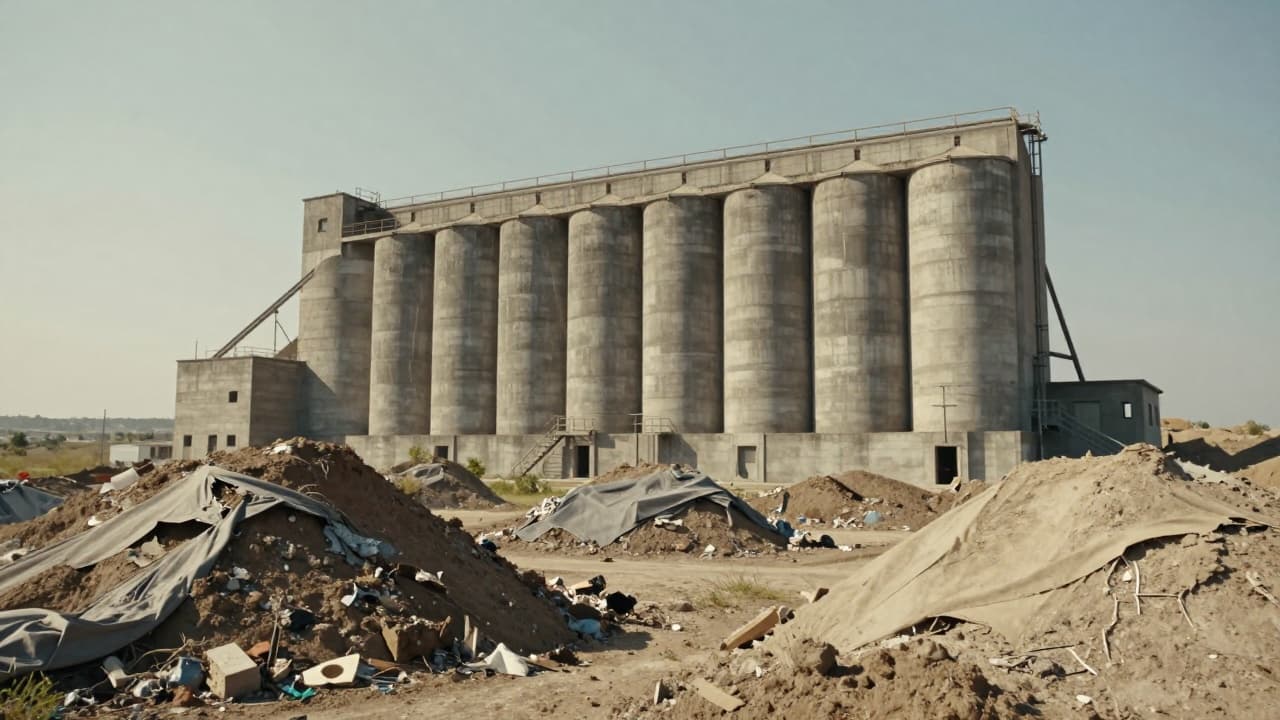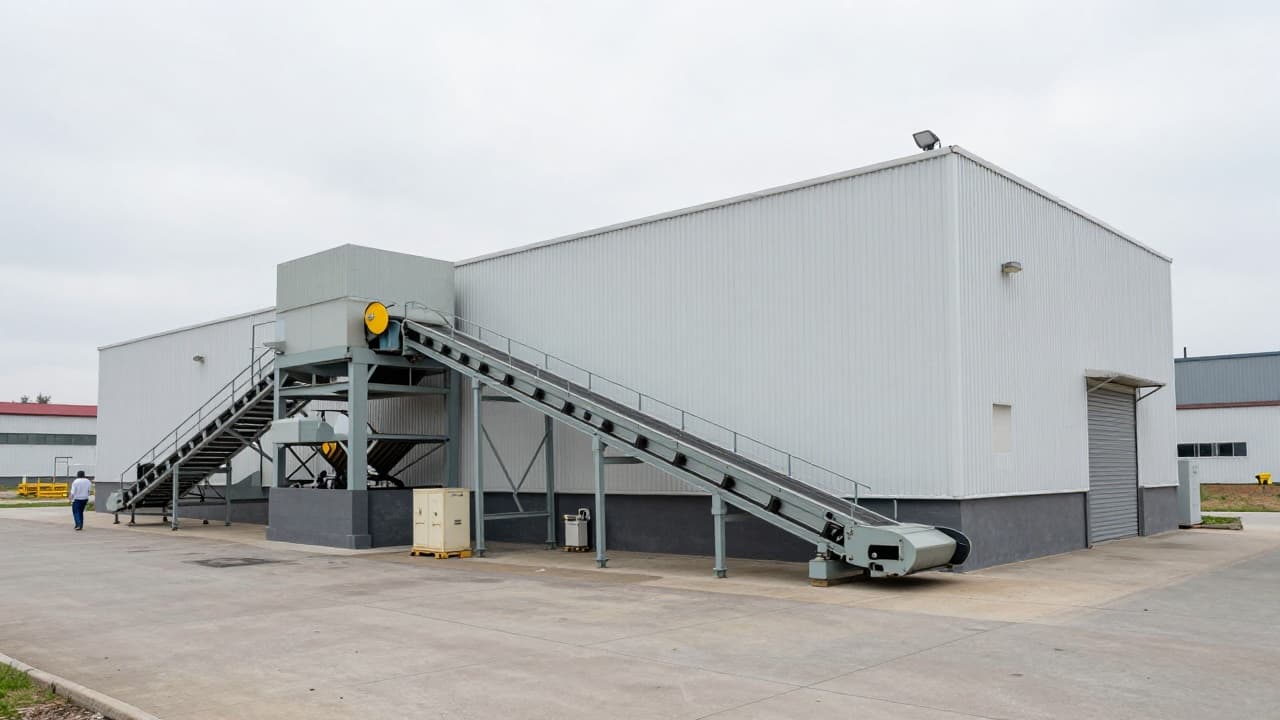
The waste sorting plant in the Miševića drag area, managed by the municipal company Čistoće, is currently not operating at full capacity. The reasons for the reduced output include the limited spatial, intake, and processing capacities of the facility, as well as the poor quality of the waste being submitted. The plant, which was commissioned in December 2024 during the term of Mayor Marko Filipović, operates in two shifts and processes separately collected waste from nine local communities.
The planned full capacity of the sorting plant is 49 tons of waste per shift, equivalent to an average of seven tons per hour. However, the quality of the material received significantly slows down the sorting process and increases operational costs. During 2025, 5,756 tons of waste were sorted, while 2,887 tons were processed in the first half of 2026. Of the total waste received, approximately 26 percent, or roughly 1,500 tons of unusable material annually, remains after sorting and is handed over to authorised recovery operators.
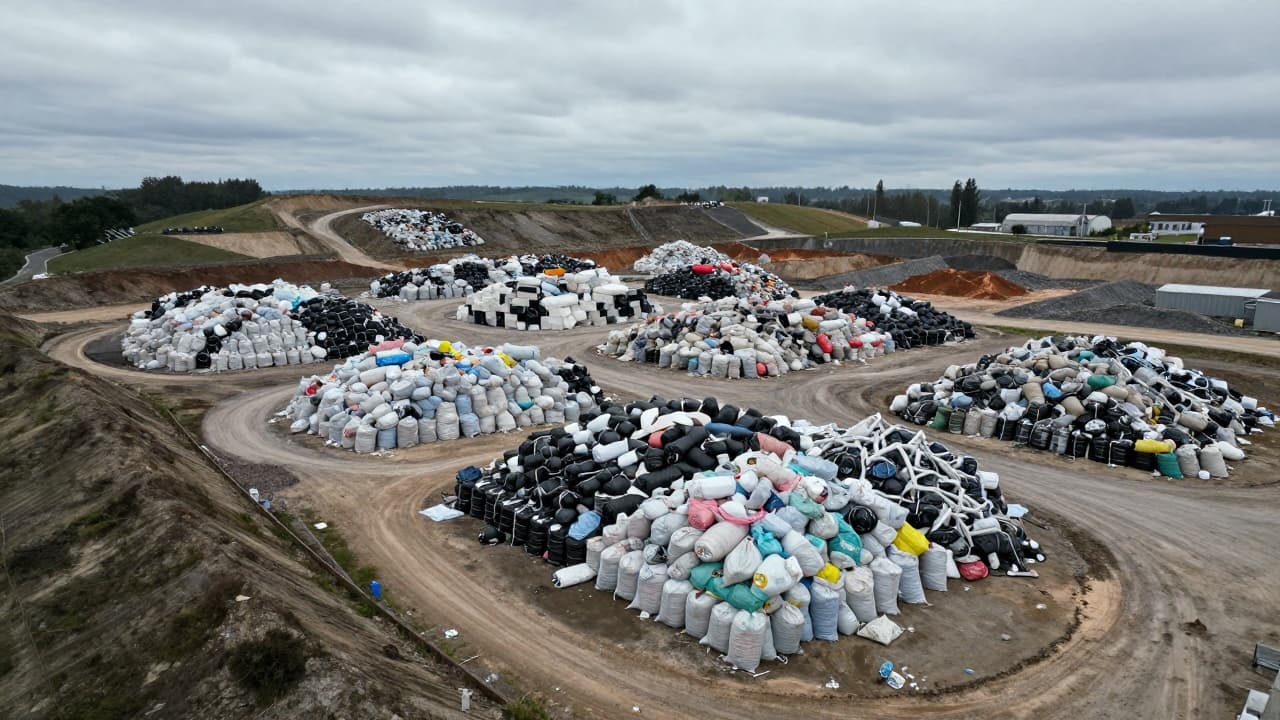
The quality of waste from the blue bins for paper and cardboard averages 17 percent contamination, with the level of impurities reaching up to 50 percent in certain areas. The situation is even more critical for mixed packaging from the yellow bins, where the contamination level stands at 81 percent. A significant portion of the material from the yellow bins is unsuitable for further recycling, and the impurities and unsuitable items cause damage to the plant and result in multi-day operational stoppages.
Financial results reflect these operational challenges. Total revenue for the sorting plant in 2025 was €741,796, including a contractual fee of €429,376, yet the year ended with a loss of €70,966. This loss was primarily due to the high costs of disposing of the waste separated during the sorting process. In the first half of 2026, revenue of €314,519 was recorded, which is lower than in the same period the previous year due to a drop in the prices of paper and cardboard.
The economic aspects of recycling further complicate operations. The prices for paper and cardboard range from €80 to €90 per ton, while glass is sold at a stable price of €20 per ton. Prices for plastic materials are very low and significantly below processing costs, with some plastic products even requiring payment for their collection. Consequently, sorting waste from the yellow bins is currently not economically viable.
The sorting plant is owned by the City of Rijeka, and decisions regarding investment in upgrades fall to the municipal administration. An assessment of the report is currently underway in the context of the management contract, after which the City will take further action. The project, initiated during the term of the previous mayor, Vojko Obersnel, saw a decision by the Environment Protection and Energy Efficiency Fund to recover at least €3.8 million in EU funds. The recovery of funds is the result of criminal offences committed during the project's implementation, for which a municipal official has been convicted.